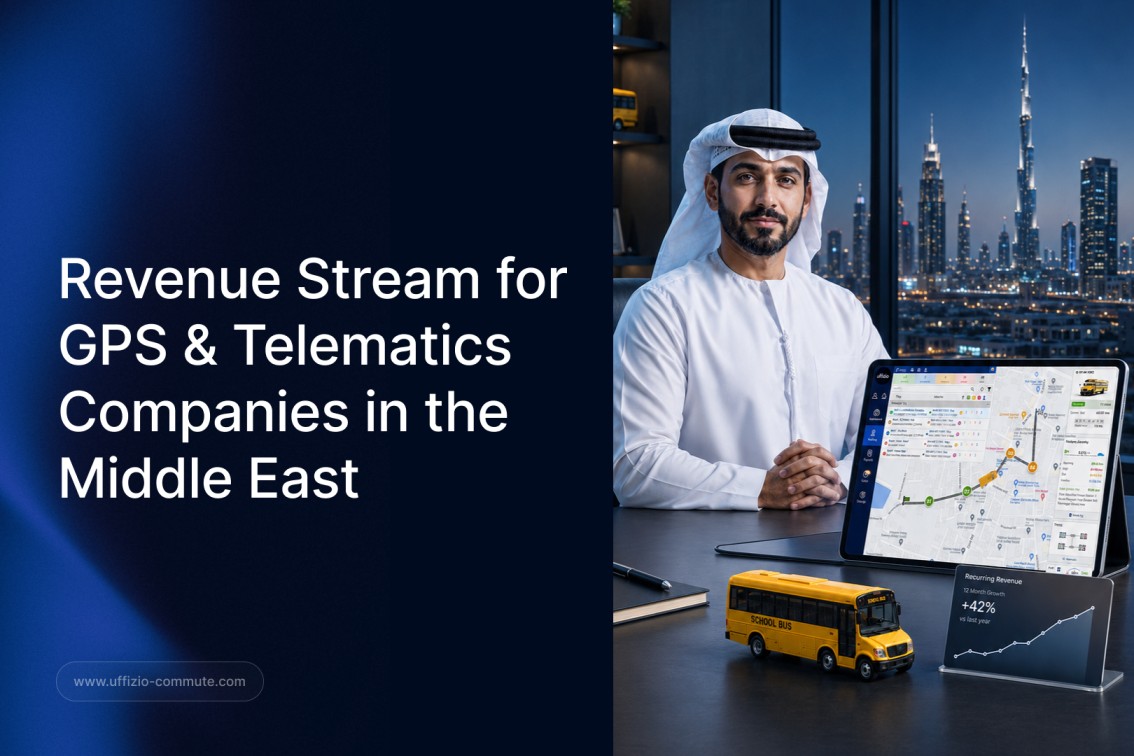
The GPS and telematics industry in the Middle East has grown rapidly over the past decade. Many solution providers have built successful businesses around vehicle tracking, fleet management, fuel monitoring, and driver behavior analysis. However, the market is becoming more competitive, and customers now expect solutions that go beyond basic vehicle tracking.
This shift presents a valuable opportunity. Instead of competing solely on GPS tracking software, telematics companies can expand into industry-specific solutions that generate recurring revenue and strengthen long-term customer relationships.
One of the most promising opportunities is School Transport Software.
Why the Middle East Is Ready for School Transport Technology
Across the Middle East, governments and private schools are placing greater emphasis on student safety, operational transparency, and digital transformation. Parents also expect real-time visibility into their children’s daily commute rather than relying on phone calls or manual updates.
Modern schools are looking for solutions that combine tracking, communication, attendance, and safety into a single platform. This demand is creating a growing market for technology partners that can deliver more than traditional GPS services.
For GPS and telematics companies, this is an opportunity to serve an entirely new customer segment using existing expertise.
Moving Beyond GPS Tracking Software
Many businesses already provide reliable GPS Tracking Software to commercial fleets. While location tracking remains essential, schools require a much broader transport management solution.
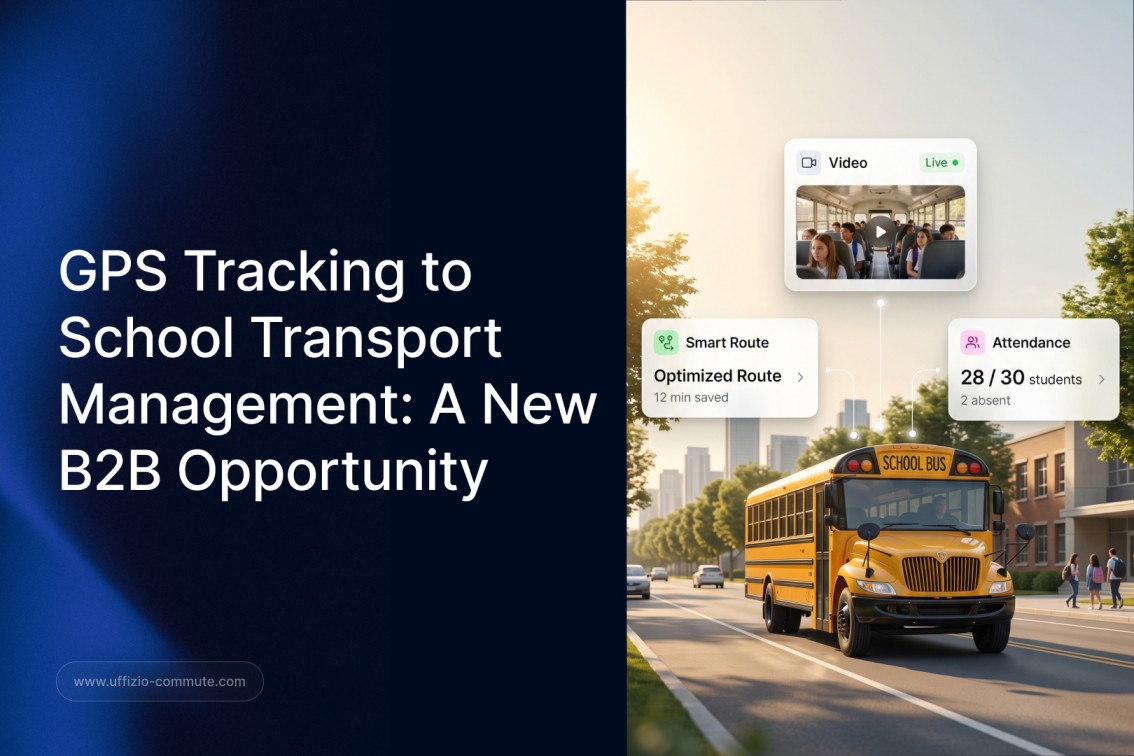
A complete school transport platform typically includes:
- Real-time school bus tracking
- Parent mobile application
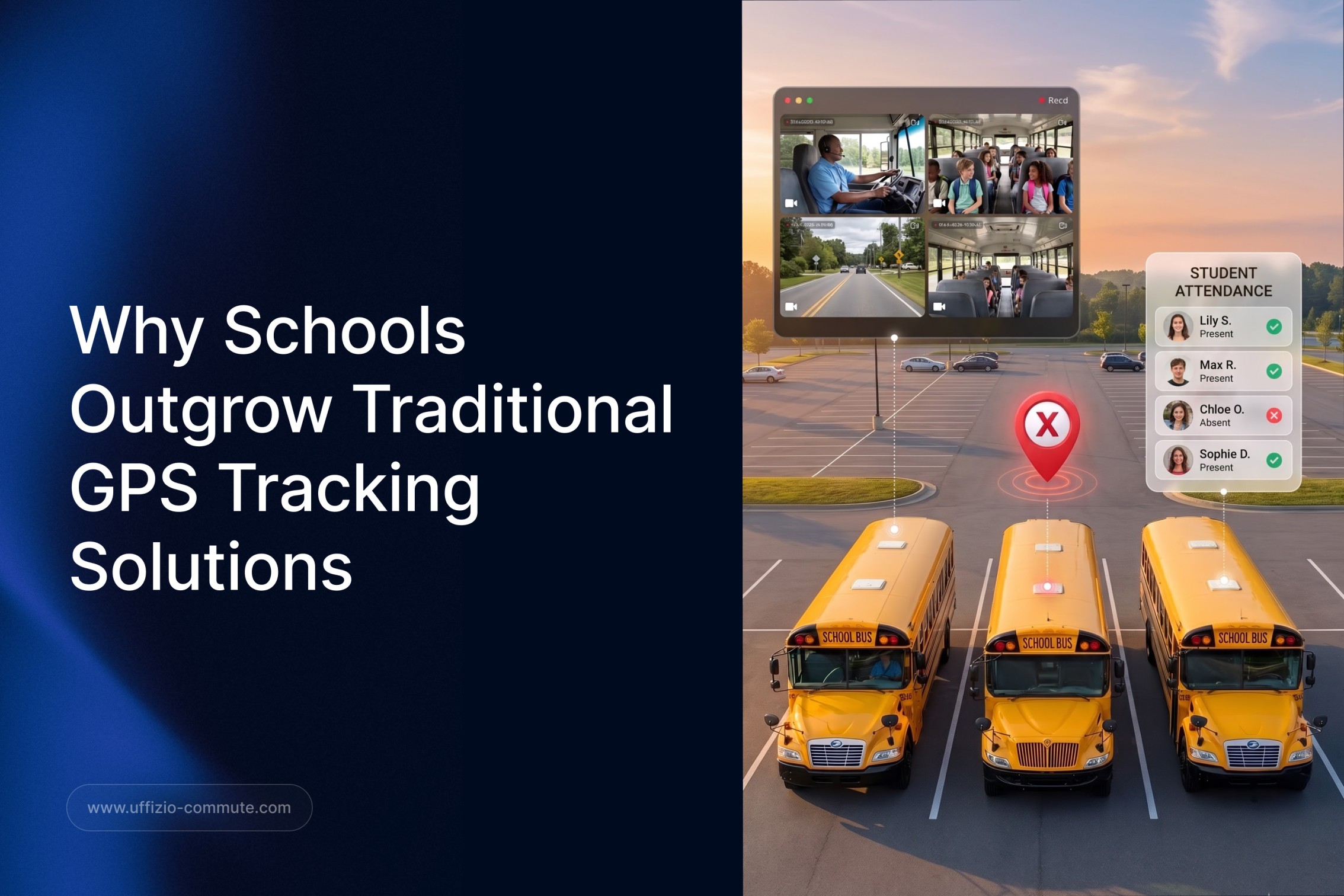
- Student attendance monitoring
- Pickup and drop notifications
- Driver and vehicle management
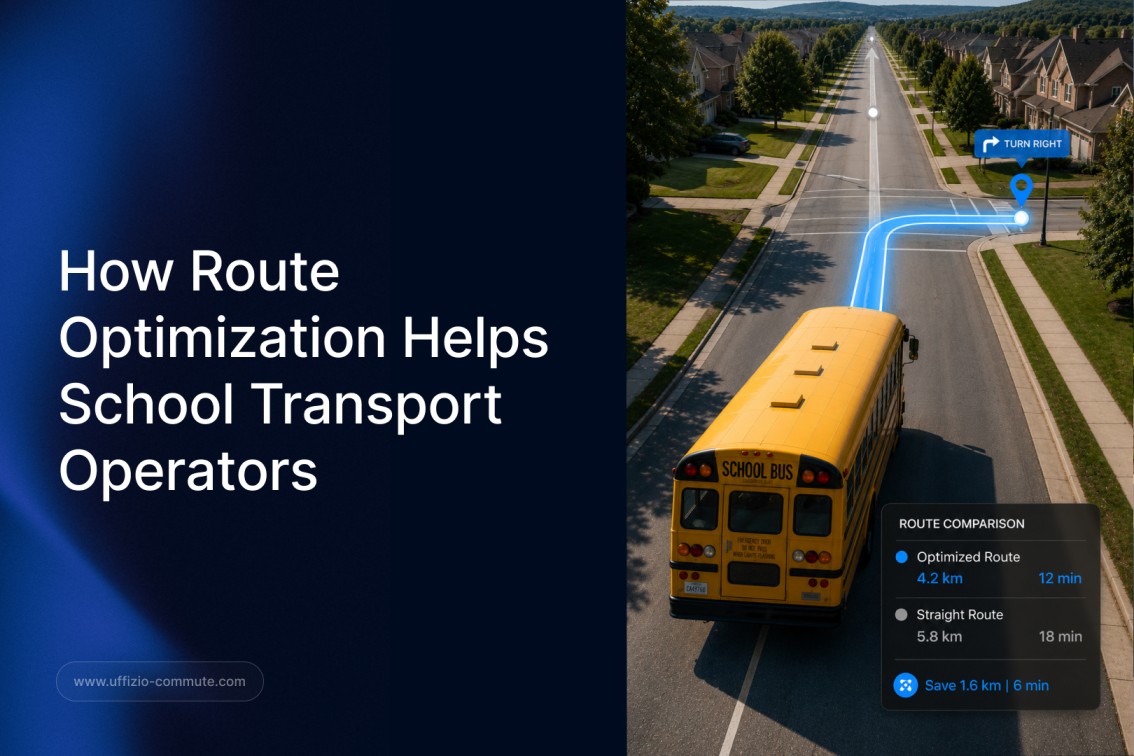
- Route planning and optimization
- Emergency alerts
- Transport performance reports
By offering these capabilities, telematics providers become technology partners rather than hardware vendors.
A Natural Extension of Existing Business
The transition into School Transport Software doesn’t require starting from scratch.
Most GPS companies already have:
- GPS hardware expertise
- Installation teams
- Customer support infrastructure
- Fleet management experience
- Dealer or reseller networks
Adding a specialized school transport solution allows them to leverage these existing strengths while entering a high-value market.
Instead of selling only tracking devices, companies can provide a complete software ecosystem that schools use every day.
Building Recurring Revenue
One of the biggest advantages of School Transport Software is its subscription-based business model.
Rather than depending mainly on hardware sales, companies can generate recurring monthly or annual software revenue through:
- Platform subscriptions
- Parent applications
- Administrator dashboards
- Driver applications
- Attendance modules
- Video surveillance integration
- Premium analytics and reporting
This creates predictable income while improving customer retention over time.
Meeting the Expectations of Modern Schools
Today’s schools expect technology that simplifies daily transport operations.
They want to reduce manual work while improving communication with parents and ensuring student safety.
A comprehensive transport platform helps schools by providing:
- Live vehicle visibility
- Automated arrival notifications
- Accurate student attendance records
- Faster incident response
- Route optimization
- Centralized transport management
These capabilities improve operational efficiency while delivering greater confidence to parents and school administrators alike.
White-Label Opportunities for Telematics Companies
Many GPS companies prefer expanding their portfolio without investing years in software development.
White-label School Transport Software makes this possible.
Instead of building an entirely new platform, partners can launch a proven solution under their own brand, allowing them to:
- Enter the education sector faster
- Offer a complete digital solution
- Increase software revenue
- Strengthen customer loyalty
- Differentiate themselves from competitors
This approach enables businesses to focus on sales, implementation, and customer relationships while delivering enterprise-grade functionality.
Why Timing Matters
Digital transformation across the Middle East continues to accelerate, and educational institutions are investing in smarter transportation systems. Parents expect greater transparency, while schools seek solutions that improve safety, compliance, and operational efficiency. Recent platform enhancements for GCC-focused school transport, including regulatory timing controls and intelligent route management, reflect these evolving regional requirements.
For GPS and telematics companies, waiting too long may allow competitors to establish strong relationships with schools and transport operators.
Early adopters have the opportunity to position themselves as trusted technology partners before the market becomes more saturated.

Conclusion
The future of telematics is no longer limited to tracking vehicles. Customers increasingly value complete operational solutions that solve industry-specific challenges.
For GPS & Telematics Companies in the Middle East, School Transport Software represents a practical and scalable way to expand beyond traditional GPS Tracking Software. It creates new recurring revenue opportunities, strengthens customer relationships, and opens the door to a growing education technology market.