The telematics industry has evolved significantly over the years. GPS tracking has become a standard offering for businesses that want to monitor vehicles, track routes, and improve fleet visibility. For telematics providers, offering reliable GPS Tracking Software remains important. However, as more companies offer similar tracking capabilities, standing out in a competitive market has become increasingly challenging.
Customers are no longer interested only in knowing where their vehicles are. They also want solutions that help them manage daily operations, improve communication, reduce manual work, and make better use of their fleet data.
This creates an opportunity for telematics providers to expand into specialized industries such as school transportation.
By offering complete school transport solutions, providers can move beyond basic tracking and deliver more value to schools, school bus operators, and transport contractors. For businesses operating in Ghana, Nigeria, Tanzania, Kenya, and Indonesia, this approach can open new opportunities to serve a specific market with more relevant technology.
Why Basic GPS Tracking Is No Longer Enough
GPS tracking solves a fundamental problem: vehicle visibility.
With GPS Tracking Software, customers can monitor vehicle locations, review journeys, and understand how their fleets are operating. These capabilities remain essential for fleet management.
However, school transportation involves several responsibilities that go beyond tracking a vehicle.
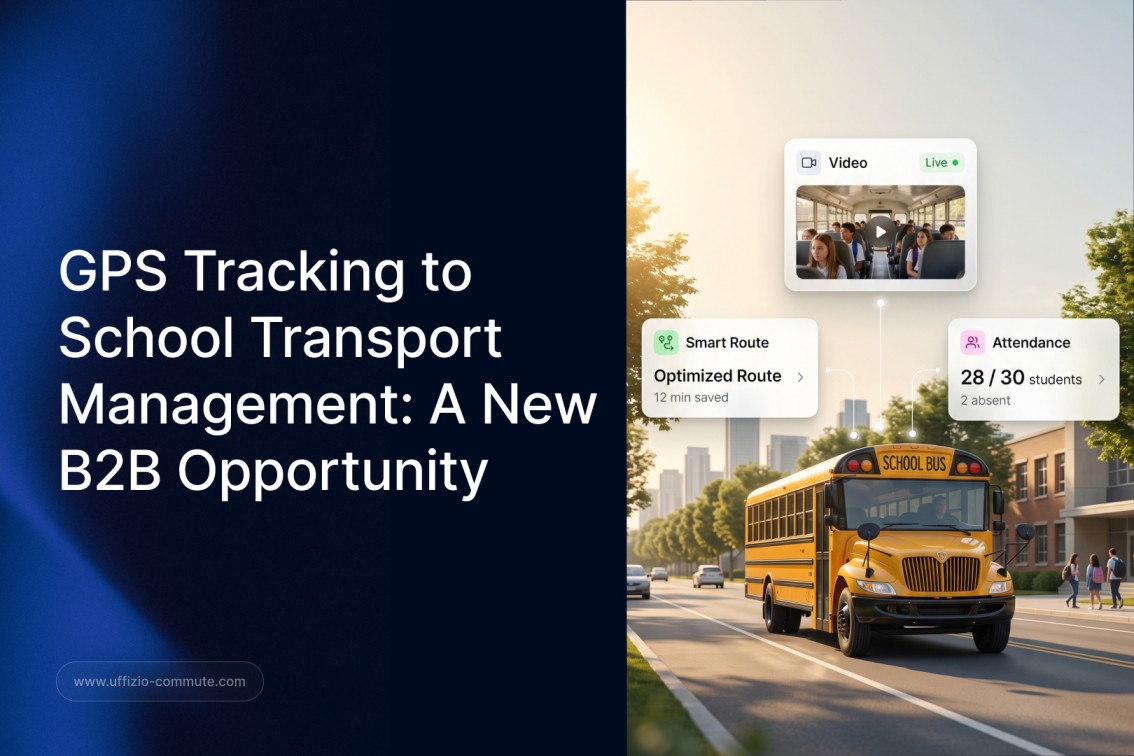
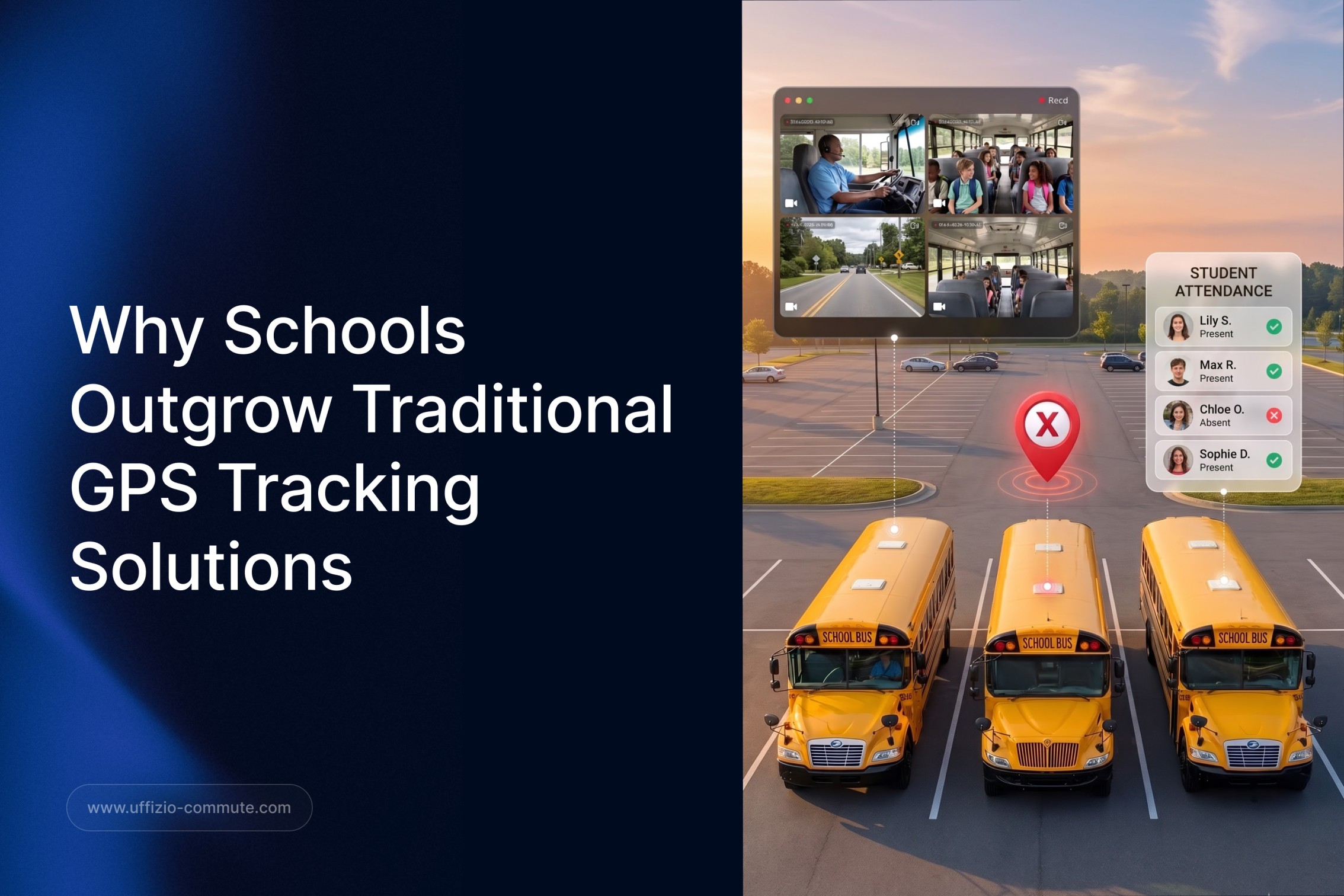
Schools and transport operators may need to manage student attendance, pickup and drop-off points, driver assignments, parent communication, route schedules, and daily trip records.
A basic GPS tracking platform may not address all these requirements within a single system.
As a result, customers may have to depend on separate applications, spreadsheets, phone calls, and manual processes to manage their operations.
For telematics providers, this creates an opportunity to offer a more complete solution rather than competing only on tracking features and subscription prices.
School Transport Is a Specialized Market
School transportation has requirements that differ from those of many other fleet operations.
A commercial delivery company primarily focuses on vehicle movement, delivery schedules, and fleet utilization. School transport operators must also coordinate students, parents, schools, drivers, and transportation schedules.
Consider a typical school bus journey.
The transport team needs to know whether the bus has started its trip, whether it is following the planned route, and whether it is approaching the scheduled pickup points. Parents may want timely updates, while schools need visibility into student attendance and trip progress.
Managing these activities through disconnected systems can increase administrative work.
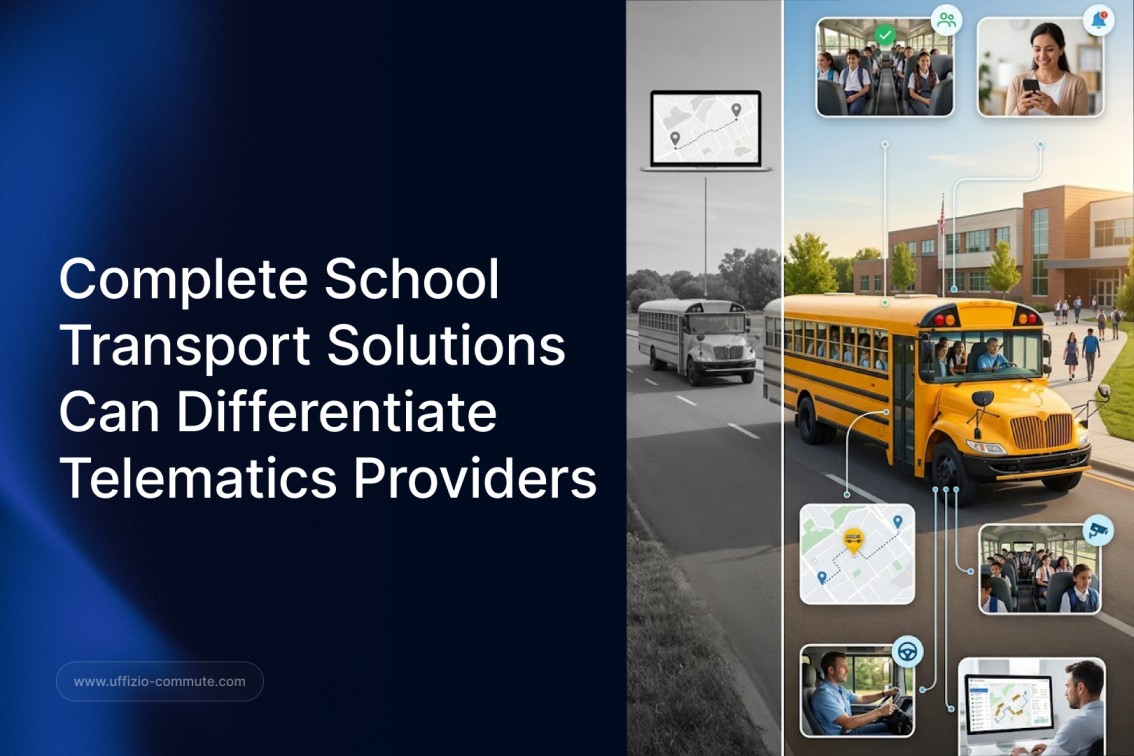
School Transport Management brings these operational requirements together, helping providers offer a solution designed around the actual needs of school transportation.
This industry-specific approach can help telematics companies differentiate themselves from providers offering only general-purpose tracking.
How Complete School Transport Solutions Create a Competitive Advantage
1. Offer More Value Than Vehicle Tracking
When several providers offer similar GPS tracking capabilities, customers may compare them mainly on price.
A complete school transport solution changes the conversation.
Instead of selling only vehicle visibility, providers can offer capabilities such as route management, attendance monitoring, trip coordination, notifications, and reporting.
These features address broader operational challenges and give customers more reasons to choose a specialized platform.
For telematics providers, the advantage comes from solving more of the customer’s daily problems rather than simply providing another tracking interface.
2. Make Live School Bus Tracking More Useful
Live School Bus Tracking is one of the most recognizable features of a school transport platform.
It allows authorized users to monitor bus locations in real time and understand how journeys are progressing.
However, real-time tracking becomes more valuable when it is connected with other transport processes.
For example, parents may benefit from timely updates about an approaching bus, while transport managers can monitor route progress and identify unexpected delays.
When live tracking works alongside route information, trip records, and communication tools, it becomes part of a broader transport management experience.
Telematics providers can use this combination to position their offering as a complete school transport solution rather than a standalone GPS product.
3. Improve Parent and School Communication
Communication is an important part of school transportation.
Parents often contact schools when they do not know where a bus is or whether a delay has occurred. Transport teams may spend considerable time responding to these questions, particularly when managing multiple routes.
A complete school transport platform can help reduce this communication gap through timely notifications and better access to journey information.
For telematics providers, these capabilities create an opportunity to serve not only transport managers but also the schools and parents who depend on reliable information.
This broader value proposition can help build stronger customer relationships.
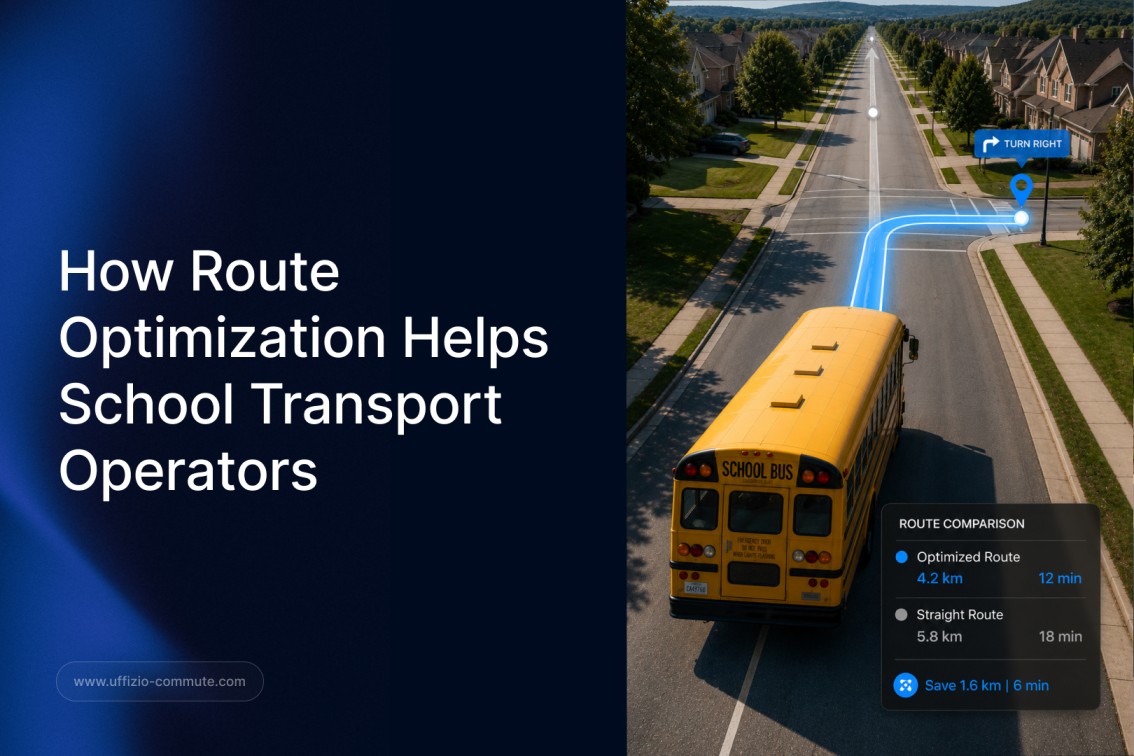
4. Help Operators Manage Routes and Daily Trips
As school fleets expand, route planning and daily coordination can become more difficult.
Operators may manage several schools, multiple routes, different pickup locations, and numerous drivers. Manual processes can make it harder to maintain consistency across the fleet.
School Transport Management software can help centralize route information, trip schedules, and vehicle assignments.
When integrated with GPS Tracking Software, it can also provide visibility into how vehicles perform during actual journeys.
This helps telematics providers address practical operational needs that basic tracking alone may not cover.
5. Support Better Reporting and Decision-Making
Vehicle tracking generates useful operational data, but customers need practical ways to interpret it.
A complete school transport solution can bring together information about vehicle movement, trip history, routes, and daily operations.
Depending on the platform’s capabilities, transport managers can use this information to review recurring delays, evaluate route performance, and identify areas where processes may need improvement.
For telematics providers, reporting and analytics can become important differentiators because they help customers move from simply collecting data to using it in operational decisions.
Why This Opportunity Matters in Ghana, Nigeria, Tanzania, Kenya, and Indonesia
School transport requirements vary across regions, school networks, and individual operators. Nevertheless, technology providers can explore opportunities wherever schools and transport businesses need better visibility and coordination.
In Ghana and Nigeria, telematics providers can explore school transport offerings for private schools, school bus operators, and transport contractors seeking more structured fleet management.
In Kenya and Tanzania, providers can assess opportunities to help schools and transport businesses improve vehicle visibility, route coordination, and communication.
In Indonesia, providers can explore school transport solutions for operators managing multiple vehicles, routes, and school transportation requirements.
These markets should not be treated as identical. Customer expectations, connectivity, purchasing priorities, and operating models can differ considerably.
For telematics businesses, the practical approach is to understand local customer needs and build an offering that addresses those requirements.
A solution that combines GPS Tracking Software, Live School Bus Tracking, and School Transport Management can provide a starting point for these conversations.
White-Label Solutions Can Accelerate Market Expansion
Developing a complete school transport platform internally can require considerable investment in software development, testing, maintenance, and ongoing feature improvements.
For telematics providers that want to enter this market, a white-label solution can be an alternative worth evaluating.
Depending on the provider and integration requirements, white-label software may allow a business to offer an established platform under its own brand.
This can help telematics companies focus on their existing strengths, including:
- Building relationships with local customers
- Expanding reseller and distribution networks
- Providing GPS devices and installation services
- Managing customer support
- Developing regional partnerships
- Generating demand in the school transport market
Before selecting a white-label platform, providers should assess its features, device compatibility, integration options, customization flexibility, scalability, and commercial terms.
The objective is to choose a solution that fits their business model and customers’ requirements.
How to Position a Complete School Transport Solution
Introducing a new product category requires more than adding features to a website.
Telematics providers should communicate the business problems their solution addresses.
Instead of focusing the entire sales conversation on vehicle locations, they can explain how the platform supports daily school transport operations.
For example, the solution can be positioned around:
Operational visibility: Help transport teams monitor buses and review trip progress.
Route management: Support better organization of routes, stops, and vehicle assignments.
Parent communication: Provide timely transport information through available notification and application features.
Student transport coordination: Help schools manage relevant student and attendance information.
Reporting and insights: Make transport information easier to review and use.
The exact capabilities will depend on the selected platform, but the positioning should remain clear: the product helps customers manage school transportation more effectively.
What Telematics Providers Should Evaluate Before Expanding
Before entering the school transport segment, providers should consider a few important factors.
Product completeness: Does the platform support the essential workflows required by schools and transport operators?
Hardware compatibility: Can it work with the GPS devices already used by the provider and its customers?
Ease of use: Can transport managers, drivers, and parents access the information relevant to them?
Scalability: Can the solution support customers as their fleets and operational requirements grow?
Regional suitability: Does the platform support the connectivity, language, implementation, and support requirements of the target market?
Commercial flexibility: Can the provider offer the solution in a way that fits its pricing, branding, and distribution model?
Evaluating these factors can help businesses choose an offering that creates long-term value rather than simply adding another product to their portfolio.

Conclusion
The telematics market offers opportunities beyond traditional vehicle tracking. As customers look for more specialized solutions, providers can differentiate themselves by addressing the operational needs of particular industries.
By combining GPS Tracking Software with Live School Bus Tracking and broader School Transport Management capabilities, telematics providers can offer more than vehicle visibility. They can help schools and transport operators coordinate routes, monitor journeys, improve communication, and manage daily operations through a more connected platform.
For providers targeting Ghana, Nigeria, Tanzania, Kenya, and Indonesia, success will depend on understanding local requirements and offering technology that solves real operational problems.
For telematics providers looking to expand their product portfolios, this shift can create a stronger market position, new partnership opportunities, and a more differentiated offering.