Every school wants its transportation system to be safe, reliable, and efficient. Parents expect real-time updates, school administrators want complete operational visibility, and transport managers need to ensure that every student reaches school and returns home safely. However, as student numbers and fleet sizes continue to grow, managing daily School Transport Operations becomes increasingly challenging.
Across Asia, ANZ, GCC, and Africa, schools are facing the same operational problem: they need to handle more buses, more students, and more routes without increasing administrative complexity or costs. Manual processes that once worked for a small fleet are no longer enough.
The solution isn’t hiring more transport coordinators, it’s adopting a smarter way to manage operations with School Transport Software and modern transport management software.
Understanding the Biggest Operational Challenge
The biggest challenge in School Transport Operations isn’t tracking buses alone. It’s managing hundreds of moving parts simultaneously.
Every day, transport teams must:
- Assign buses and drivers
- Monitor multiple routes
- Ensure students board the correct vehicle
- Handle traffic delays
- Respond to parent inquiries
- Manage attendance records
- Generate reports
- Coordinate with drivers during emergencies
When these tasks are handled manually through spreadsheets, phone calls, or messaging apps, errors become unavoidable. As the fleet grows, so does the workload.
Instead of focusing on improving operations, transport teams spend most of their day solving avoidable problems.
Why Manual School Transport Operations Create Bottlenecks
Many schools still rely on traditional methods to manage transportation. While these methods may work initially, they quickly become inefficient as operations expand.
Common operational challenges include:
Limited Visibility
Without a centralized system, administrators don’t have real-time visibility into bus locations or route progress. This makes it difficult to respond quickly to delays or unexpected situations.
High Volume of Parent Calls
One delayed bus can result in dozens of phone calls from concerned parents. Staff members spend valuable time answering repetitive questions instead of managing operations.
Manual Attendance Tracking
Paper-based attendance records are time-consuming and increase the risk of errors. Missing or incorrect records can also create safety concerns.
Inefficient Route Planning
Poor route planning leads to longer travel times, higher fuel consumption, unnecessary mileage, and increased operational costs.
Communication Gaps
Coordinating between drivers, transport managers, and parents through multiple communication channels often causes delays and misunderstandings.
These challenges directly impact the efficiency of School Transport Operations and reduce the overall experience for parents and students.
How School Transport Software Solves These Challenges
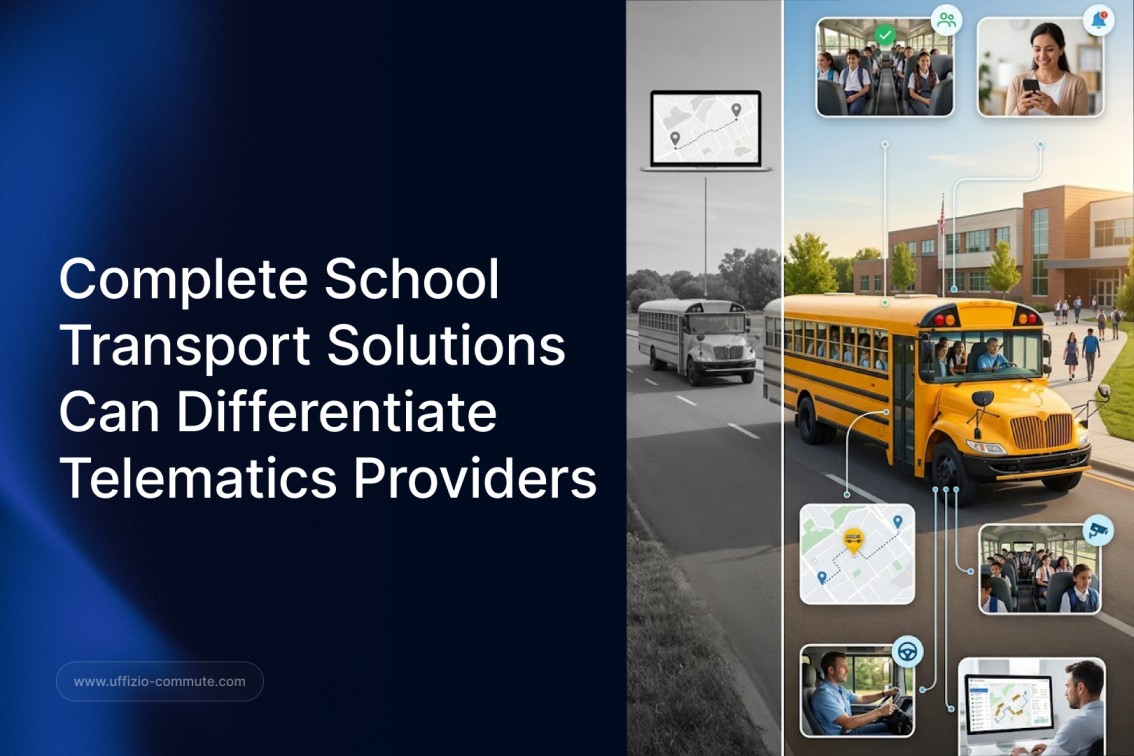
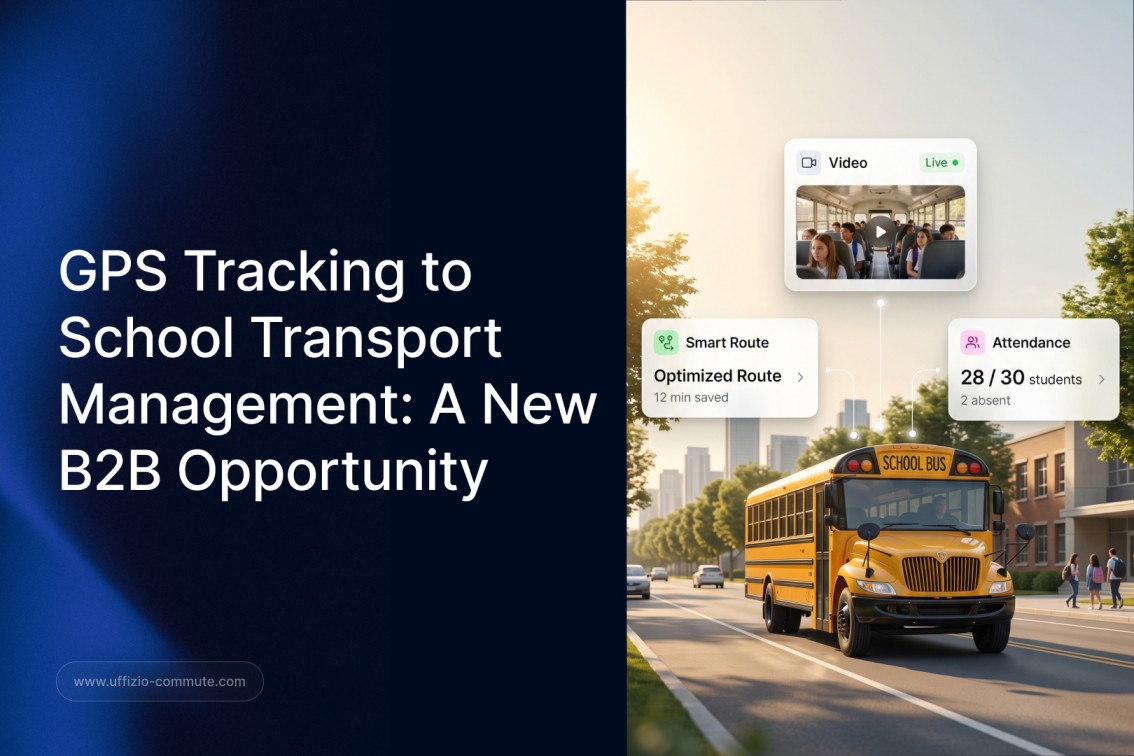
Modern School Transport Software is designed to automate routine tasks and provide complete visibility over daily transport activities.
Instead of managing transportation manually, schools can monitor and control every aspect of their fleet from a single platform.
Real-Time Fleet Monitoring
Administrators can monitor every vehicle in real time, identify delays instantly, and ensure buses follow assigned routes.
This level of visibility allows transport teams to respond proactively instead of reacting after problems occur.
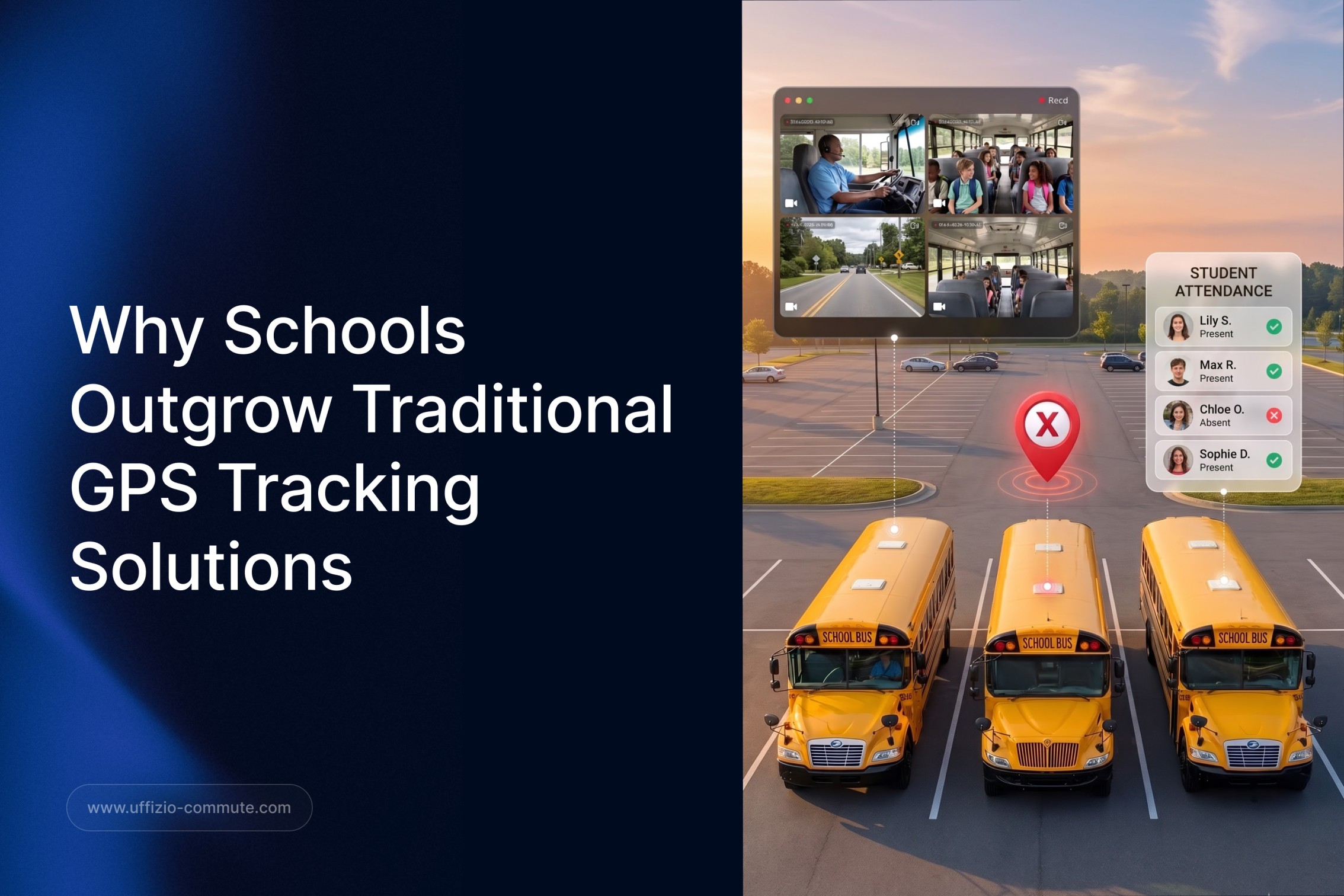
Automated Student Attendance
Digital attendance records automatically capture student boarding and drop-off events.
This improves student safety while eliminating manual paperwork.
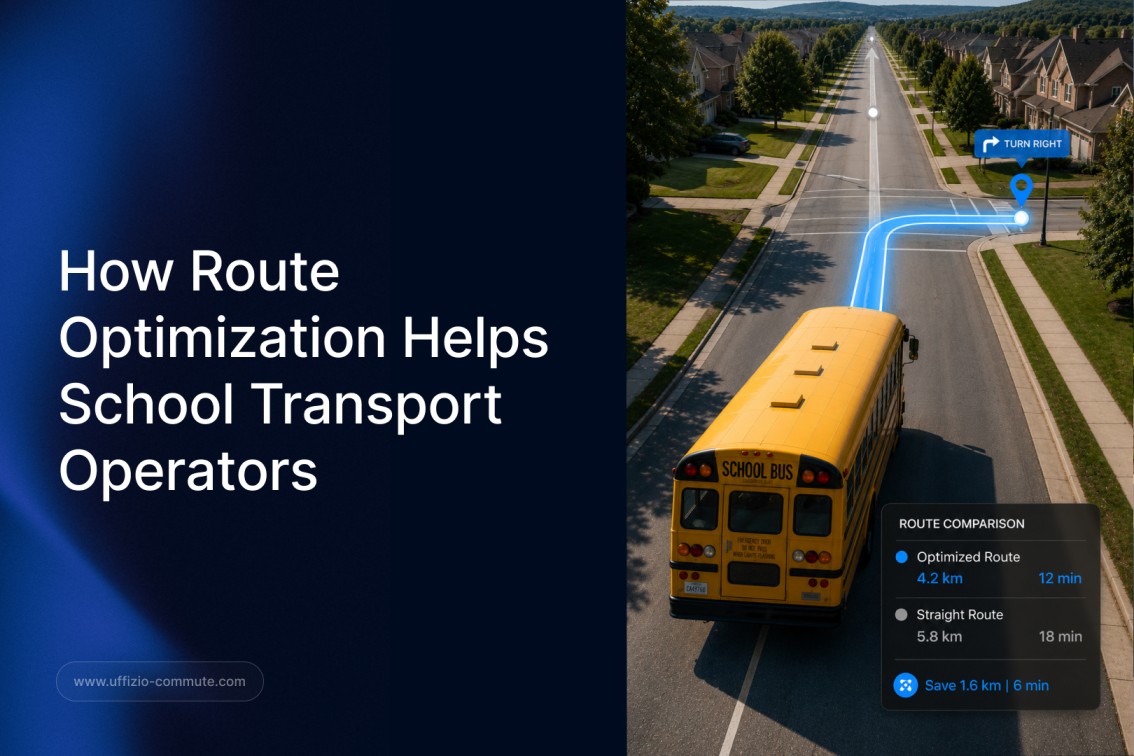
Intelligent Route Optimization
Modern transport management software analyzes routes to improve efficiency, reduce unnecessary travel, and optimize fleet utilization.
Better routes mean lower fuel costs and improved on-time performance.
Instant Parent Communication
Instead of relying on phone calls, parents receive automatic notifications about:
- Bus arrival times
- Boarding confirmation
- Drop-off confirmation
- Route delays
- Emergency alerts
This significantly reduces the workload on transport coordinators while improving parent satisfaction.
Centralized Reporting
Comprehensive dashboards provide insights into:
- Fleet utilization
- Driver performance
- Attendance trends
- Route efficiency
- Trip history
- Operational performance
These reports help schools continuously improve School Transport Operations using accurate, real-time data.
Why Schools Across Asia, ANZ, GCC, and Africa Are Adopting Digital Transport Solutions
Although transportation environments differ from one region to another, schools everywhere face similar expectations: safer journeys, better communication, and greater operational efficiency.
Asia
Growing urban populations and increasing student enrollment require schools to manage larger fleets with limited administrative resources. School Transport Software helps schools automate operations and improve efficiency without adding more staff.
ANZ
Schools in Australia and New Zealand emphasize compliance, transparency, and student safety. Modern transport management software provides accurate reporting and real-time visibility, making transport operations easier to manage.
GCC
Parents expect premium transportation services and instant communication. Schools across the GCC are adopting School Transport Software to provide real-time updates, improve safety, and deliver a better parent experience.
Africa
As educational institutions expand transportation services to reach more communities, digital solutions help schools scale School Transport Operations while keeping operational costs under control.
The Long-Term Benefits of Digital School Transport Management
Investing in modern School Transport Software delivers measurable benefits beyond vehicle tracking.
Schools can:
- Improve student safety
- Reduce operational costs
- Minimize manual work
- Increase fleet productivity
- Strengthen communication with parents
- Improve route efficiency
- Generate accurate operational reports
- Make faster, data-driven decisions
Most importantly, transport teams can focus on improving service quality instead of handling repetitive administrative tasks.
Preparing School Transport Operations for the Future
School transportation is evolving rapidly. Parents expect transparency, school administrators demand operational efficiency, and transport managers need tools that simplify complex daily processes.
Schools that continue relying on manual coordination may struggle to meet these expectations as their operations grow.
By implementing modern transport management software, educational institutions can automate routine tasks, improve decision-making, and create a scalable transportation system that supports future growth.

Conclusion
The biggest operational challenge in school transportation isn’t simply managing buses, it’s managing growing complexity with limited resources.
Manual processes, disconnected communication, and outdated systems create inefficiencies that affect administrators, drivers, parents, and students alike.
Modern School Transport Software offers a smarter approach by automating daily workflows, improving visibility, optimizing routes, and enhancing communication. Combined with powerful transport management software, schools can streamline School Transport Operations, reduce costs, improve student safety, and confidently scale their transportation services across Asia, ANZ, GCC, and Africa.