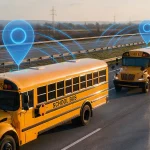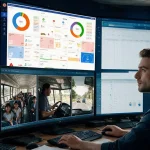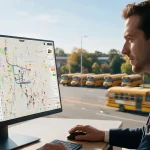
Managing multiple school buses, routes, and daily trips can create high operational costs for school transport operators. Inefficient routes, unnecessary mileage, fuel consumption, delays, and manual coordination can reduce fleet efficiency. Route management software helps operators plan better routes, monitor trips in real time, and identify operational inefficiencies.
SmartBUS connects Admin/Manager, Driver, and Parent Apps to streamline route planning, trip execution, and communication, helping school transport operators improve fleet utilization, reduce avoidable costs, and manage daily transportation more efficiently.
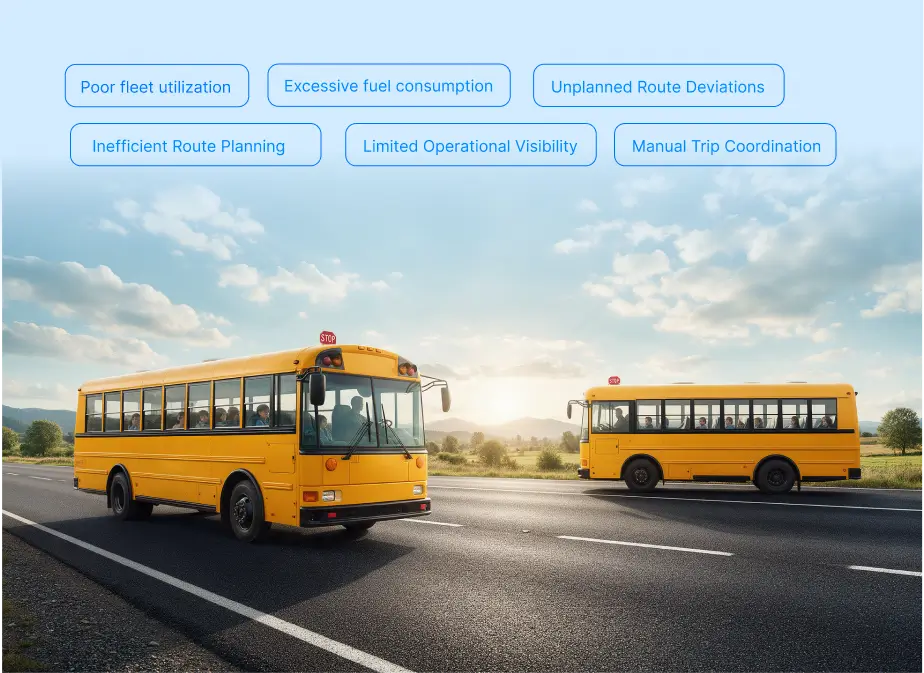
Poorly planned routes can increase travel distance, fuel consumption, and vehicle operating costs.
Unnecessary mileage and inefficient trips can increase fuel expenses across the school bus fleet.
Operators may struggle to optimize buses, routes, and trips across multiple schools and schedules.
Manual coordination between managers and drivers can increase operational workload and delays.
Unexpected route changes can increase travel time, mileage, and overall trip costs.
Without real-time monitoring, operators may struggle to identify costly transport inefficiencies.
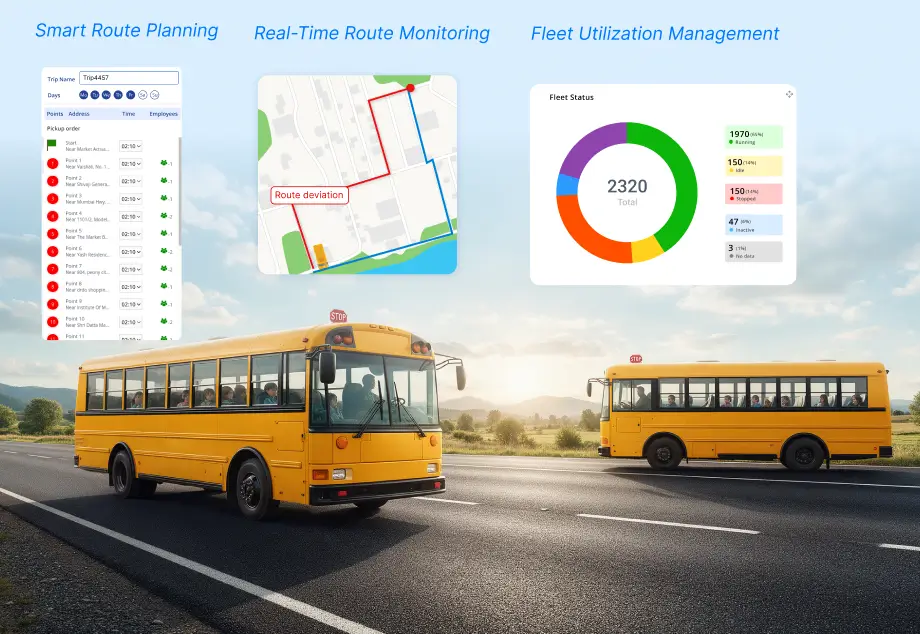
Plan and manage optimized bus routes to reduce unnecessary distance and travel time.
Monitor active buses and identify route deviations that can increase operational costs.
Manage buses, routes, and trips efficiently to improve overall fleet utilization.
Review completed trips and identify mileage, delays, and operational inefficiencies.
Manage routes, vehicles, drivers, and daily operations from a single platform.
Drivers can access their assigned routes and trip details directly from the mobile app.
Follow planned routes efficiently to minimize unnecessary travel and route deviations.
Keep managers updated on trip progress for better operational coordination.
Record boarding and drop-off activity digitally without relying on manual processes.
Access essential trip information in one app to reduce delays and operational workload.
Parents can track the bus location in real time and stay informed about its progress.
Parents can monitor bus movement and better understand expected pickup or drop-off timing.
Receive timely updates about bus movement, arrival, and important trip events.
Parents can stay informed about their child’s transportation journey without calling staff.
Self-service trip visibility reduces repetitive transport-status queries to school teams.
Loading...