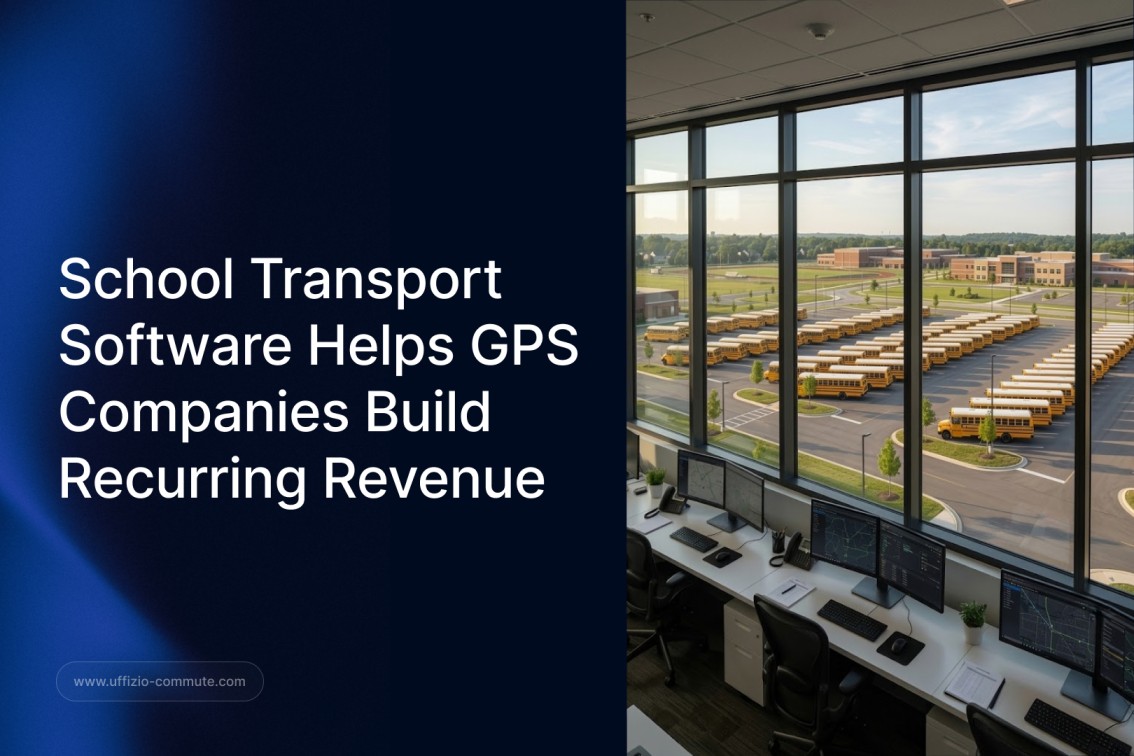
For many GPS companies, recurring revenue starts with vehicle tracking subscriptions. Customers pay to monitor vehicle locations, review trips, and access fleet information. This model creates a foundation for long-term business relationships.
However, as the GPS tracking market becomes more competitive, providers may find it difficult to differentiate their offerings through vehicle tracking alone. Customers may compare similar features, negotiate prices, or look for solutions that address more of their daily operational challenges.
This creates an opportunity for GPS companies to expand beyond basic tracking.
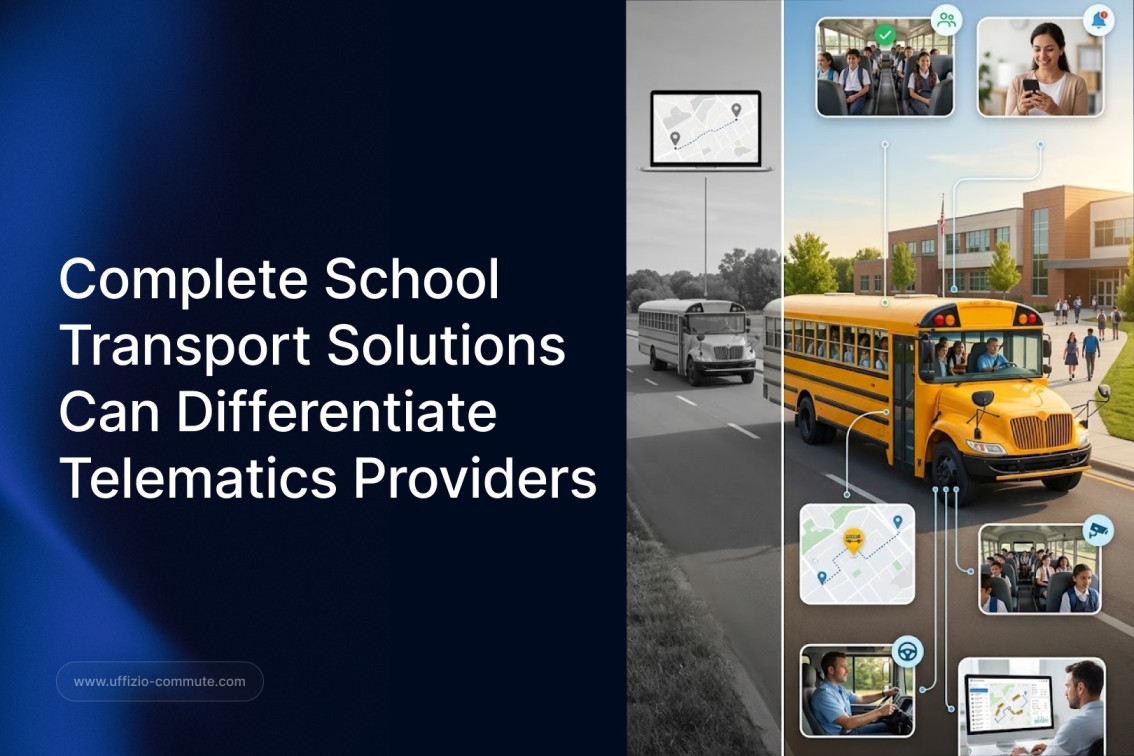
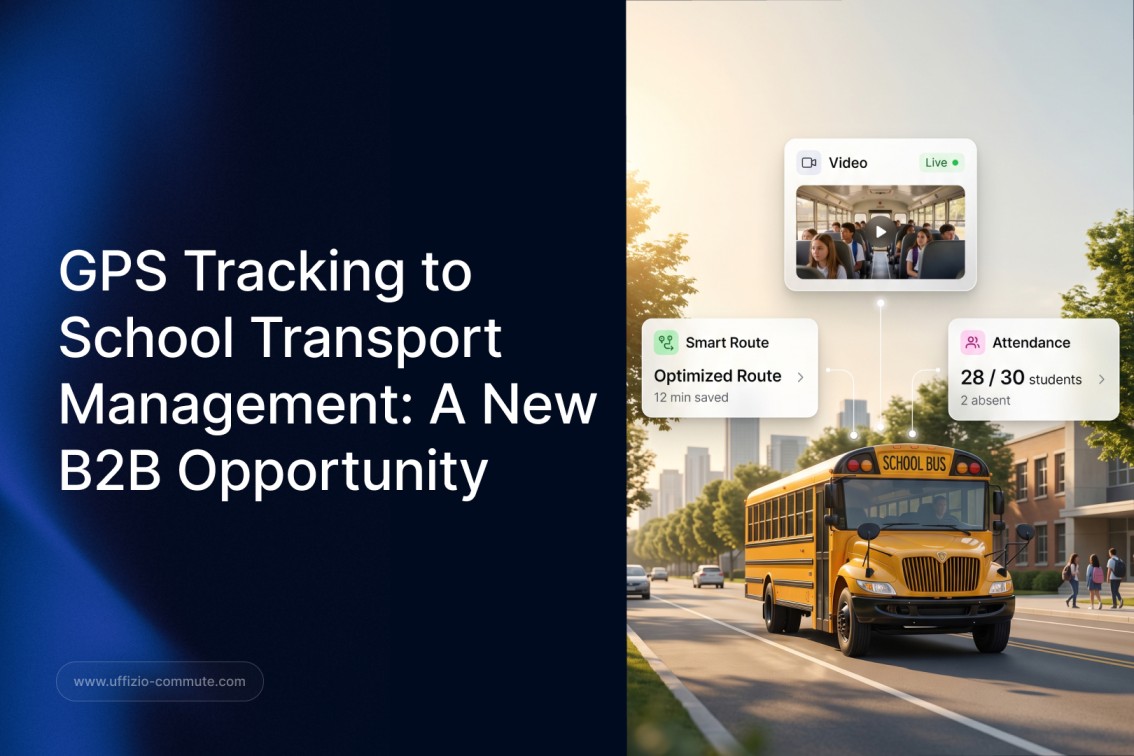
By offering School Transport Management capabilities, GPS providers can target a specialized market with requirements that go beyond vehicle location. Features such as student attendance, route management, parent communication, trip monitoring, and reporting can help providers deliver additional value through their existing technology ecosystem.
For GPS companies operating in Ghana, Nigeria, Tanzania, Kenya, and Indonesia, school transport software can be a potential way to expand their product portfolio and develop new recurring revenue opportunities.
Why GPS Tracking Alone May Limit Revenue Growth
GPS Tracking Software remains an essential tool for fleet visibility. It helps businesses monitor vehicles, review journeys, and understand where their assets are operating.
But when several providers offer similar tracking capabilities, competing only on price can become challenging.
School transport customers have requirements that extend beyond vehicle monitoring. Schools and transport operators also need to coordinate students, drivers, routes, pickup points, schedules, and communication with parents.
If a GPS provider offers only basic tracking, it may miss opportunities to address these additional needs.
For example, a school may already know where its buses are but still manage student attendance manually. Transport coordinators may rely on phone calls to update parents, while route information and trip reports remain scattered across different systems.
These gaps create an opportunity to introduce a more complete solution.
Instead of selling only GPS Tracking Software, providers can offer specialized School Transport Management capabilities that address a broader set of customer requirements.
How School Transport Software Creates New Revenue Opportunities
1. Expand Beyond Basic Tracking Subscriptions
The first opportunity is to offer more value to existing customers.
A GPS provider may already have relationships with fleet operators, schools, transport contractors, or businesses managing school vehicles.
These customers may benefit from additional features such as:
- Live School Bus Tracking
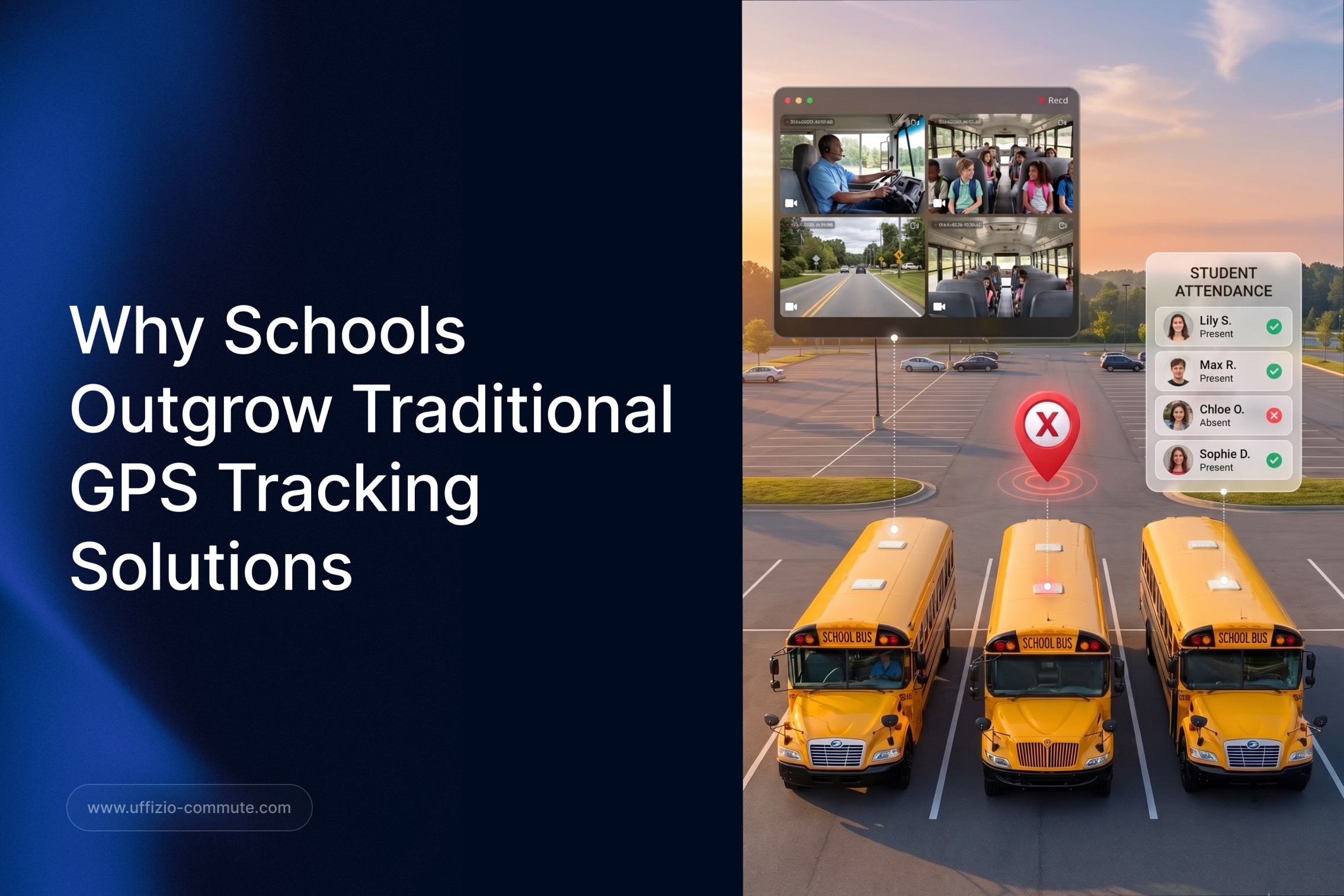
- Student attendance management
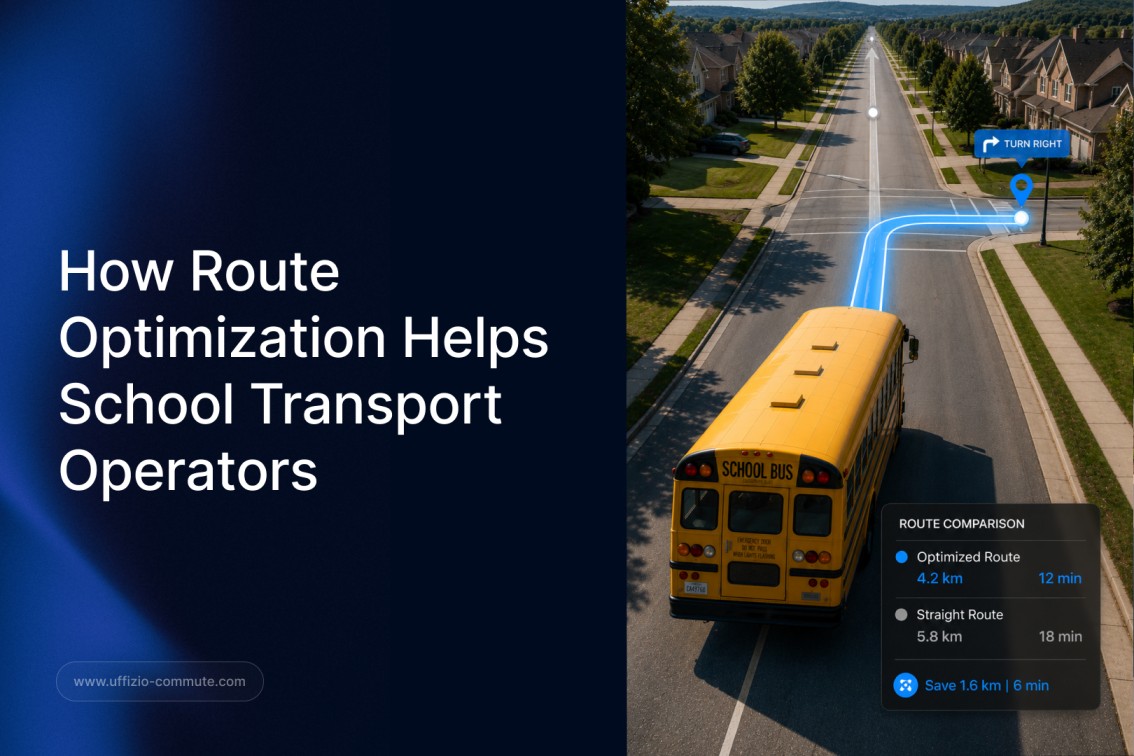
- Route and trip management
- Parent notifications
- Driver monitoring
- Transport reports and dashboards
- Historical trip information
By introducing relevant capabilities, providers can create opportunities for additional subscription packages.
The objective is not simply to increase the number of features being sold. It is to solve more of the customer’s operational problems through a connected platform.
2. Build Recurring Revenue Through Specialized Solutions
A general GPS platform serves a broad range of industries. A school transport solution addresses the specific requirements of school transportation.
This distinction can help providers create specialized offerings for different customer segments.
For example, a GPS company could offer a basic tracking package for general fleet customers and a school transport package with additional student, route, and communication features.
Depending on the business model, these packages could be priced according to vehicles, users, modules, or service levels.
A recurring subscription model can help providers generate predictable revenue when customers continue using and renewing the service.
The pricing structure should reflect the value delivered, implementation costs, support requirements, and the needs of the target market.
3. Improve Customer Retention by Delivering More Value
Recurring revenue depends on more than acquiring customers. Providers must also give customers reasons to continue using their solutions.
When a school relies on a platform for vehicle visibility, trip coordination, attendance, and communication, the solution becomes more closely connected to its daily operations.
This can strengthen the customer relationship by making the platform useful across multiple workflows.
For example, Live School Bus Tracking helps transport teams monitor vehicles in real time. When combined with route information and trip management, it can provide a clearer picture of daily transport operations.
The more effectively a solution addresses genuine customer needs, the stronger the opportunity to build a long-term business relationship.
However, retention still depends on reliable service, product usability, customer support, and consistent value.
Why Live School Bus Tracking Is an Important Starting Point
Live School Bus Tracking provides a natural entry point for GPS companies expanding into school transportation.
Most GPS providers already understand real-time vehicle location, tracking devices, and fleet monitoring.
These capabilities can support school-specific use cases without requiring providers to abandon their existing expertise.
For schools, live tracking can help transport teams monitor bus movement and provide parents with better journey visibility.
When connected with additional school transport functions, it can support a more comprehensive experience.
For example, a school transport operator may use live tracking to monitor a bus, review its route, and coordinate a trip. The same platform may also help the operator manage student information, attendance records, and transport reports.
This creates a broader product proposition around the provider’s existing GPS capabilities.
The B2B Opportunity in Ghana, Nigeria, Tanzania, Kenya, and Indonesia
These markets contain different school systems, transport arrangements, infrastructure conditions, and technology requirements. Therefore, GPS providers should avoid assuming that one product or sales approach will work equally well everywhere.
However, school transportation can be a relevant market segment for providers looking to diversify their telematics offerings.
Ghana and Nigeria
Providers can explore opportunities with private schools, school transport contractors, fleet operators, and technology resellers.
Solutions that improve vehicle visibility, route coordination, and parent communication may address practical transport management requirements.
Kenya and Tanzania
GPS providers can investigate partnerships with school transport operators, system integrators, and businesses already serving education or fleet management customers.
A specialized transport platform can help these partners extend their existing offerings beyond vehicle tracking.
Indonesia
Providers can explore opportunities across private education groups, transport service providers, and local technology partners.
As with other markets, the product should be adapted to customer requirements, local operating conditions, connectivity, and available support resources.
Across all five markets, the strongest approach is to validate customer demand and pricing expectations before investing heavily in a new offering.
White-Label School Transport Software Can Reduce Development Pressure
Developing a complete school transport platform internally requires engineering resources, testing, maintenance, infrastructure, and ongoing product improvements.
For GPS companies that want to expand quickly, this can create a significant investment.
A white-label School Transport Management solution may offer an alternative.
Depending on the partnership model, providers can offer an existing platform under their own brand instead of developing every school-specific feature from scratch.
This can help businesses focus on their core strengths, including:
- GPS hardware and deployment
- Sales and lead generation
- Local customer relationships
- Regional distribution
- Technical support
- Partner development
A white-label model still requires careful evaluation of licensing costs, integration requirements, service responsibilities, customization options, and ongoing support.
The goal is to find a commercially sustainable way to introduce specialized software without creating unnecessary development complexity.
How GPS Companies Can Start Building Recurring Revenue
Expanding into School Transport Management does not have to happen all at once.
Providers can begin with a structured approach.
Step 1: Identify relevant customers.
Review existing accounts and identify schools, transport contractors, and fleet operators that manage school journeys.
Step 2: Understand unmet requirements.
Ask customers how they currently handle attendance, route planning, parent communication, trip monitoring, and reporting.
Step 3: Choose the right solution model.
Compare internal development, third-party integration, and white-label software based on cost, control, time to market, and maintenance requirements.
Step 4: Create clear subscription packages.
Define what each package includes and how pricing reflects customer value and operating costs.
Step 5: Start with a pilot.
Test the offering with a small group of relevant customers, gather feedback, and improve the implementation process.
Step 6: Measure commercial performance.
Track recurring revenue, customer retention, subscription upgrades, support costs, and customer acquisition costs to understand whether the model is sustainable.
This approach allows GPS providers to validate the opportunity before committing to a large-scale expansion.
School Transport Management Can Strengthen a GPS Provider’s Position
A provider that offers only tracking may be compared mainly on location accuracy, hardware compatibility, features, and price.
A provider offering School Transport Management can have a broader conversation with customers.
Instead of focusing only on where a vehicle is, the provider can discuss how the customer manages the entire transportation process.
That conversation may include route coordination, student attendance, parent communication, trip visibility, and operational reporting.
This does not eliminate competition, but it can help providers differentiate their offerings and reach customers whose needs extend beyond basic GPS tracking.

Conclusão
Building recurring revenue requires GPS companies to deliver value that customers are willing to pay for over time.
School Transport Management offers a potential expansion path by connecting existing tracking capabilities with the operational requirements of school transportation.
Com GPS Tracking Software as the foundation and Live School Bus Tracking as a core capability, providers can explore additional services around routes, attendance, trip management, communication, and reporting.
For GPS companies in Ghana, Nigeria, Tanzania, Kenya, and Indonesia, the opportunity is to understand local customer needs and build a specialized offering that solves real problems.