GPS tracking has become an important part of modern fleet management. For many telematics companies, GPS Tracking Software is already the core product offered to businesses, fleet operators, and other customers.
Customers increasingly want more than a vehicle location on a map. They want tools that help them manage daily operations, improve communication, monitor vehicles, and make better decisions from the data generated by their fleets.
This shift creates an interesting B2B opportunity for GPS and telematics companies.
Instead of offering only GPS tracking, businesses can expand into specialized solutions such as School Transport Management. For companies operating in markets such as Ghana, Nigeria, Tanzania, Kenya, and Indonesia, school transportation can be a potential vertical where existing tracking capabilities can be extended into a more complete operational solution.
GPS Tracking Is the Foundation, Not Always the Complete Solution
GPS Tracking Software solves an important transportation problem: visibility.
A fleet operator can see where a vehicle is, monitor movement, review routes, and track historical journeys.
For general fleet management, this can be highly useful.
However, school transportation involves additional requirements.
A school or school transport operator may also need to manage:
- Student information
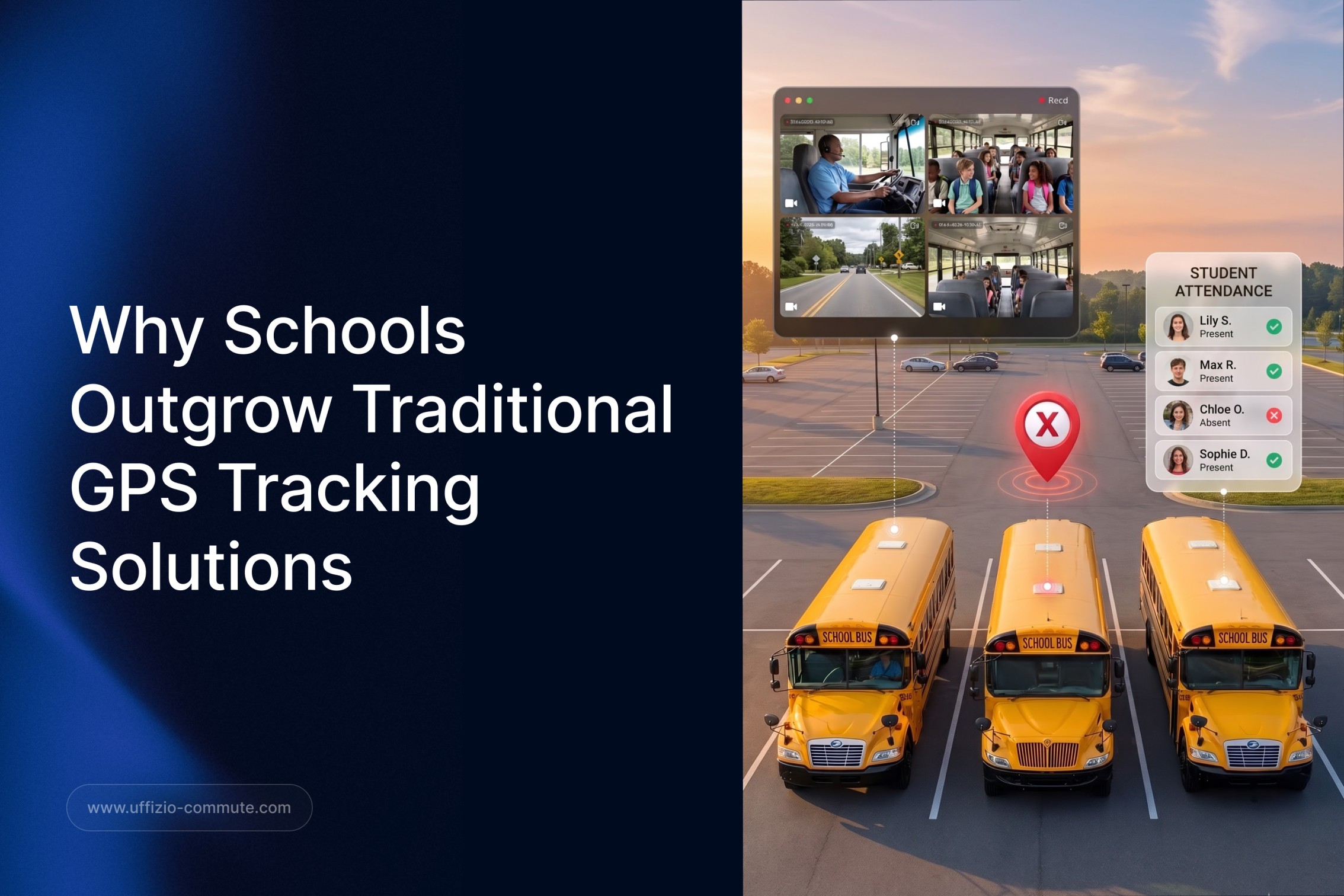
- Bus attendance
- Pickup and drop-off points
- Driver and trip details
- Parent communication
- Route management
- Alerts and notifications
- Daily trip monitoring
- Transport reports
- Safety-related events
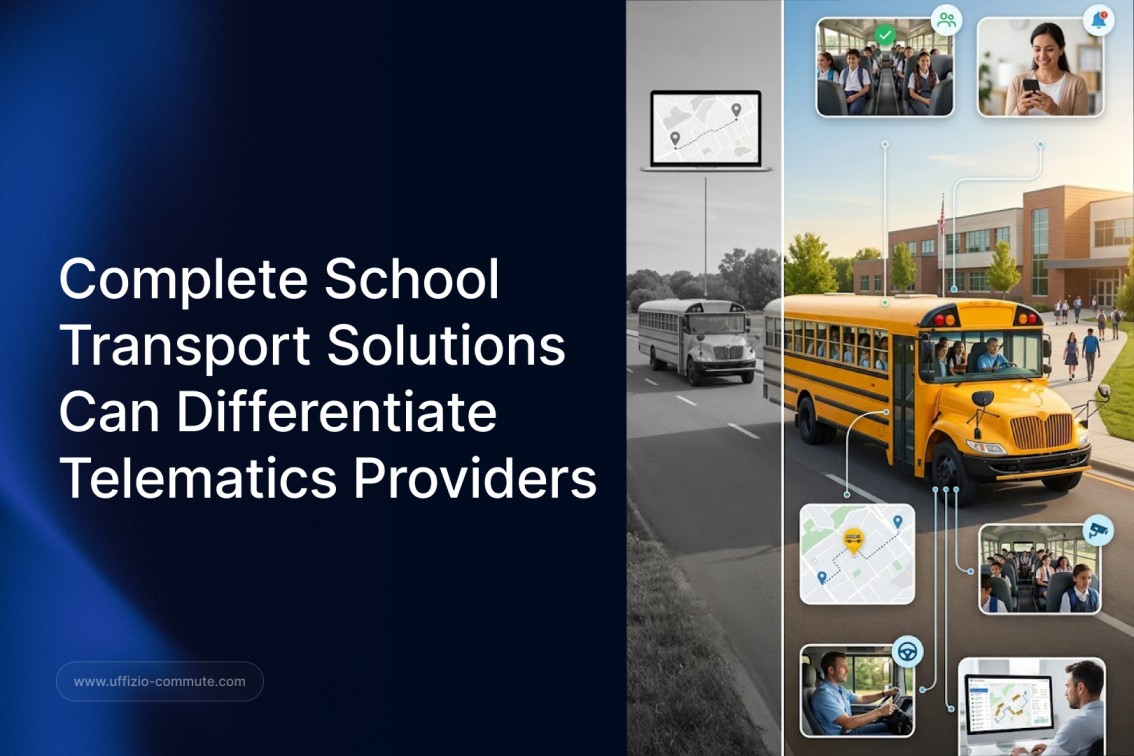
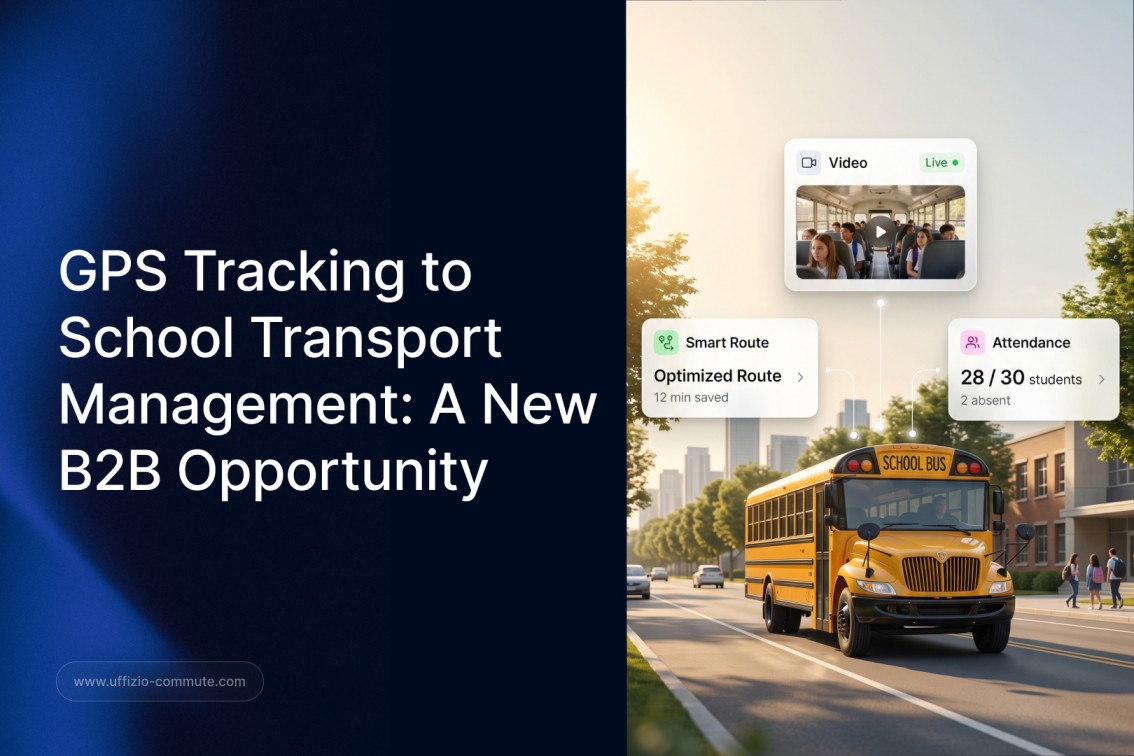
This means that a GPS tracking system can provide the vehicle data, but additional software is needed to turn that data into a complete school transport workflow.
That gap creates a B2B opportunity for telematics businesses.
Why School Transport Is Different
A school bus is not simply another fleet vehicle.
Every trip involves students, parents, drivers, schools, routes, schedules, and safety responsibilities.
For example, knowing that a bus is approaching a pickup point is useful. But the school may also need to know which students are expected at that stop, whether attendance has been recorded, and whether parents should receive an update.
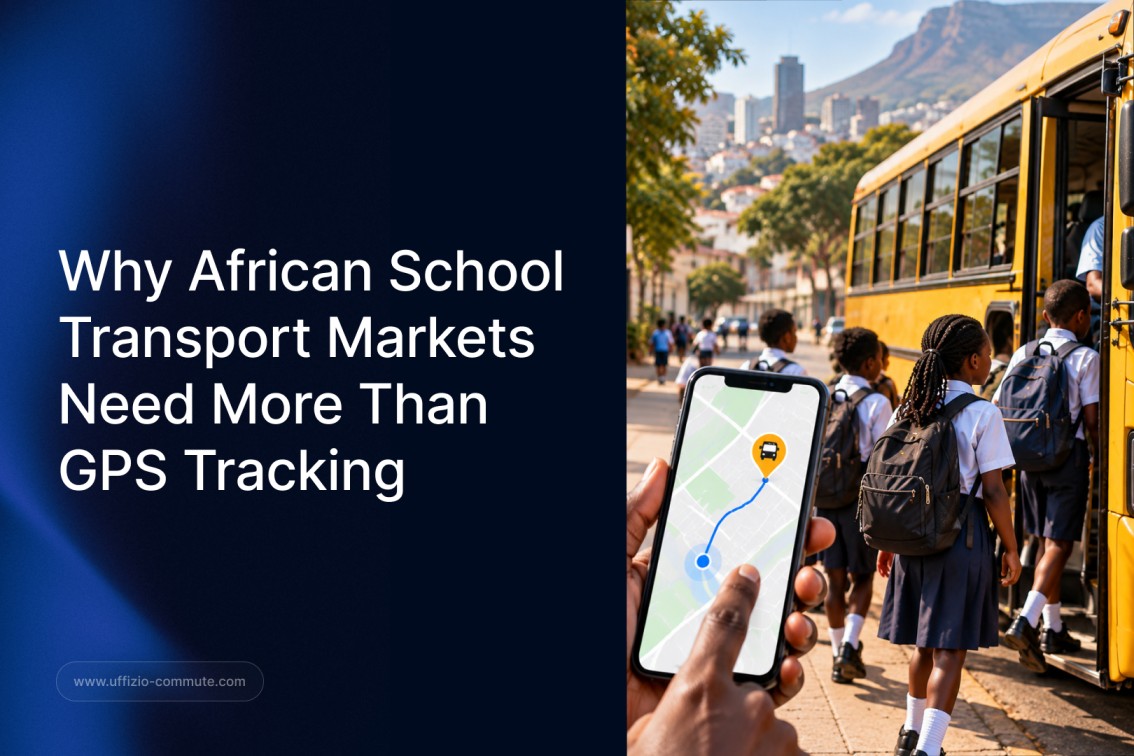
This is where Live School Bus Tracking becomes more valuable when connected with broader School Transport Management capabilities.
The tracking layer provides real-time vehicle visibility.
The management layer helps businesses and schools use that information to coordinate the complete transport operation.
The B2B Opportunity for GPS and Telematics Companies
For a GPS or telematics company, entering school transportation does not necessarily mean starting from zero.
Many companies may already have:
- GPS devices
- Tracking platforms
- Fleet management dashboards
- Mobile applications
- APIs
- Existing fleet customers
- Installation teams
- Technical support
- Regional sales networks
These existing capabilities can provide a foundation for entering specialized verticals.
Instead of selling only a tracking subscription, a company can potentially offer a broader school transport solution to schools, operators, transport contractors, and education-focused businesses.
This creates the possibility of increasing the value delivered to each customer.
Why This Matters in Emerging School Transport Markets
Markets such as Ghana, Nigeria, Tanzania, Kenya, and Indonesia have diverse school transportation environments.
Schools may operate their own buses, work with transportation contractors, or rely on third-party fleet operators.
For technology providers, this creates different potential customer segments.
A telematics company may not need to limit its offering to schools directly. It can also explore partnerships with:
- School bus operators
- Fleet management companies
- System integrators
- IoT solution providers
- Security and surveillance companies
- School management software providers
- Transport contractors
- Technology resellers
This makes School Transport Management relevant as a B2B product category rather than only a school-specific software market.
Existing GPS Customers Can Become an Entry Point
One of the biggest advantages for telematics companies is the existing customer relationship.
Suppose a GPS provider already works with a fleet operator that manages vehicles for schools.
The provider already understands the customer’s fleet, hardware, tracking requirements, and operational environment.
The next opportunity may be to introduce specialized school transport capabilities.
This creates a broader solution without changing the fundamental tracking infrastructure.
For businesses, this can be a more natural expansion strategy than trying to build an entirely new customer base in an unfamiliar industry.
Turning Tracking Data Into Business Value
GPS generates a significant amount of operational data.
The real B2B opportunity comes from turning that data into useful workflows.
For school transportation, tracking data can support:
- Real-time bus visibility
- Trip monitoring
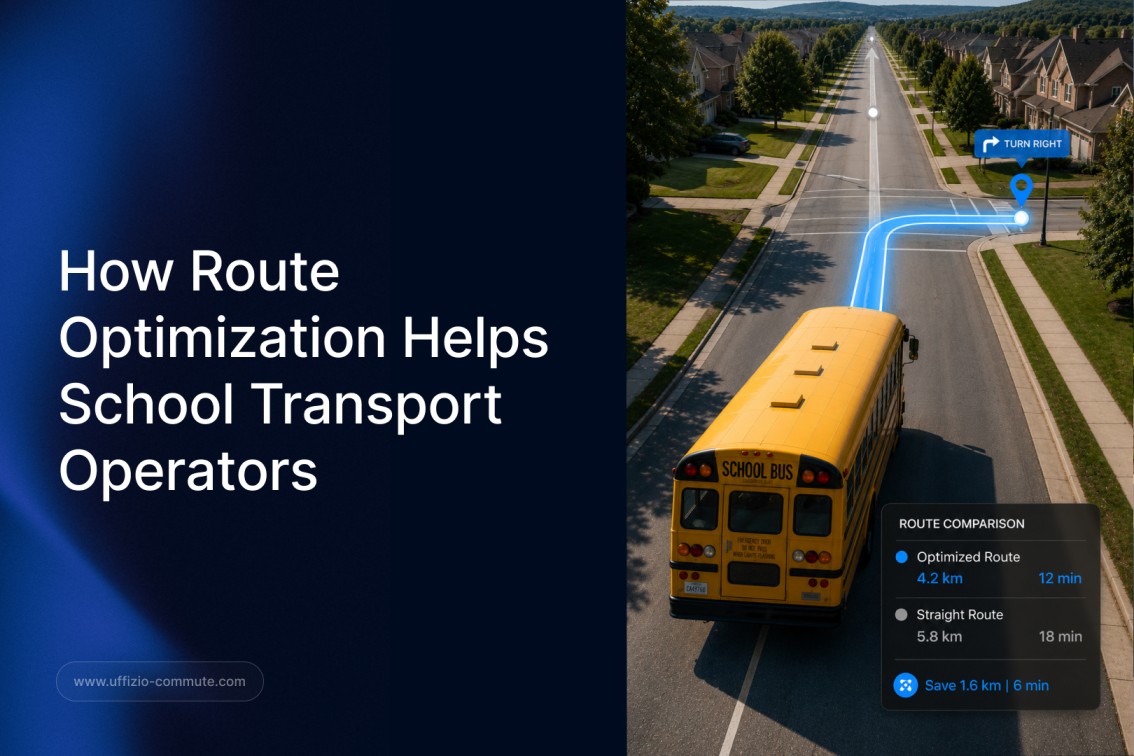
- Route performance analysis
- Arrival and departure visibility
- Historical trip reviews
- Operational reporting
- Driver monitoring
- Parent notifications
When combined with student and route information, the same tracking infrastructure can become part of a much larger transportation management ecosystem.
This is where School Transport Management can create additional value around an existing GPS platform.
Why White-Label Solutions Can Be Relevant
Building a complete school transportation platform internally requires development resources, testing, maintenance, support, and continuous product updates.
For some GPS and telematics companies, a white-label approach can provide another path.
Instead of developing every school-specific feature from scratch, a technology provider can integrate or offer an existing School Transport Management platform under its own brand, depending on the partnership model.
This can allow companies to focus more heavily on:
- Customer acquisition
- Regional sales
- Hardware deployment
- Customer relationships
- Local support
- Market expansion
Meanwhile, the software platform provides the specialized school transport capabilities required by the market.
Moving Beyond the GPS Provider Positioning
There is an important difference between selling a GPS product and selling a complete transportation solution.
A GPS provider may compete primarily around tracking features, devices, connectivity, and pricing.
A School Transport Management provider can position the solution around broader business outcomes:
- Better operational visibility
- More organized route management
- Improved parent communication
- Better student transport coordination
- Centralized reporting
- More efficient fleet operations
Live School Bus Tracking as a Bridge
Live School Bus Tracking can play an important role in this transition because it connects traditional telematics with school-specific requirements.
GPS companies already understand real-time vehicle tracking.
The opportunity is to extend that capability into a school-focused experience.
For example, a school transport platform can use live location data to support parent-facing visibility, trip monitoring, route management, and transport coordination.
This allows the existing GPS capability to remain at the center of the solution while adding specialized functionality around it.
What GPS Companies Should Consider Before Entering School Transport
Companies exploring this opportunity should evaluate several areas before launching a school transport offering.
Product Capabilities
Does the platform support more than basic tracking?
It should ideally address important school transport workflows such as routes, students, trips, attendance, alerts, and reporting.
Hardware Compatibility
If a company already has GPS devices in the market, compatibility with existing hardware can simplify deployment.
Mobile Experience
Parents, drivers, and transport managers may require different interfaces.
A school transport platform should consider these different user requirements.
Escalabilidade
The solution should be capable of supporting small operators as well as larger school fleets.
Regional Support
Markets such as Ghana, Nigeria, Tanzania, Kenya, and Indonesia have different business environments and customer expectations. Local support, implementation, connectivity, and sales processes can therefore matter when entering these markets.
The Bigger B2B Opportunity
The opportunity is ultimately larger than adding one more feature to a GPS platform.
It is about moving from a vehicle-centric product to an operation-centric solution.
GPS Tracking Software tells businesses where vehicles are.
Live School Bus Tracking adds real-time visibility for school journeys.
School Transport Management connects that visibility with the operational processes required to manage school transportation.
For GPS and telematics companies, this can create a broader product offering and open conversations with new customer segments.

Conclusão
GPS tracking remains an important technology for school transportation, but it does not have to be the final product.
As schools and transport operators look for better ways to manage buses, students, routes, communication, and daily trips, the demand for specialized School Transport Management capabilities can create a new B2B opportunity for technology providers.
For companies operating in Ghana, Nigeria, Tanzania, Kenya, Indonesia, and similar growth markets, the path can start with the capabilities they already have.
GPS Tracking Software provides the foundation. Live School Bus Tracking adds real-time visibility. School Transport Management turns that foundation into a broader operational solution.
For GPS and telematics businesses, the opportunity is to move beyond simply tracking vehicles and start helping customers manage the complete school transport operation.
That shift can create a more specialized offering, new partnership opportunities, and additional value from existing telematics capabilities.