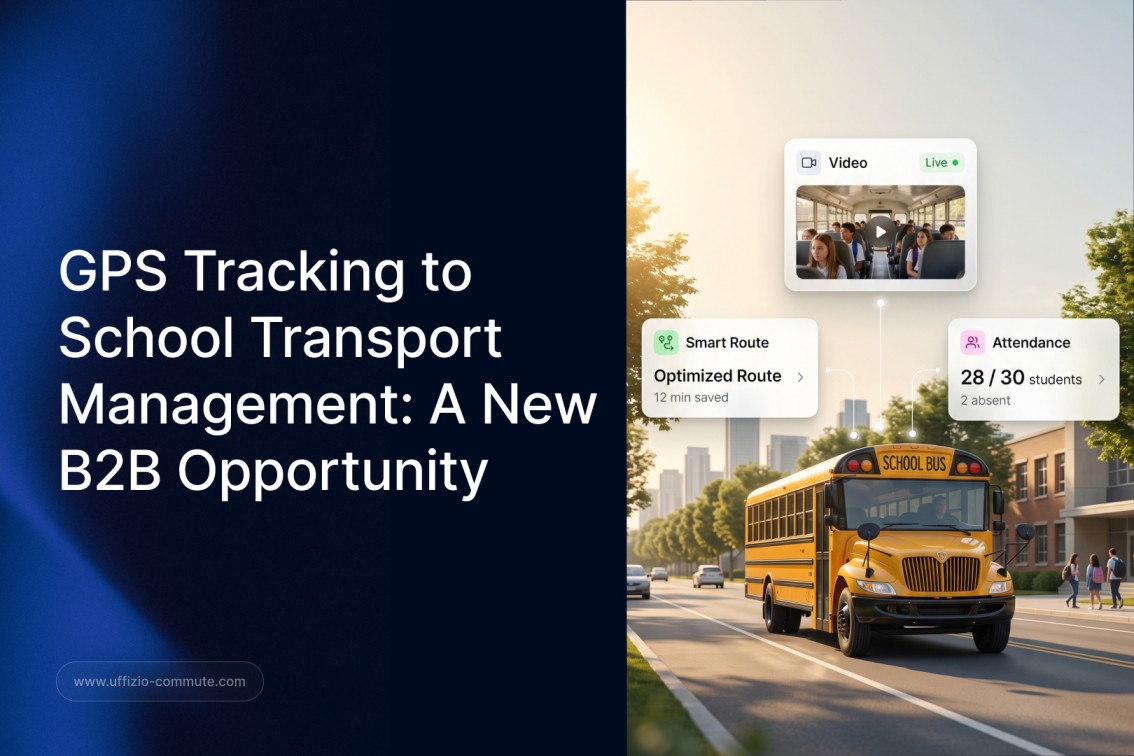
GPS tracking has become an important part of modern transportation. For schools and school transport operators, knowing where a bus is in real time can improve visibility and provide parents and transport teams with useful information.
But school transportation is more complicated than simply tracking vehicles.
As school fleets grow across markets such as Ghana, Nigeria, Tanzania, and Kenya, operators increasingly need to manage routes, students, drivers, trips, communication, attendance, and daily operations together. This is where GPS Tracking Software alone may not be enough.
The next step is moving from basic vehicle tracking toward a more connected approach to School Transport Management.
For technology providers, fleet operators, and schools, this shift creates an opportunity to use GPS as a foundation for a broader and more practical transportation solution.
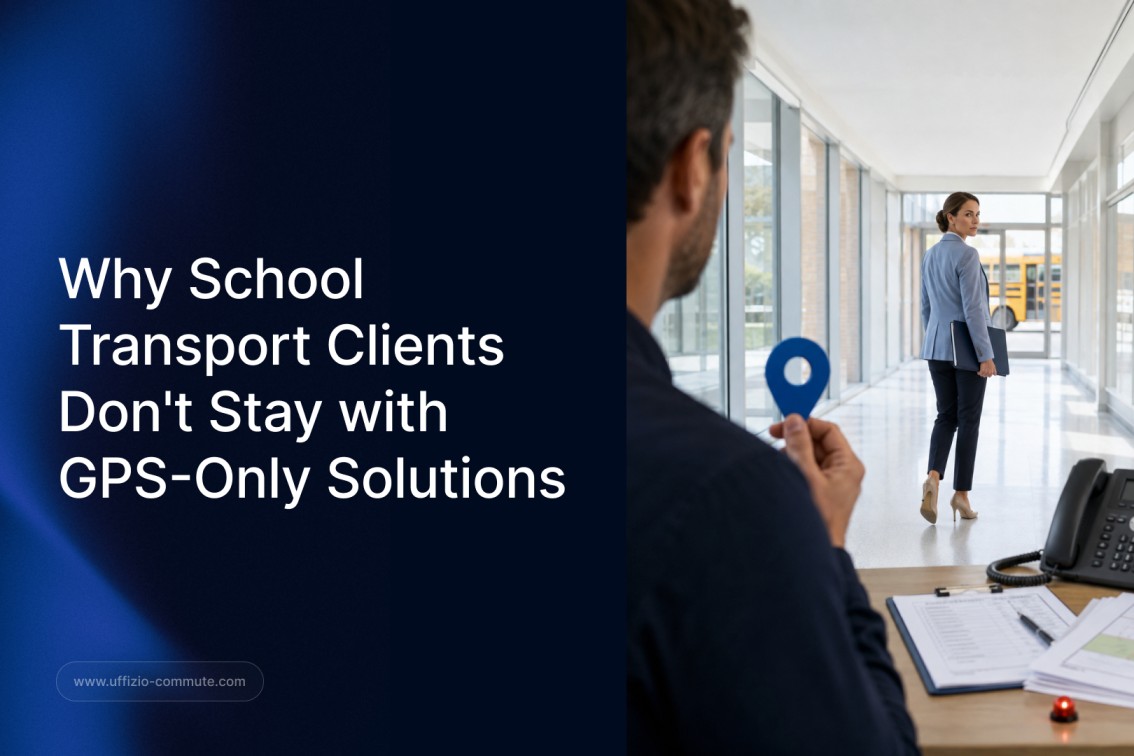
GPS Tracking Solves Only One Part of the Problem
The main purpose of GPS tracking is straightforward: provide vehicle visibility.
A transport manager can see the location of a bus, monitor movement, review routes, and identify whether a vehicle is moving or stopped.
However, school transport teams have many other questions every day:
- Which students are travelling on each bus?
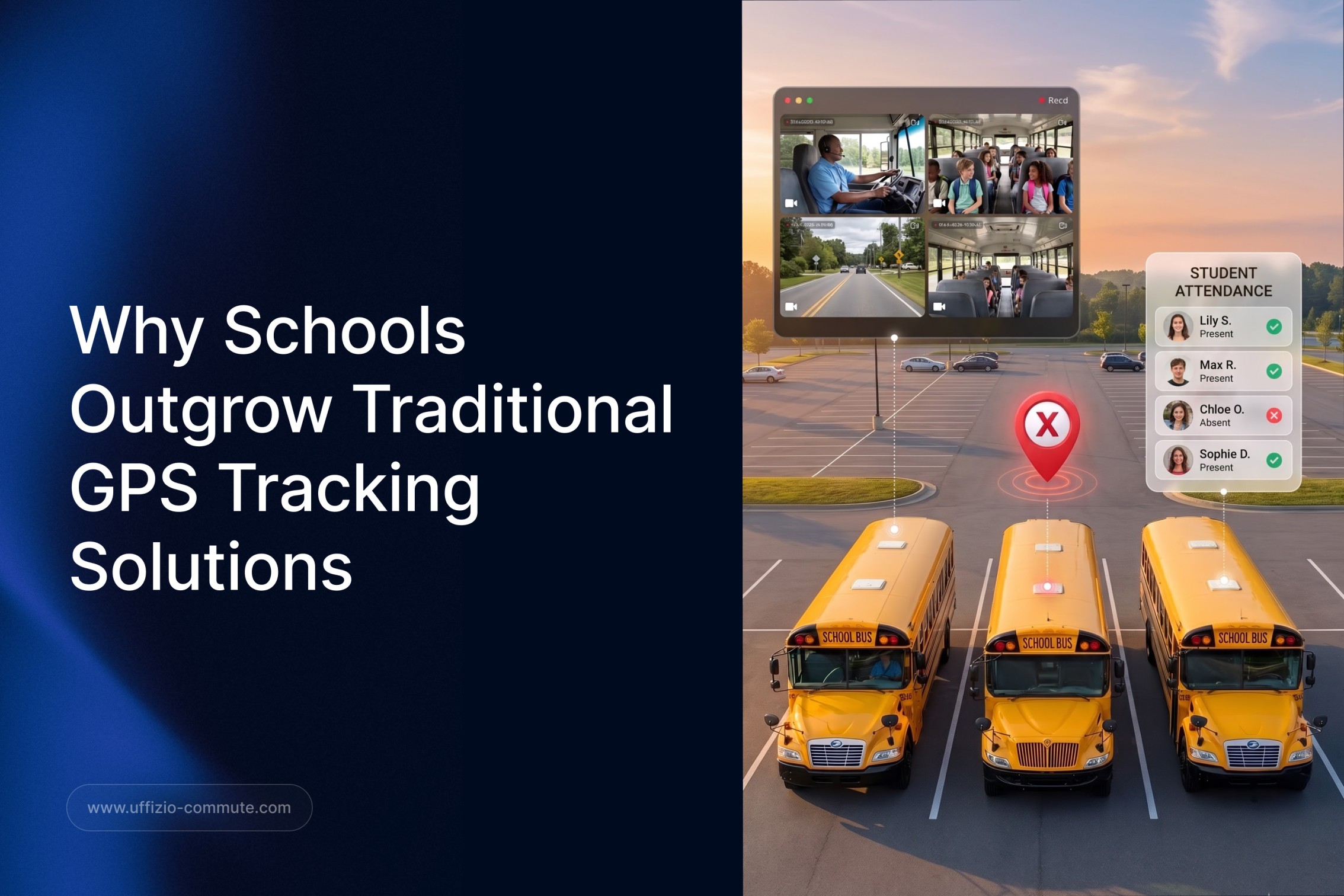
- Has attendance been recorded?
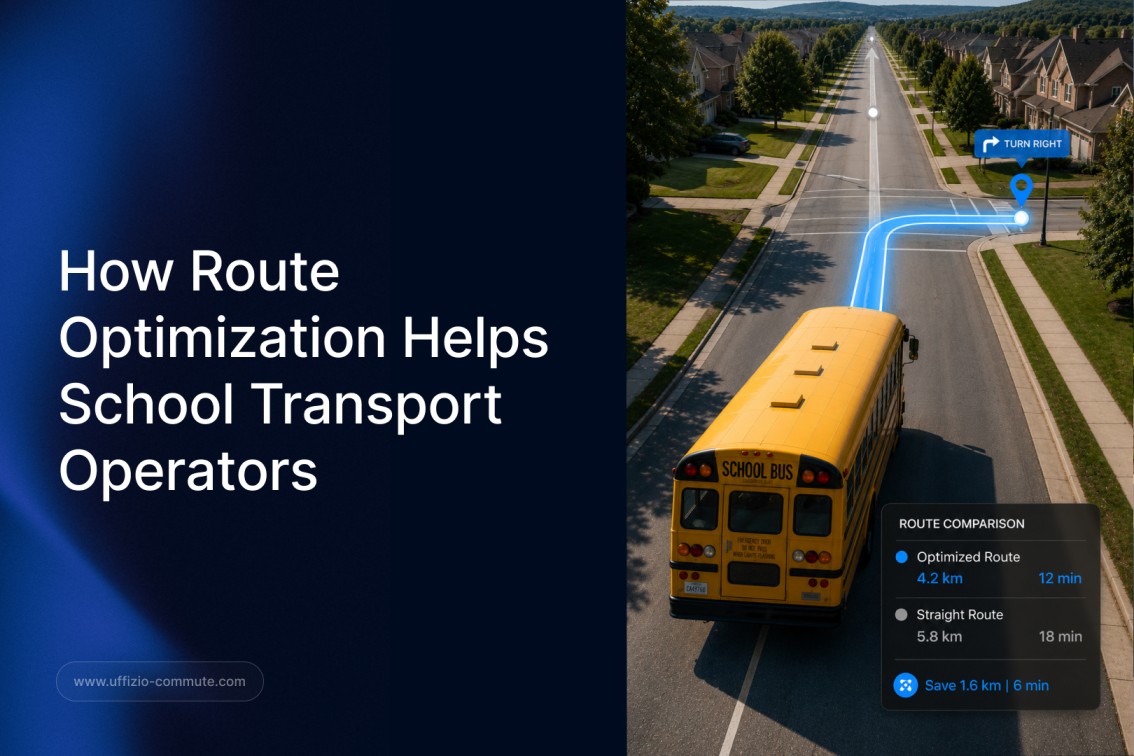
- Is the bus following the planned route?
- When will it reach a pickup point?
- Have parents received important trip updates?
- Is a driver following the assigned trip?
- How can transport managers review previous journeys?
- What happens when a route or bus needs to change?
GPS can provide the location data, but these operational questions require additional tools.
This is why Live School Bus Tracking should be viewed as part of a larger transport management system rather than the complete solution.
Why School Transportation Has Different Requirements
A school bus is not simply another fleet vehicle.
Every trip involves students, parents, drivers, school administrators, transport coordinators, and fixed schedules.
A commercial fleet may primarily focus on vehicle utilization, route efficiency, and driver performance.
School transportation has another layer of responsibility: the movement of students.
For example, knowing that a bus is five minutes away from a pickup location is useful. But the transport team may also need to know which students are expected at that location and whether the parents should be notified.
This creates a need for technology that connects vehicle information with student and trip information.
That is where School Transport Management becomes important.
The Growing Need for Live School Bus Tracking
Real-time visibility is one of the first improvements schools can make to their transport operations.
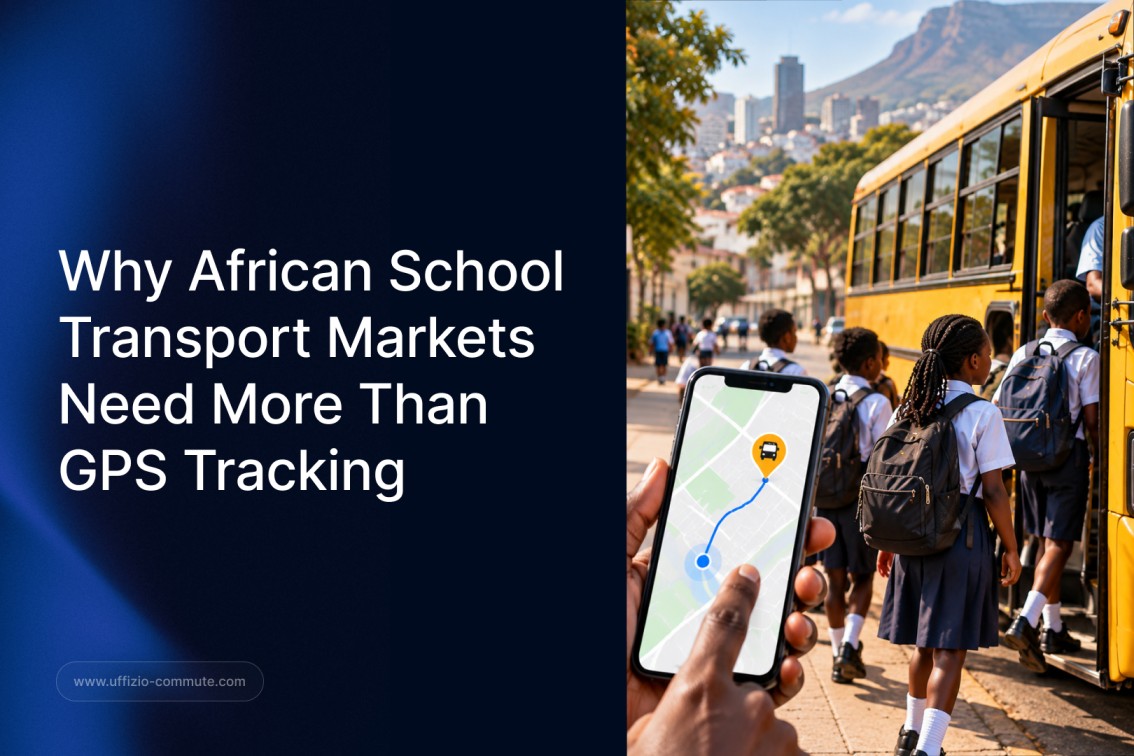
With Live School Bus Tracking, transport teams can monitor vehicles while trips are in progress. Parents can also receive more useful information about the location and progress of their child’s bus.
This can reduce uncertainty around school journeys.
Instead of repeatedly calling the school to ask where the bus is, parents can access relevant transport information through a connected system.
For operators, live tracking can also provide visibility into route deviations, delays, stops, and trip progress.
But the real value comes when live tracking is connected with other transport processes.
Why African Markets Need a Broader Approach
School transport environments across Africa are diverse.
In Ghana, Nigeria, Tanzania, and Kenya, schools and transport operators can have very different fleet sizes, operational structures, and technology requirements.
Some schools manage their own buses. Others work with transport contractors or third-party fleet operators.
As operations expand, manual processes can become harder to manage consistently.
Transport teams may use spreadsheets for student information, phone calls for communication, separate GPS platforms for vehicle tracking, and manual processes for attendance and reporting.
Each individual process may appear manageable.
But when combined across dozens of buses and hundreds or thousands of students, these disconnected workflows can create additional operational pressure.
A centralized School Transport Management platform can help bring more of these processes together.
From Tracking Vehicles to Managing School Transportation
The difference between GPS tracking and complete transport management can be understood through the type of information being managed.
GPS Tracking Software
The focus is primarily on:
- Vehicle location
- Vehicle movement
- Route visibility
- Historical tracking
- Basic fleet monitoring
School Transport Management
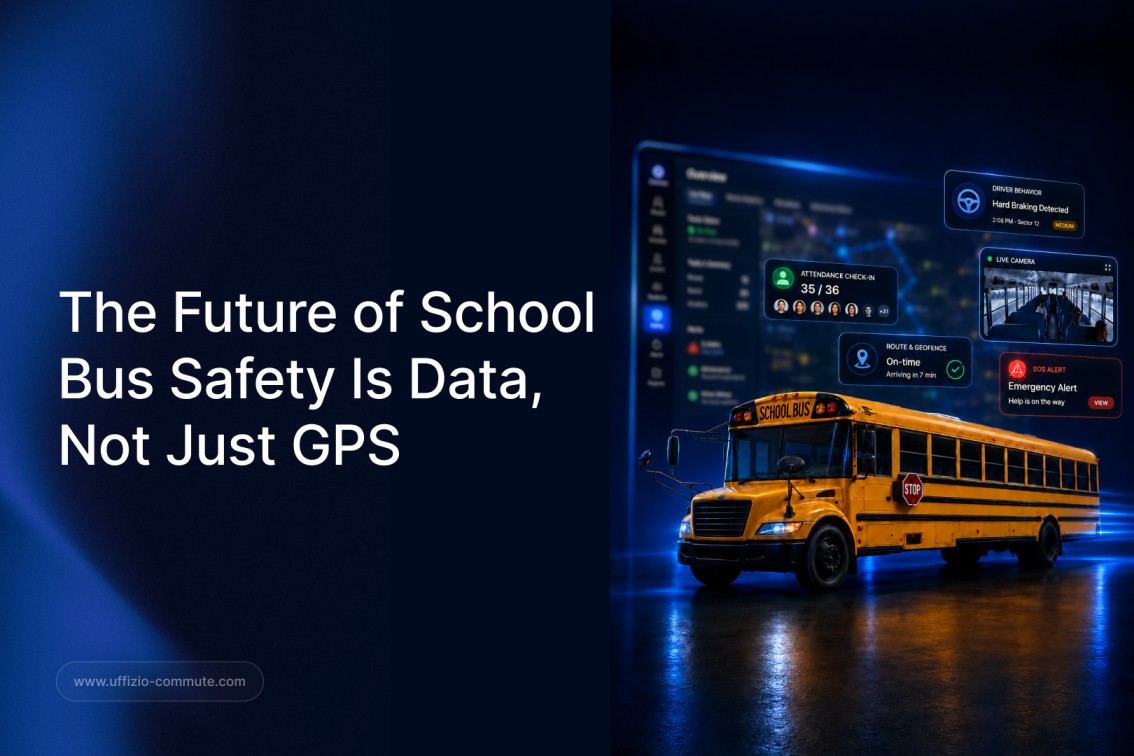
The scope can include:
- Rastreamento de veículos em tempo real
- Student management
- Attendance
- Driver management
- Gestão de viagens
- Route planning
- Parent communication
- Alerts and notifications
- Reports and analytics
GPS remains important, but it becomes one component of a larger system.
This approach gives transport operators a way to manage the complete journey rather than simply monitor the vehicle.
Parent Communication Is Becoming Part of the Transport Experience
Parents are an important part of school transportation.
They want confidence that the school knows where the bus is and what is happening during the journey.
Basic GPS tracking can provide location information, but parents often need more context.
Notifications about trip progress, arrival, delays, or other events can make communication more useful.
This is another reason why Live School Bus Tracking becomes more powerful when integrated into a broader School Transport Management platform.
The objective is not simply to show a vehicle on a map.
It is to provide relevant information at the right time.
Attendance and Student Management Matter Too
Vehicle location does not tell an operator which students are actually travelling.
Student attendance is therefore another important part of school transportation.
When attendance is managed manually, transport teams may need to maintain separate records and coordinate information between drivers and administrators.
Connecting student information with transport operations can make this process more structured.
The combination of student management, attendance, and GPS data can give transport managers a more complete view of each trip.
The Opportunity for GPS and Telematics Companies
This shift also creates a B2B opportunity for GPS and telematics providers.
Many technology companies already have GPS devices, tracking platforms, installation capabilities, and existing customer relationships.
Instead of offering only GPS Tracking Software, they can explore specialized School Transport Management solutions.
This can help them address customers who need more than vehicle tracking.
This creates a broader value proposition for schools, transport contractors, fleet operators, and other education-focused businesses.
The opportunity is not to move away from GPS.
It is to build more value around it.
The Future of School Transport Is Connected
The future of school transportation is not about replacing GPS.
GPS remains a critical foundation for visibility and fleet monitoring.
The bigger opportunity is connecting GPS data with the other systems required to manage school transportation effectively.
With GPS Tracking Software, operators can monitor vehicles.
With Live School Bus Tracking, they can provide real-time visibility during school journeys.
With School Transport Management, they can connect vehicle tracking with students, drivers, routes, trips, communication, attendance, and reporting.
Together, these capabilities create a more complete transportation ecosystem.

Conclusão
For school transport markets across Ghana, Nigeria, Tanzania, and Kenya, GPS tracking can provide an important starting point, but it does not have to be the final destination.
As fleets grow and transportation operations become more complex, schools and operators need technology that can help them manage more than vehicle locations.
They need better visibility into students, routes, drivers, trips, attendance, communication, and daily operations.
That is why the next phase of school transport technology is moving from GPS tracking to complete School Transport Management.
For GPS and telematics companies, this shift can also create a valuable B2B opportunity: take existing tracking capabilities and extend them into a specialized solution designed around the real operational needs of school transportation.