For many GPS tracking companies, schools and school transport operators represent a valuable customer segment. These customers need reliable vehicle tracking, route visibility, and better control over their transportation operations.
However, providing basic GPS tracking is not always enough to retain them.
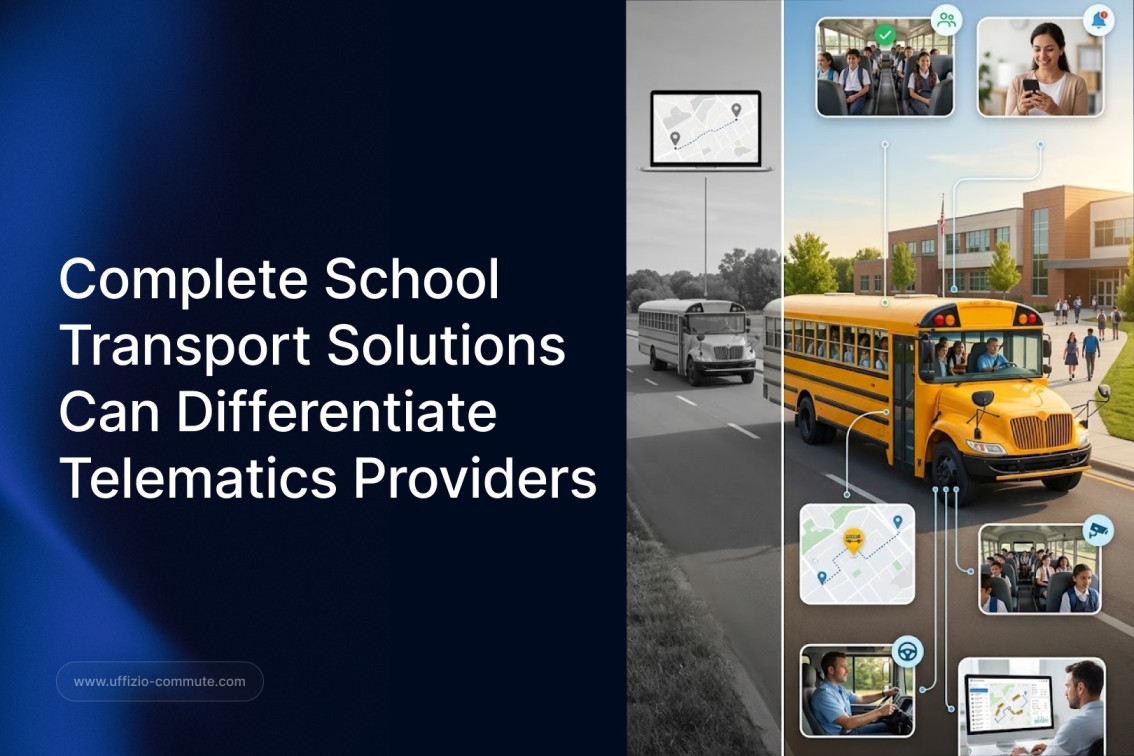
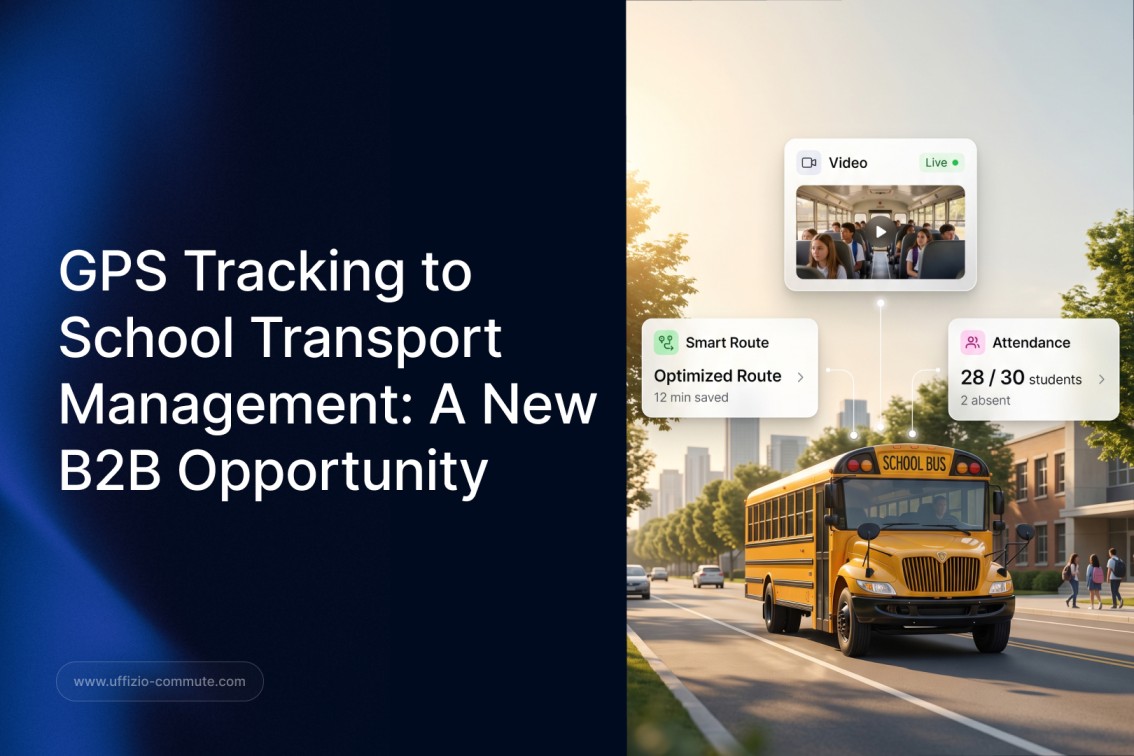
As school transport operations become more complex, schools increasingly need solutions that go beyond vehicle location. They want better communication, student attendance management, route coordination, trip monitoring, and operational visibility.
For B2B GPS providers, this creates an important challenge. If their offering does not evolve with customer requirements, schools may begin looking for alternatives that provide more complete functionality.
The opportunity is to move beyond basic tracking and offer a more comprehensive approach to School Transport Management.
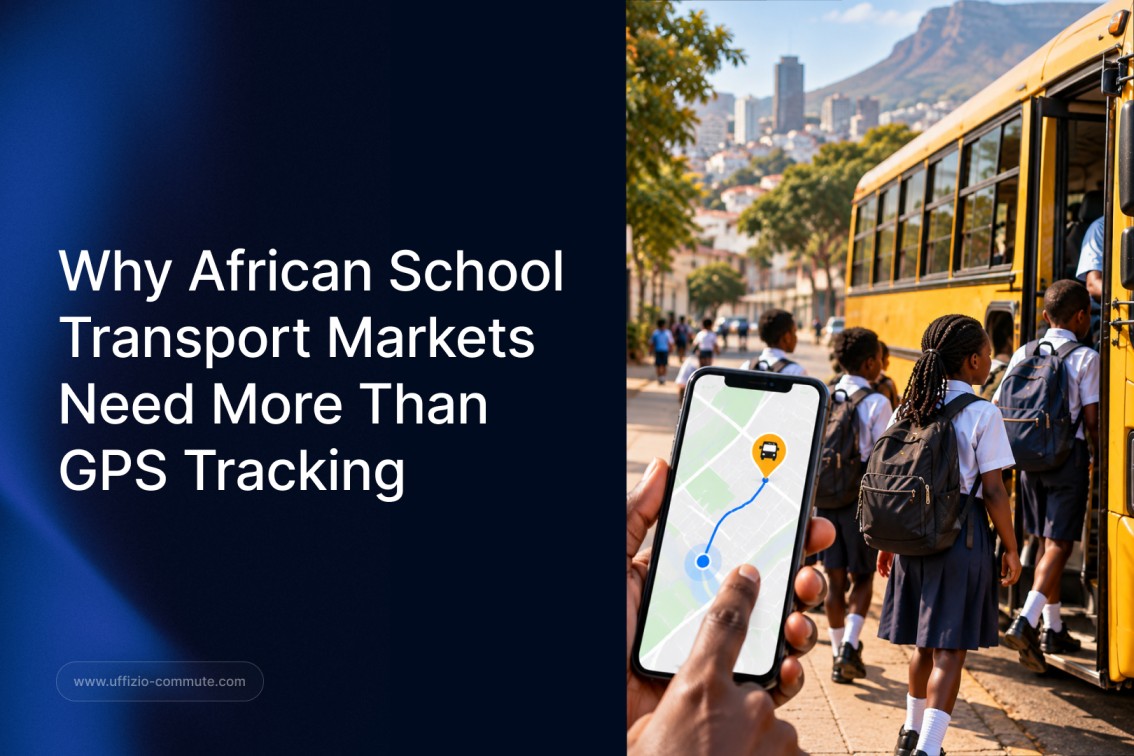
For providers operating in Ghana, Nigeria, Tanzania, Kenya, and Indonesia, understanding these changing requirements can help build stronger customer relationships and identify new business opportunities.
1. Why Basic GPS Tracking May No Longer Be Enough
Traditional GPS tracking answers a straightforward question: Where is the bus right now?
This information remains essential for school transportation. It helps operators monitor vehicle movement, review routes, and maintain visibility over their fleets.
However, schools face several additional challenges every day.
Transport managers may need to coordinate multiple buses, monitor student pickup and drop-off activities, respond to parent enquiries, manage route changes, and review trip performance.
A GPS platform that focuses primarily on vehicle location may not address all these requirements.
As a result, schools may start comparing their current provider with solutions that offer a broader set of school transport capabilities.
The issue is not that GPS tracking has become irrelevant. It is that customer expectations have expanded beyond GPS alone.
2. Schools Need More Than Vehicle Location
School transportation involves several connected activities. Managing them through separate tools can increase administrative work and make it harder to maintain a clear operational picture.
For example, a school might use one platform for vehicle tracking, spreadsheets for student information, and phone calls to communicate delays to parents.
Each process may work individually, but managing everything separately can become difficult as the fleet grows.
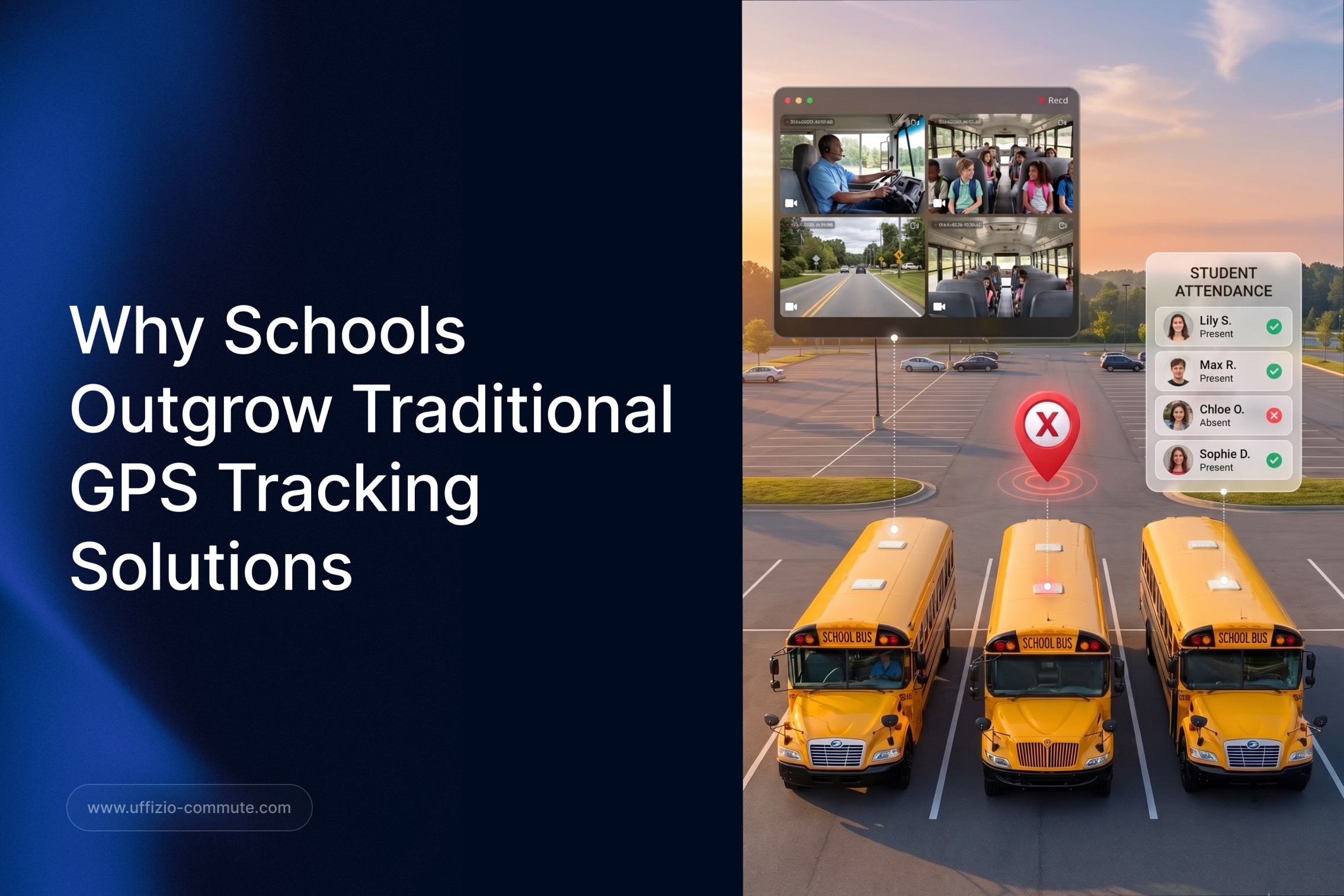
A more complete School Transport Management solution can bring important workflows together, including:
- Real-time bus location monitoring
- Student attendance management
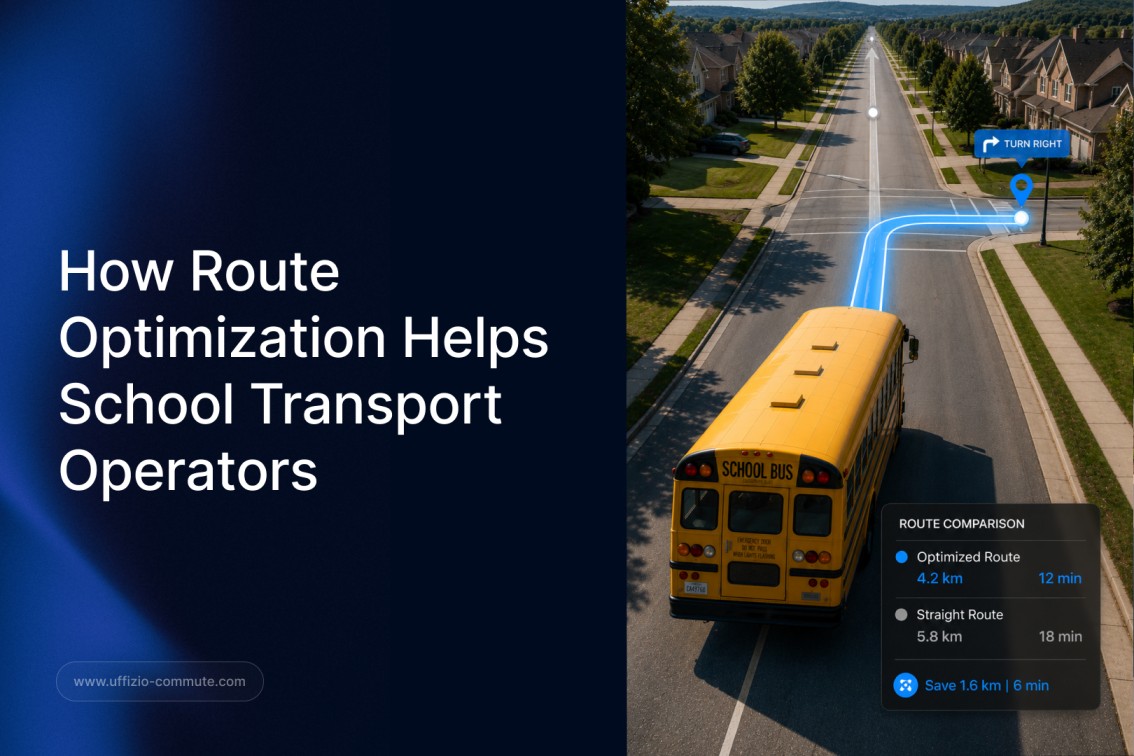
- Route and trip management
- Parent notifications
- Driver information
- Pickup and drop-off visibility
- Alerts and event monitoring
- Transport reports and analytics
For B2B GPS providers, offering these capabilities can help address a wider range of customer needs.
It also creates an opportunity to move the sales conversation from tracking features toward the overall value of the transportation operation.
3. Limited Live School Bus Tracking Experiences Can Affect Retention
Parents want reliable information about their children’s school journeys. Schools, meanwhile, need a practical way to monitor buses and respond when trips do not go according to plan.
Live School Bus Tracking can help meet these expectations by providing real-time vehicle visibility.
However, the customer experience depends on more than displaying a vehicle on a map.
Schools may also need useful arrival updates, route information, trip status, and timely notifications when delays or unexpected events occur.
When these capabilities are missing, transport staff may continue handling enquiries manually.
For GPS providers, improving the Live School Bus Tracking experience can help make the solution more relevant to schools and their parent communities.
The objective is to deliver information that customers can actually use—not simply provide access to tracking data.
4. Poor Scalability Can Push Schools Toward Alternatives
A solution that works for a small fleet may become difficult to manage when a school adds more buses, serves additional campuses, or expands its transportation services.
As operations grow, schools need better visibility across vehicles, routes, drivers, and daily trips.
If a GPS platform does not support these changing requirements, transport teams may experience increasing administrative pressure.
They may begin searching for software that can support their current operations and future growth.
B2B GPS providers can address this challenge by evaluating whether their offerings support larger fleets, multiple schools, flexible route management, and centralized reporting.
Scalability is not just a technical feature. It is part of the customer’s long-term decision about whether to continue investing in a platform.
5. Weak Customer Support Can Damage Long-Term Relationships
Software capabilities matter, but customer experience also plays an important role in retention.
Schools may need assistance with device installation, user training, configuration, troubleshooting, or understanding reports.
If support is difficult to access or problems take too long to resolve, customers may lose confidence in the provider.
This is particularly important when transportation teams depend on the platform for everyday operations.
B2B GPS providers can strengthen relationships through responsive support, clear onboarding, practical training, and regular communication with customers.
They should also pay attention to recurring complaints and feature requests.
These conversations can reveal gaps in the product before they become reasons for customers to leave.
6. How School Transport Management Can Improve Customer Retention
One way to address these challenges is to expand from GPS tracking into specialized School Transport Management.
Rather than treating tracking as the complete product, providers can position it as the foundation of a broader transportation solution.
For example, a school transport platform may combine GPS data with route management, student information, attendance, alerts, and reporting.
This creates a more connected experience for transport managers and other users.
It can also make the solution more difficult to replace simply on the basis of tracking price, because customers receive value from multiple connected workflows.
For B2B GPS providers, the opportunity is to build an offering that aligns more closely with the actual needs of school transport customers.
7. Use Existing GPS Customers to Identify Expansion Opportunities
Providers do not always need to find entirely new customers to grow their school transport business.
Their existing customer base may already include fleet operators, transport contractors, schools, or businesses serving the education sector.
These relationships can provide a starting point for understanding demand for additional school transport capabilities.
For example, a fleet operator may already use GPS Tracking Software but still manage student attendance and parent communication through separate processes.
A provider can explore whether a broader School Transport Management solution would address those gaps.
A practical approach includes:
- Reviewing existing school transport customers.
- Identifying the operational challenges they still face.
- Understanding which additional features would be valuable.
- Evaluating integration with existing tracking hardware and systems.
- Offering a solution that addresses the identified requirements.
This approach helps providers focus on genuine customer needs rather than adding features without a clear purpose.
8. Consider White-Label Solutions Instead of Building Everything In-House
Developing a complete school transport platform requires product development, testing, maintenance, integrations, and ongoing technical support.
For some B2B GPS providers, building every feature internally may require more resources than their business can justify.
A white-label School Transport Management solution can provide an alternative, depending on the provider’s requirements and the available partnership model.
It may allow a company to offer specialized school transport capabilities under its own brand without developing the entire platform from scratch.
Before choosing this approach, providers should evaluate:
- Compatibility with existing GPS devices
- Available APIs and integration options
- Feature coverage
- Branding flexibility
- Mobile application support
- Data security and access controls
- Implementation requirements
- Technical support arrangements
- Pricing and commercial terms
The right partnership can help providers expand their offering while continuing to focus on sales, customer relationships, and regional market development.
9. Opportunities Across Ghana, Nigeria, Tanzania, Kenya, and Indonesia
School transport requirements differ across markets, school types, and fleet sizes. Providers should avoid assuming that one sales approach will work everywhere.
However, technology companies serving these regions can explore school transportation as a specialized market segment.
In Ghana and Nigeria, GPS providers can assess opportunities among schools, private transport operators, and businesses already serving fleet customers.
In Kenya and Tanzania, providers can explore whether school transport operators need more integrated tools for vehicle visibility, trip coordination, and communication.
In Indonesia, providers can evaluate opportunities with schools, education groups, transport contractors, and local technology partners.
In every market, successful expansion depends on understanding local requirements, customer budgets, connectivity conditions, support expectations, and existing transport practices.
The key is to validate demand with potential customers instead of relying on assumptions about the market.
10. Build Retention Around Measurable Customer Value
Customer retention becomes easier to manage when providers regularly review whether their solutions are delivering practical value.
Instead of focusing only on subscription renewals, B2B GPS providers can track indicators such as:
- Customer satisfaction
- Support response and resolution times
- Platform adoption
- Feature usage
- Renewal rates
- Customer feedback
- Requests for additional functionality
These indicators can help identify customers who may need more support or a solution better suited to their operations.
Providers should also clearly communicate product improvements and show how new capabilities address existing problems.
When customers understand the value they receive, the relationship becomes less dependent on price alone.

Conclusion
B2B GPS providers risk losing school transport clients when their offerings cannot keep pace with changing customer requirements.
Basic vehicle tracking remains important, but schools may also need student attendance management, route coordination, parent communication, trip monitoring, and reporting.
By expanding into School Transport Management and improving the Live School Bus Tracking experience, providers can build a more relevant offering for school transport customers.
Stronger retention starts with understanding what customers still struggle to manage, improving the capabilities that matter most, and providing reliable, ongoing support.
For GPS providers in Ghana, Nigeria, Tanzania, Kenya, and Indonesia, the opportunity is to move beyond tracking as a standalone service and offer a solution that supports the wider school transportation operation.
The goal is not simply to retain a GPS customer. It is to become a more valuable technology partner as that customer’s school transport business grows.