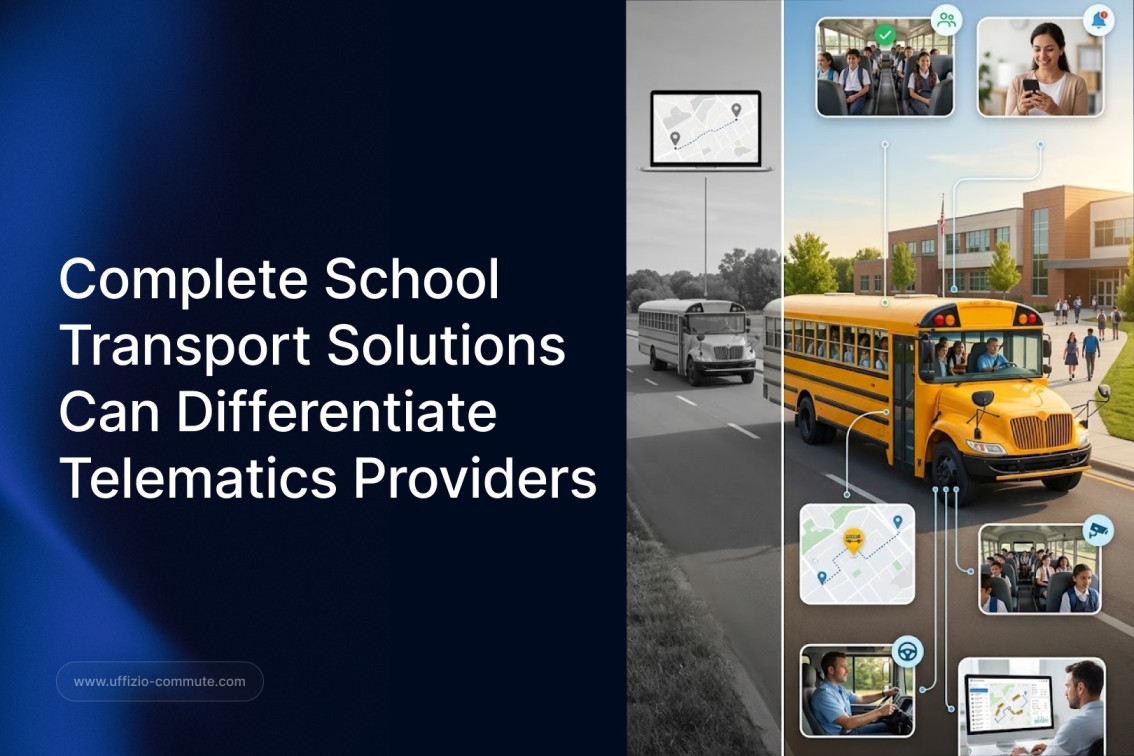
For GPS tracking providers, selling vehicle tracking solutions has traditionally been a reliable business model. Customers need real-time vehicle visibility, route monitoring, and fleet management capabilities. However, as the telematics market becomes more competitive, offering basic tracking services alone is no longer enough to build a strong competitive advantage.
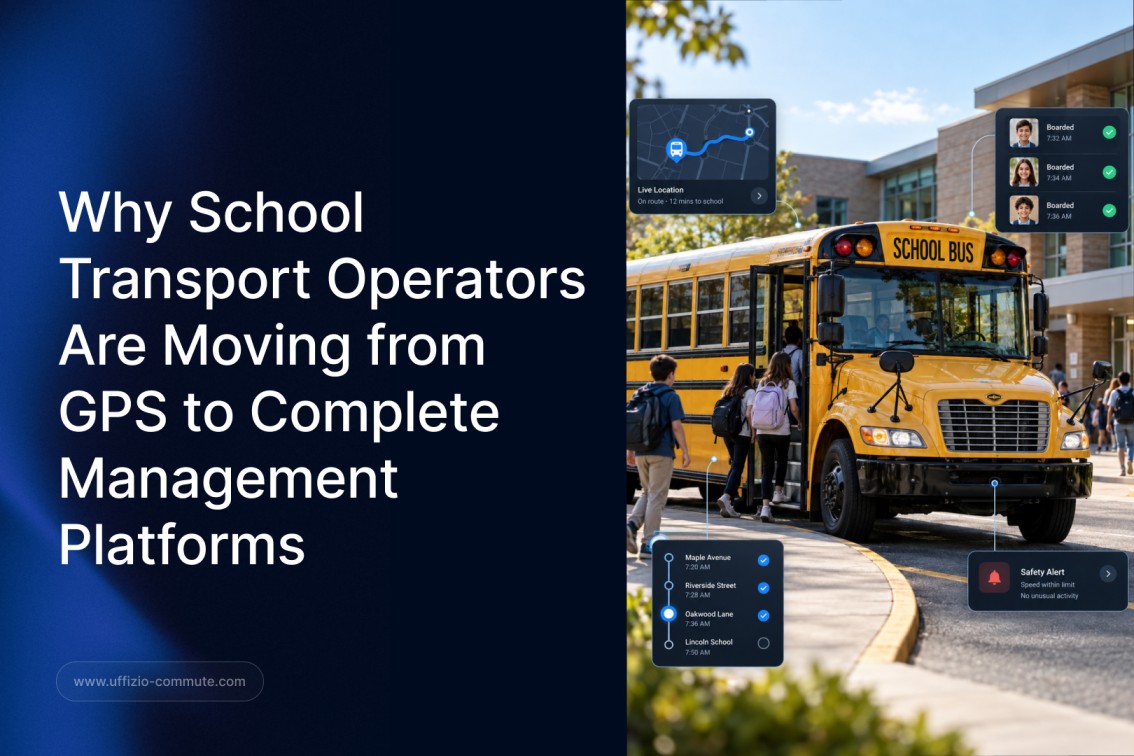
Schools and school transport operators are looking for technology that helps them manage their entire transportation process. They need more than vehicle locations. They want student attendance monitoring, parent notifications, route management, trip updates, and better operational control.
This creates a valuable opportunity for GPS providers.
By adding White-Label School Transport Software to their existing product portfolio, GPS companies can expand beyond traditional tracking services, serve a new customer segment, and create additional revenue opportunities without developing an entire platform from scratch.
For providers targeting Ghana, Nigeria, Tanzania, Kenya, and Indonesia, this approach can open new opportunities in the growing school transportation technology market.
Why GPS Providers Need to Expand Beyond Traditional Tracking
GPS tracking remains an important technology for fleet visibility. It helps businesses monitor vehicles, review trip history, and understand vehicle movement.
However, school transportation involves several activities that basic tracking can’t handle on its own.
Schools and transport operators also need to:
- Monitor student boarding and drop-off activities.
- Share bus location updates with parents.
- Manage drivers, students, and vehicles.
- Organize routes and daily trips.
- Send notifications about bus arrivals and delays.
- Generate transportation reports.
- Monitor overall transport operations.
When GPS providers cannot support these requirements, customers may look for additional technology vendors.
This can create a gap in the provider’s product offering and limit opportunities to increase revenue from existing customers.
Offering complete Logiciel de transport scolaire allows GPS companies to address these requirements and deliver more value through a broader technology solution.
What Is White-Label School Transport Software?
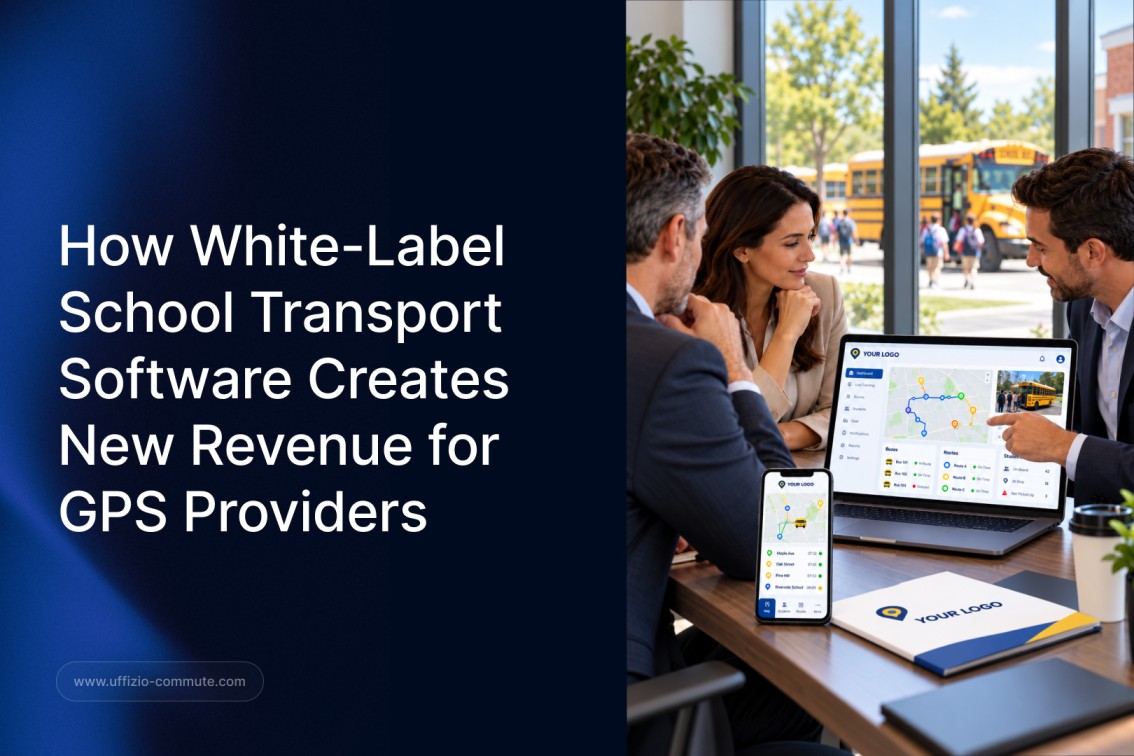
White-label software allows a company to offer an existing technology platform under its own brand.
Instead of investing significant time and resources in developing a complete school transport solution, GPS providers can partner with a technology vendor that already offers the required software.
The provider can then present the platform to its customers using its own branding, depending on the available white-label capabilities.
A white-label School Transport Software solution can include features such as:
- Real-time school bus tracking.
- Parent mobile applications.
- Driver mobile applications.
- Student attendance monitoring.
- Route and trip management.
- Alerts and notifications.
- Admin dashboards.
- Reports and analytics.
This allows GPS providers to enter the school transportation market with a more complete offering while focusing on sales, customer relationships, and business expansion.
Create New Revenue Opportunities Beyond GPS Tracking
One of the biggest advantages of white-label software is the ability to introduce additional services to existing customers.
Many GPS providers already have relationships with schools, fleet operators, transport contractors, and other businesses. These relationships can become a starting point for introducing school transport management capabilities.
For example, a provider currently selling GPS devices and tracking subscriptions can expand its offering by introducing a complete school transportation platform.
This creates opportunities to generate revenue through:
Software subscriptions: Providers can offer recurring software plans based on the customer’s requirements and commercial agreement.
Additional user access: Parent, driver, and administrator applications can increase the overall value of the solution.
Premium features: Advanced capabilities such as attendance monitoring, route optimization, and reporting can support higher-value service packages.
New customer acquisition: Providers can approach schools and transport operators that require more than basic GPS tracking.
Instead of depending only on hardware sales and basic tracking subscriptions, GPS companies can build a broader revenue model around software and transportation management services.
Use Live School Bus Tracking to Attract Schools and Parents
Parents want visibility into their children’s daily transportation. They want to know whether the bus has started its journey, where it is currently located, and when it is expected to arrive.
This makes Live School Bus Tracking an important feature when presenting a school transportation solution.
With real-time tracking and parent communication capabilities, schools can provide a more transparent transportation experience.
A complete solution can offer:
- Live bus location updates.
- Estimated arrival times.
- Bus arrival and departure notifications.
- Student boarding and drop-off alerts.
- Parent access through mobile applications.
- Trip status information.
For GPS providers, these features create a strong opportunity to differentiate their services.
Traditional GPS tracking mainly serves fleet administrators. By adding parent-facing capabilities, providers can offer a solution that delivers value to schools, transport operators, and parents.
This broader value proposition can make sales conversations more meaningful and help providers compete for school transportation customers.
Target New Customer Segments in School Transportation
White-label School Transport Software also allows GPS providers to approach customer segments that may not have been part of their traditional sales strategy.
Some potential target customers include:
Private and International Schools: Schools managing their own bus fleets may need better visibility, attendance monitoring, and parent communication.
School Transport Operators: Companies managing transportation services for multiple schools may require centralized fleet, route, driver, and student management.
School Bus Fleet Companies: Fleet businesses can use integrated tracking and management capabilities to improve their service offerings.
System Integrators: Technology providers can include school transport capabilities as part of their wider software and hardware solutions.
Telematics Solution Providers: Existing GPS businesses can expand their portfolio by offering industry-specific software to their customer base.
These segments provide multiple opportunities for GPS providers to expand their market reach and build long-term B2B relationships.
Enter Emerging Markets with a More Complete Solution
Markets such as Ghana, Nigeria, Tanzania, Kenya, and Indonesia offer opportunities for technology companies looking to serve schools and transport businesses.
However, customer requirements can differ across regions, cities, and individual organizations.
In Ghana and Nigeria, providers can explore opportunities with private schools, school transport contractors, and fleet management businesses looking to improve daily transportation visibility.
In Kenya and Tanzania, GPS providers can approach schools and transport operators interested in better route monitoring, student tracking, and parent communication.
In Indonesia, providers can explore partnerships with school groups, transport service providers, and technology companies looking to modernize school transportation operations.
For businesses entering these markets, offering only vehicle tracking may limit their ability to address broader customer requirements.
A complete School Transport Software solution gives GPS providers more flexibility to approach different customer segments with relevant features.
The key is to understand local operating challenges, demonstrate practical benefits, and offer a solution that can adapt to the customer’s requirements.
Reduce Development Investment and Launch Faster
Building a complete school transportation platform internally requires considerable resources.
Companies need software developers, product managers, testing teams, infrastructure, ongoing maintenance, and regular feature improvements.
For GPS providers whose core business is tracking technology, managing a separate software development project can increase operational costs and delay market entry.
White-label software offers an alternative.
By using an established platform, providers can reduce the need to develop every feature internally and focus more on business activities such as:
- Identifying potential customers.
- Building channel partnerships.
- Marketing the solution under their brand.
- Managing customer relationships.
- Providing sales demonstrations.
- Expanding into new regions.
The actual implementation effort, customization options, and commercial model depend on the technology partner.
This approach can help GPS companies expand their offerings without taking on the full responsibility of building and maintaining an entirely new product.
Choose the Right White-Label Technology Partner
The success of a white-label strategy depends heavily on the technology platform behind it.
GPS providers should evaluate potential partners carefully before introducing a solution to their customers.
Important factors to consider include:
Complete feature coverage: The platform should support essential school transport activities, including tracking, attendance, route management, notifications, and reporting.
Mobile application availability: Parent and driver applications are important for connecting different participants in school transportation.
Branding flexibility: Check whether the provider supports your company branding across the platform and applications.
Integration capabilities: The solution should be able to work with relevant GPS devices, tracking systems, and existing business infrastructure.
Scalability: The platform should support business growth as providers add more schools, vehicles, routes, and users.
Technical support: Reliable implementation assistance, product updates, and ongoing technical support are important for long-term operations.
Choosing the right partner helps GPS providers build a stronger product offering and maintain customer confidence.

Conclusion
For GPS tracking providers, the next growth opportunity may not come from selling more tracking devices alone. It may come from offering complete industry-specific software that solves real customer problems.
White-label School Transport Software allows GPS companies to expand beyond basic tracking, reach new customer segments, and create additional recurring revenue opportunities.
By combining GPS Tracking Software, Live School Bus Tracking, and complete school transportation management capabilities, providers can deliver greater value to schools and transport operators.