School transport costs are rarely high because of poor planning. Routes are designed, fees are structured, buses are deployed, and safety protocols are carefully followed.
However, many schools and transporters still struggle to understand why margins feel tighter each year, even when student numbers remain stable.
The reason is often simple.
Most losses don’t come from accidents or major operational failures. Instead, they build up through small, repeated inefficiencies that remain invisible in everyday transport operations.
Over time, these unnoticed gaps gradually increase costs and reduce profitability.
So, let’s look at where transporters typically lose control—and how smarter transport teams are fixing it.
1. When Fee Collection Systems Increase School Transport Costs
In many schools, teams manage transport fees outside the core transport system through spreadsheets, reminders, and manual tracking.
As a result, several operational problems appear:
-
Payments get delayed
-
Parents require repeated follow-ups
-
Admin teams spend hours reconciling records
-
Cash flow becomes unpredictable
Consequently, this process creates stress—not only for accounts teams but also for operations that depend on timely collections.
What changes with SmartBus
With SmartBus, schools can manage transport payments through a structured system:
-
Custom transport tariffs based on routes or zones
-
Integrated payment gateway
-
In-app transport fee payments
Impact: Faster collections, clearer financial visibility, and significantly reduced administrative effort.
2. Running Buses Without Knowing the Actual Daily Demand
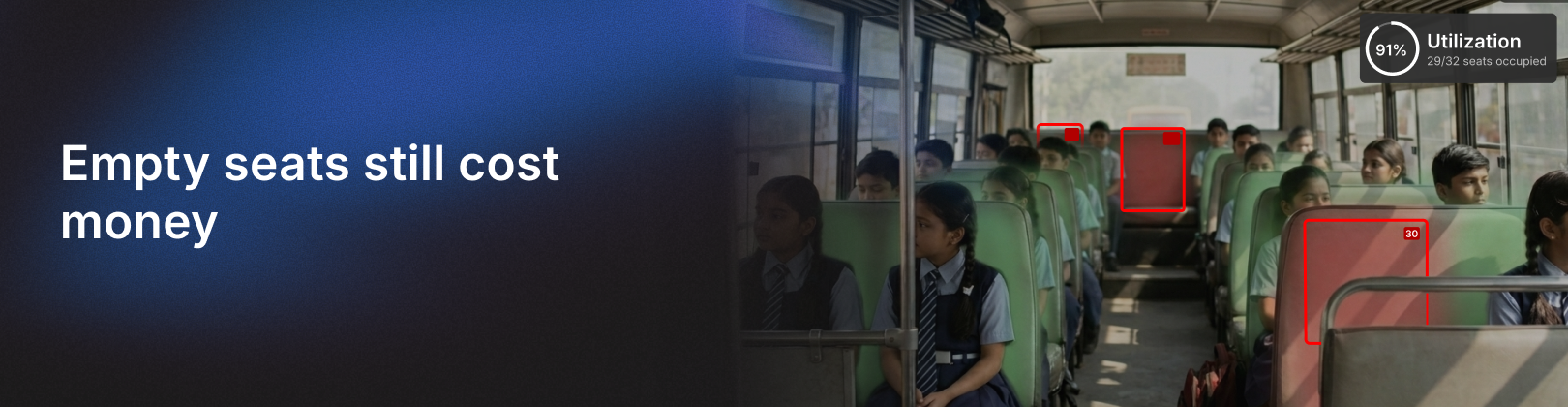
Most transport fleets operate under the assumption that buses run at full or near-full capacity.
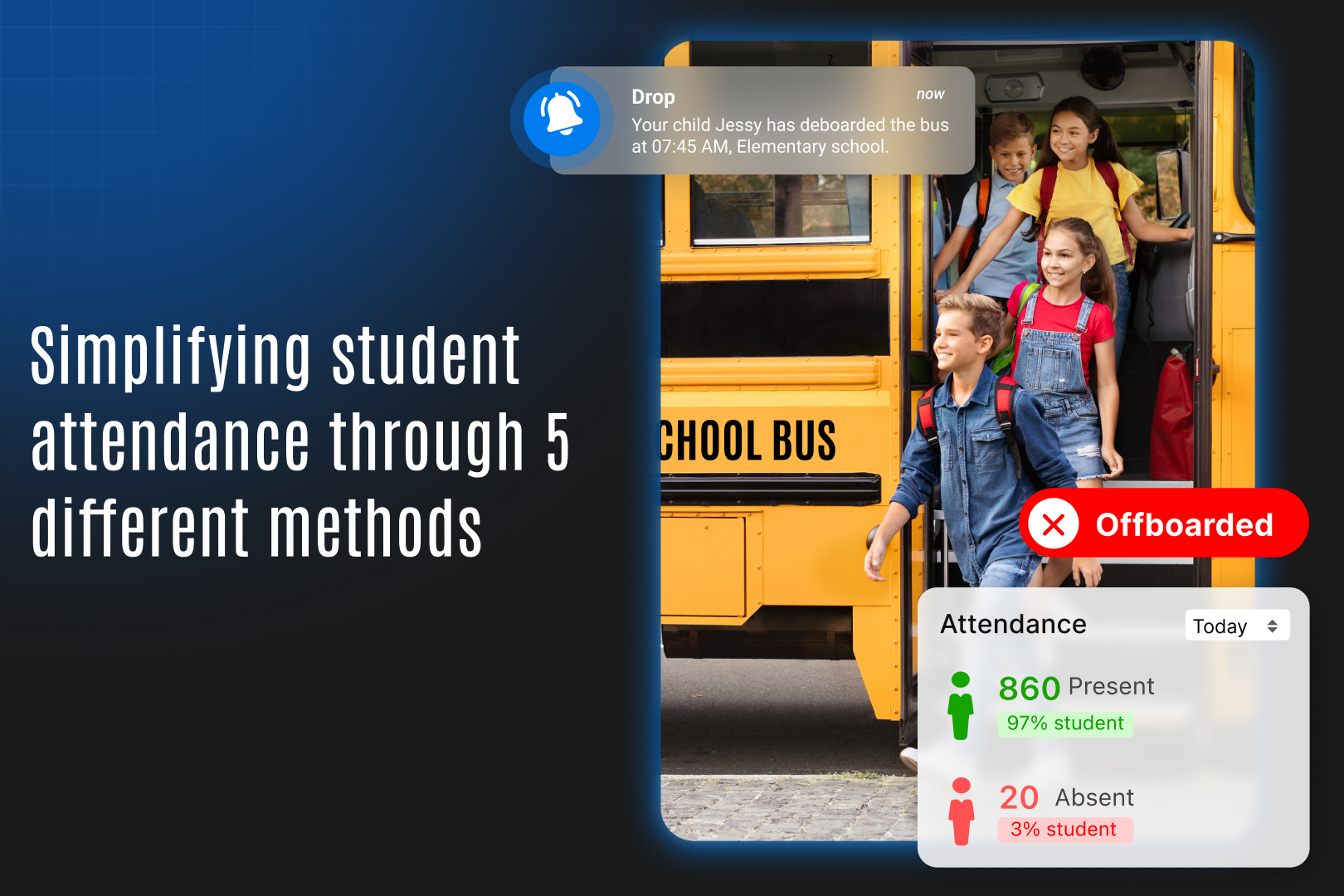
However, student attendance changes daily because of leaves, absences, exams, or school events.
Without real-time visibility, transport teams continue operating routes exactly as planned.
As a result:
-
Vehicles run even when ridership is low
-
Fuel and driver hours are wasted
-
Fleet efficiency gradually drops
Importantly, this situation usually does not reflect poor management. Instead, it reflects the absence of timely operational data.
What changes with SmartBus
SmartBus helps transport teams make better deployment decisions by providing:
-
Daily ridership awareness
-
Smarter vehicle allocation
-
Prevention of unnecessary bus deployment
Impact: Better fleet utilization, lower per-trip costs, and stronger operational control.
3. Fuel Loss That Never Shows Up on Paper
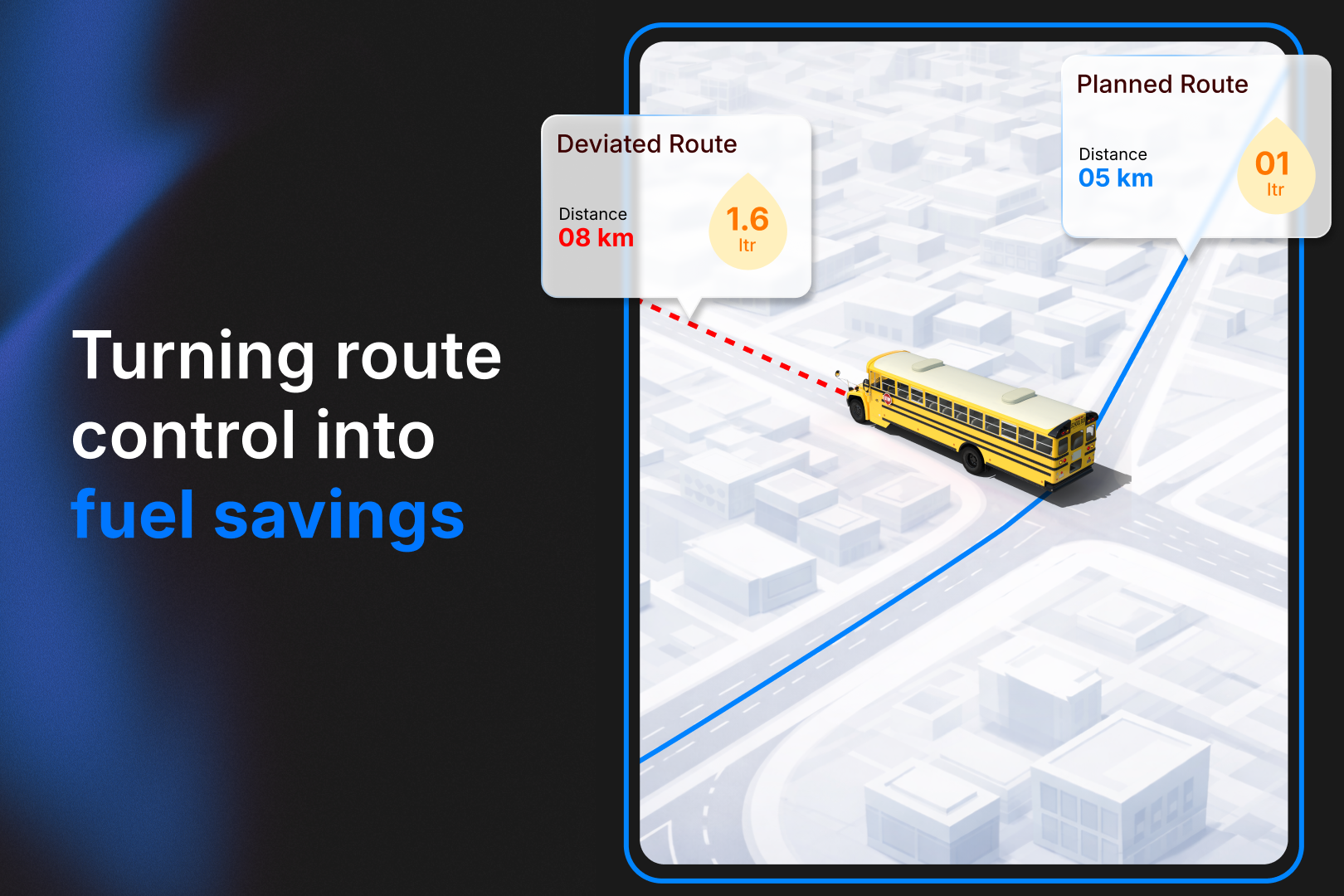
Fuel overspending rarely appears as a single major issue. Instead, it builds slowly through small operational gaps.
For example:
-
Long idle times
-
Route deviations
-
Unverified trips
-
Delayed operational reviews
Over time, these small inefficiencies quietly increase school transport costs.
What changes with SmartBus
SmartBus introduces greater operational transparency through:
-
Idle time reports
-
Trip replay for verification
As a result, transport managers gain clear accountability across trips.
Impact: Controlled fuel usage, verified operations, and reduced wastage.

The Bigger Picture: Profitability Is a Side Effect of Visibility
School transport operations are often viewed primarily through the lens of safety—and rightly so.
However, sustainable transport operations require more than safety. They require visibility, discipline, and data-driven decisions.
That’s why smart transporters don’t simply run buses.
Instead, they run systems that:
-
Reduce ambiguity
-
Improve accountability
-
Protect margins quietly, every day