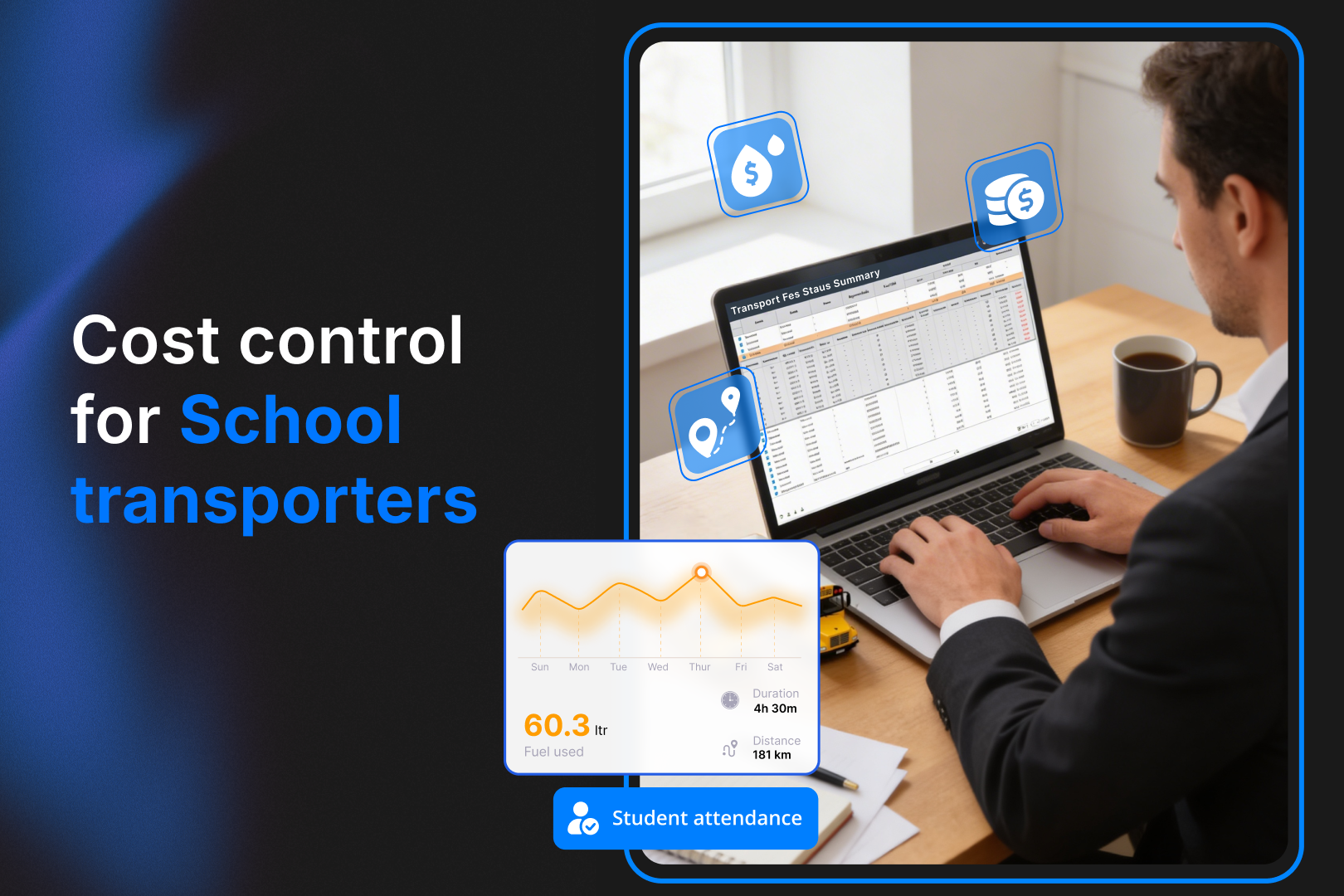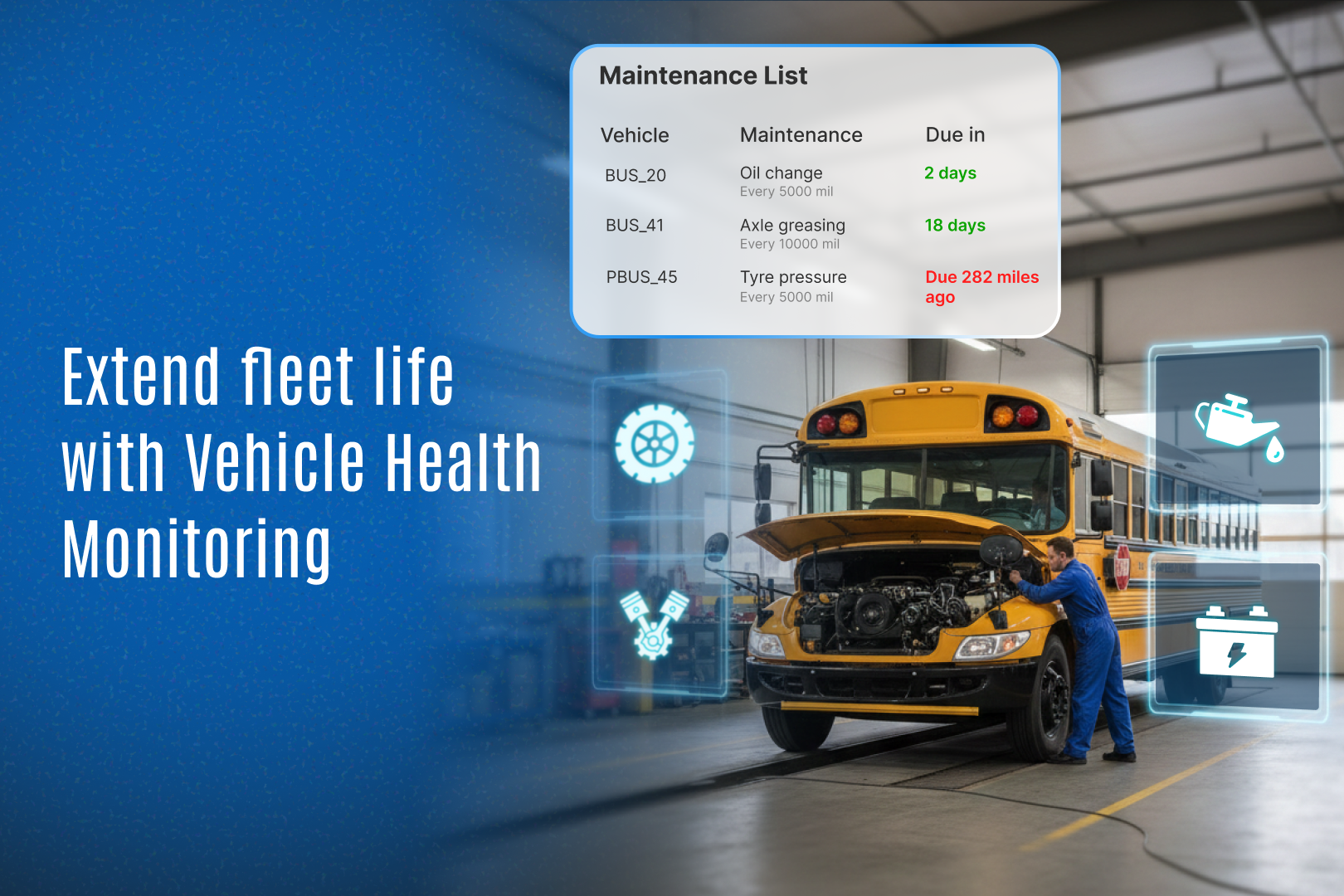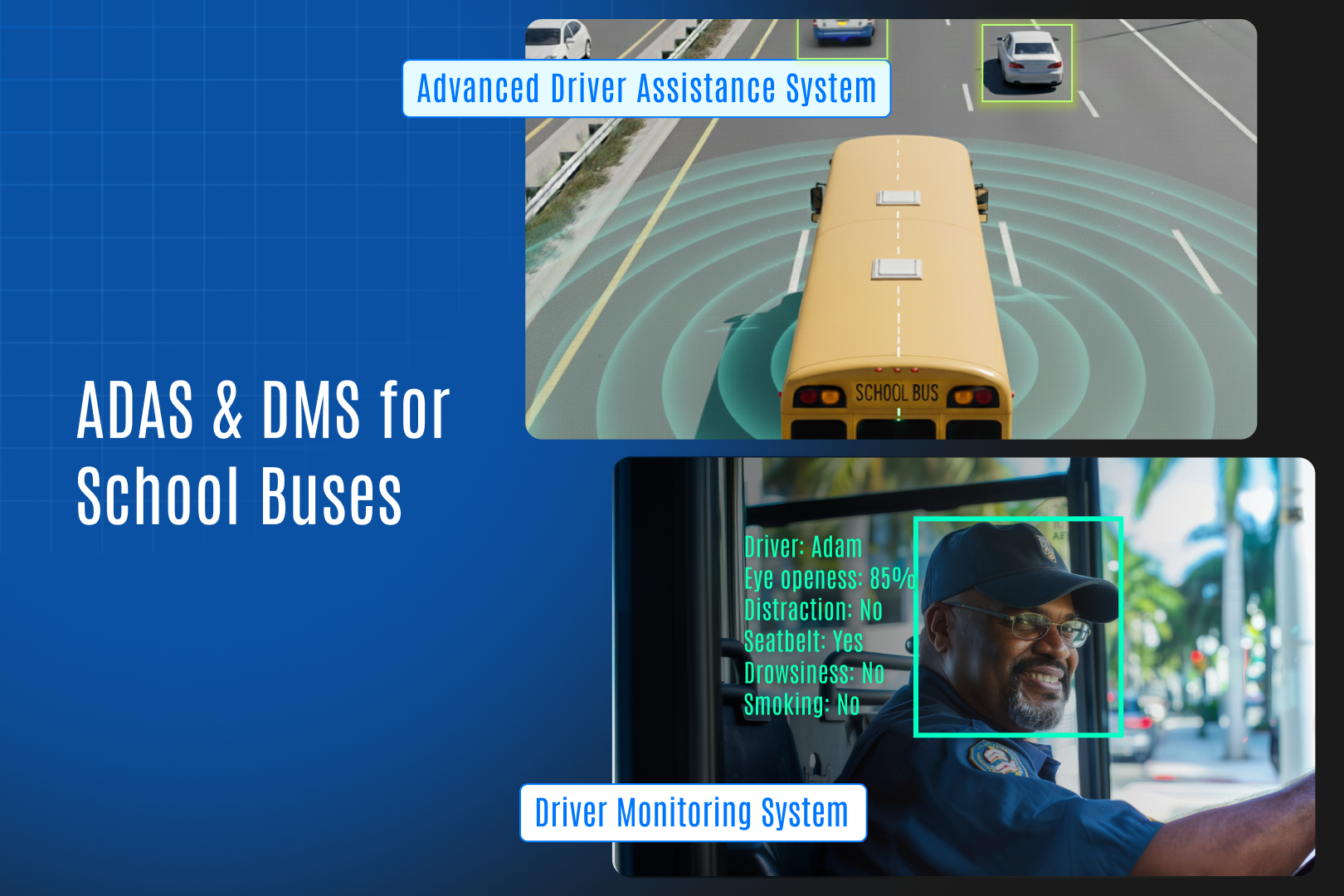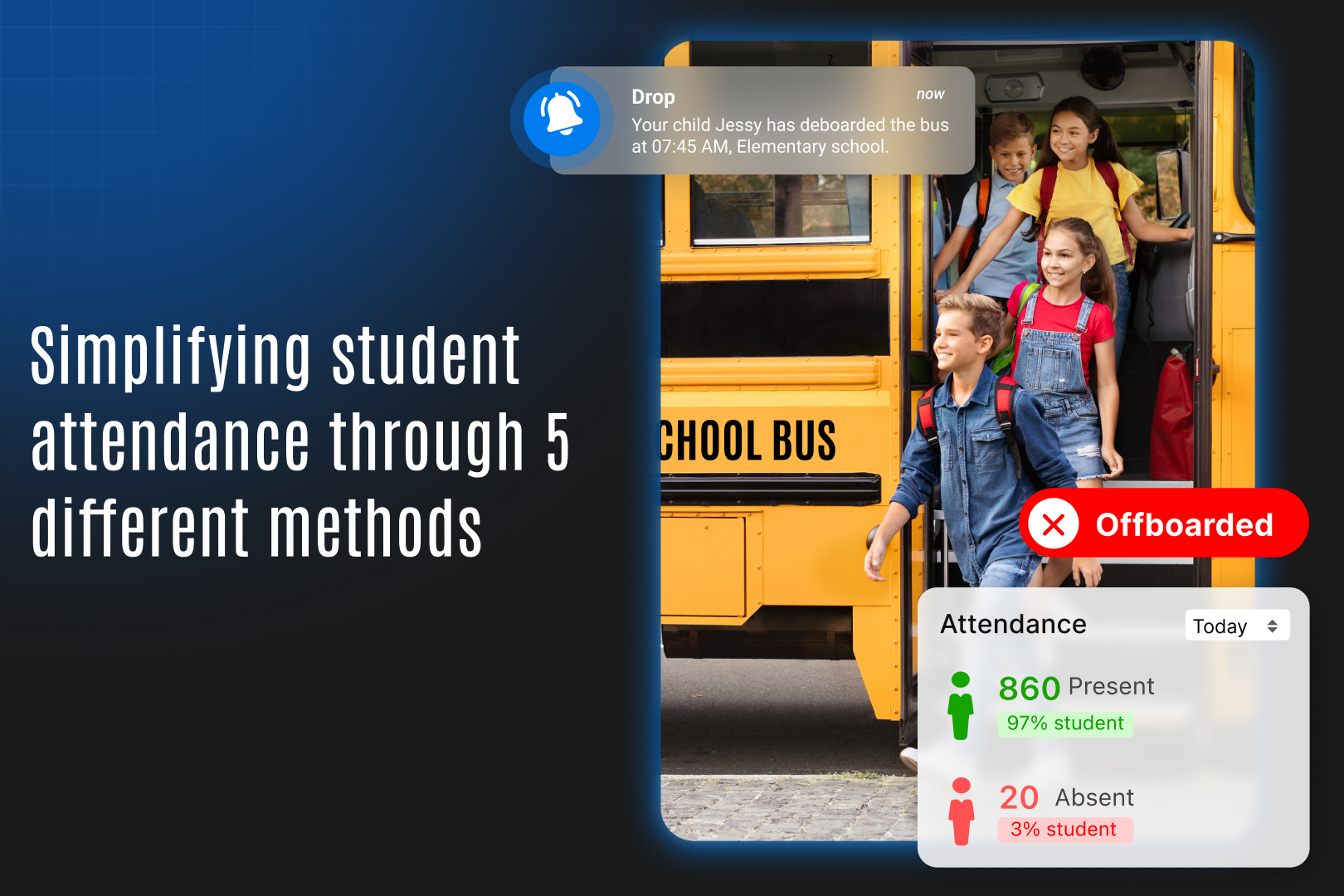
In school transportation, every kilometer matters.
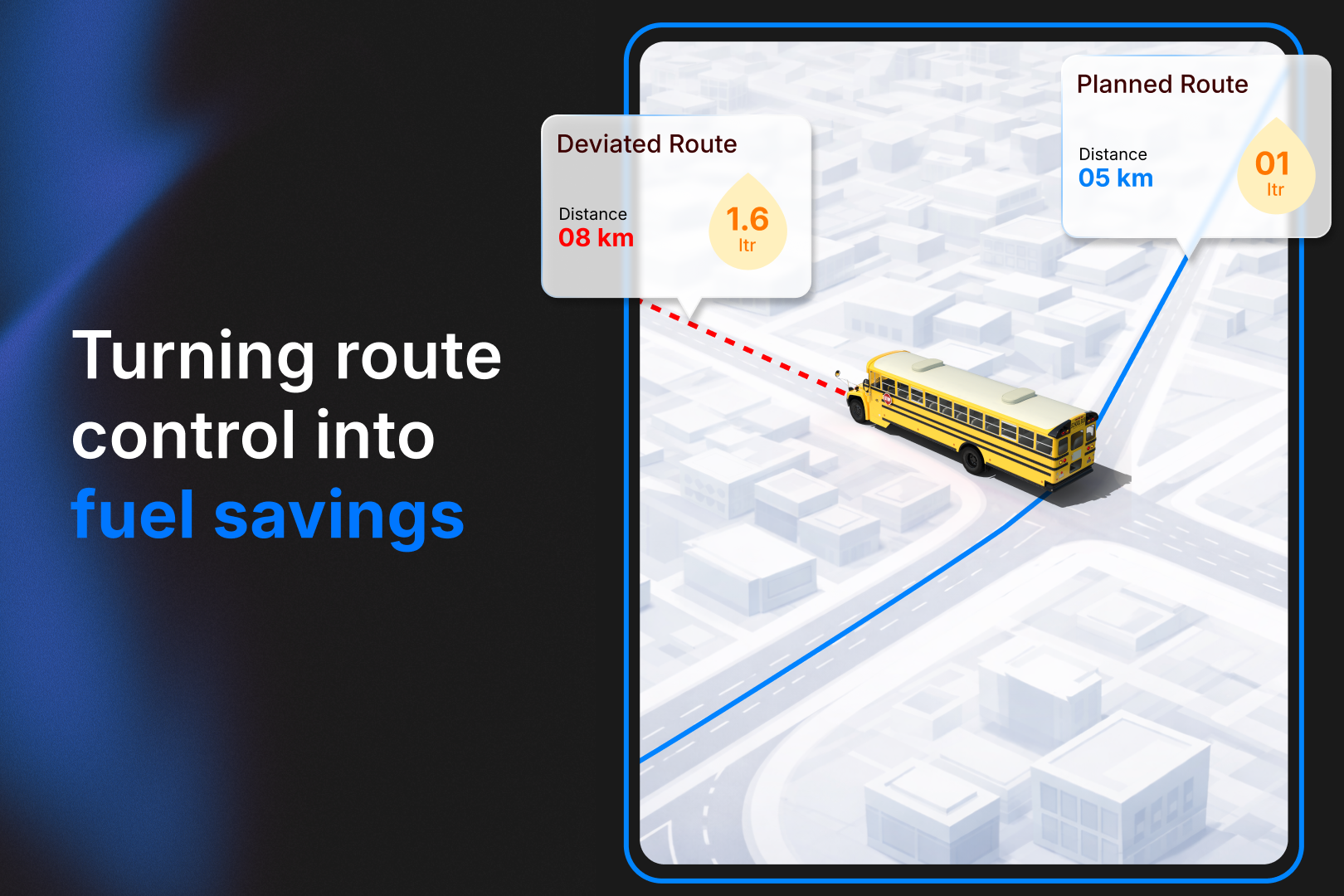
With fuel prices steadily rising, even small inefficiencies in daily bus operations can quickly turn into significant expenses. One of the most overlooked yet impactful contributors to fuel wastage is route deviation — when school buses stray from their planned routes, intentionally or unintentionally.
For school administrators and transporters managing multiple buses, routes, and drivers, route deviations don’t just increase fuel costs; they also affect safety, punctuality, accountability, and overall operational efficiency.
This blog explores why route deviations happen, how they inflate fuel expenses, and how schools can take a smarter, technology-driven approach to control them.
What Is Route Deviation in School Transport?
Route deviation occurs when a school bus does not follow its predefined or approved route. This can include:
- Taking longer or unauthorized roads
- Making unscheduled stops
- Detours for personal convenience
- Skipping planned pickup or drop points
While a single deviation may seem harmless, repeated deviations across multiple buses, every day, can significantly impact fuel consumption and operational costs.
Why Route Deviations Increase Fuel Expenses
Fuel is one of the largest recurring costs in school transportation. Route deviations directly increase fuel usage in several ways:
1. Extra Distance, Extra Fuel
Every additional kilometer driven outside the planned route consumes more fuel. When buses regularly take longer routes, fuel expenses rise without adding any operational value.
2. Traffic-Prone Detours
Unplanned routes often pass through congested roads, increasing idling time, stop-and-go driving, and fuel burn.
3. Inconsistent Driving Patterns
Frequent deviations disrupt optimized driving patterns, leading to inefficient acceleration, braking, and engine usage.
4. Lack of Visibility
Without route monitoring, schools remain unaware of fuel leakage caused by daily route deviations, making it difficult to control costs.
Why Route Deviation Matters for School Administrators
For school admins, route deviation is not just a fuel issue — it’s an operational and safety concern.
1. Budget Control
Uncontrolled fuel expenses affect annual transport budgets, forcing schools to either absorb the cost or increase transportation fees.
2. Safety & Compliance
Approved routes are designed keeping student safety in mind. Deviations may expose students to unsafe roads, traffic-heavy zones, or unfamiliar areas.
3. Timeliness & Discipline
Route deviations often lead to delays in pickups and drop-offs, impacting school schedules and parent trust.
4. Accountability
Without route tracking, it becomes difficult to verify whether drivers are following assigned routes or misusing school vehicles.
How Route Deviations Impact Transporters & Fleet Operators
For transport contractors and fleet operators handling school buses, route deviation directly affects profitability.
- Higher fuel bills reduce margins
- Increased vehicle wear and tear
- Difficulty in driver performance evaluation
- Lack of data-driven operational control
Over time, unmanaged deviations can lead to rising operational costs and strained relationships with schools.
The Smart Way to Control Route Deviations in School Buses
Modern school transport operations require more than manual supervision. This is where smart bus management systems play a crucial role.
1. Predefined Route Mapping
Digitally define and approve school bus routes for every trip — morning and afternoon.
2. Real-Time Route Monitoring
Track buses live and identify deviations instantly, instead of discovering fuel overruns at the end of the month.
3. Deviation Alerts & Reports
Automatically receive alerts when a bus deviates from its assigned route and access historical reports for analysis.
4. Data-Driven Decision Making
Use route and fuel data to optimize routes, reduce unnecessary travel, and improve operational efficiency.
How SmartBus Helps Schools Control Fuel Costs & Route Deviations
SmartBus is designed to bring transparency and control to school transportation.
With SmartBus, schools can:
- Monitor predefined routes in real time
- Detect route deviations instantly
- Reduce unnecessary fuel consumption
- Improve driver accountability
- Ensure safer and more predictable school bus operations
By minimizing deviations, schools not only cut fuel expenses but also create a more reliable and efficient transport system for students, parents, and administrators.

Final Thoughts
In an era of rising fuel prices and increasing operational costs, ignoring route deviations is no longer an option for schools and transporters.
A small deviation today can turn into a major expense tomorrow.
By proactively monitoring routes and adopting smart transport solutions, schools can control fuel costs, improve safety, and streamline daily bus operations — all while delivering a better transportation experience.
If your school is looking to optimize fuel usage and eliminate route deviations, it’s time to take a smarter route forward.