For years, student attendance has followed a familiar routine—manual registers, roll calls, and post-trip updates shared at the end of the day. These traditional methods built discipline, but as school transportation systems expanded, they also introduced delays, human errors, and limited visibility.
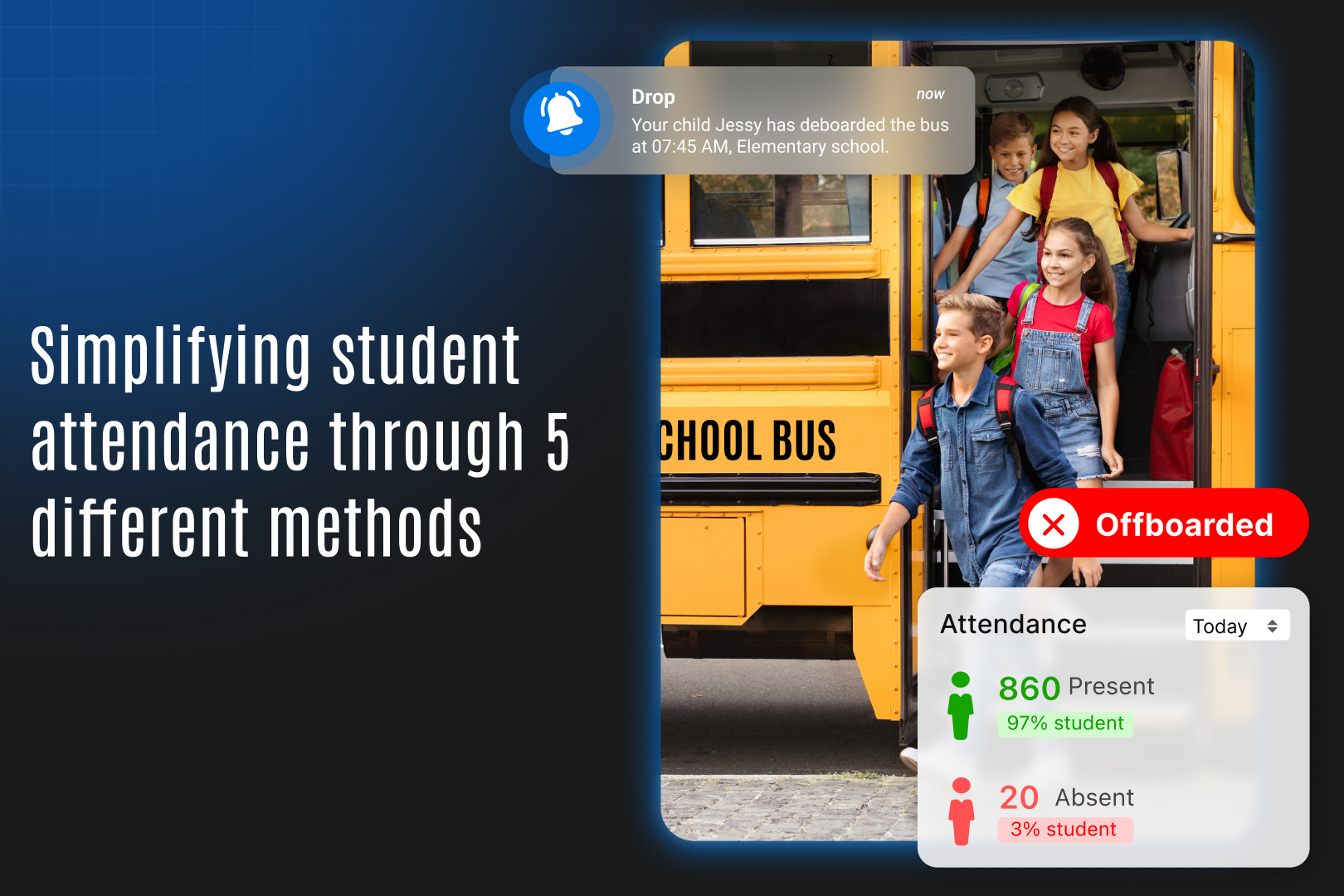
Today, schools and transport administrators need accurate, real-time student attendance data, especially during transit. Parents expect confirmation the moment their child boards or leaves the bus. Administrators need reliable records. Transport teams need proof.
This is exactly where SmartBus makes a difference.
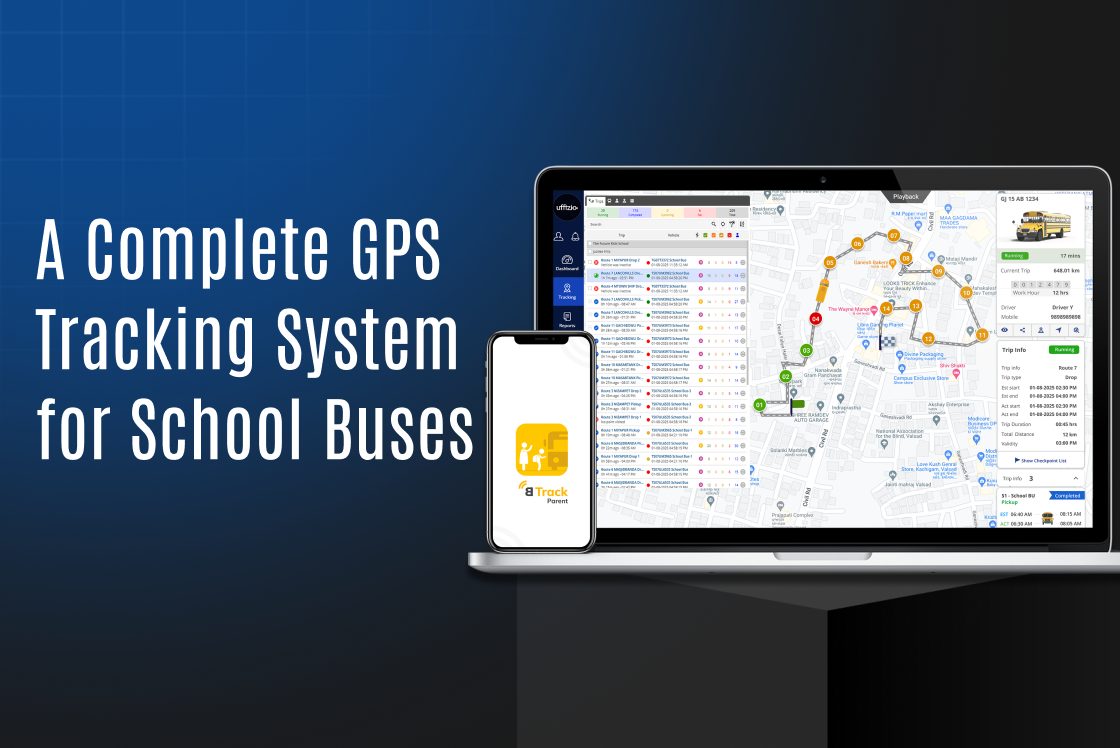
SmartBus is not just a tracking solution; it also offers a complete school bus attendance system designed to simplify how schools record, manage, and analyze student attendance during transportation. It supports five powerful attendance methods, allowing institutions to choose what best fits their operations.
In this blog, we break down all five attendance systems supported by SmartBus, explain how each works in real-life scenarios, and highlight the value they deliver to schools, students, and system integrators.
Why Student Attendance in School Transport Matters
Attendance is no longer limited to classrooms. Transportation attendance answers critical questions:
- Did the student board the correct bus?
- Was the student safely dropped at the right stop?
- Is there verifiable proof of pickup and drop-off?
A digital student attendance system connected directly to school buses ensures safety, accountability, and transparency without adding complexity to daily operations.
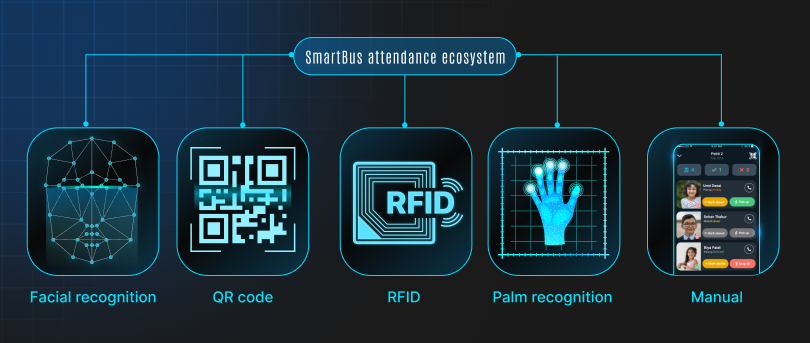
SmartBus Attendance Ecosystem: One Platform, Five Methods
SmartBus supports the following attendance systems:
- RFID Card Attendance
- Palm Reader Attendance
- QR Code Attendance
- Face Recognition Attendance
- Manual Attendance via Driver or Attendant App
All methods feed data into a centralized SmartBus dashboard, giving administrators real-time visibility and downloadable attendance reports.
1. RFID Card Attendance
How RFID Attendance Works
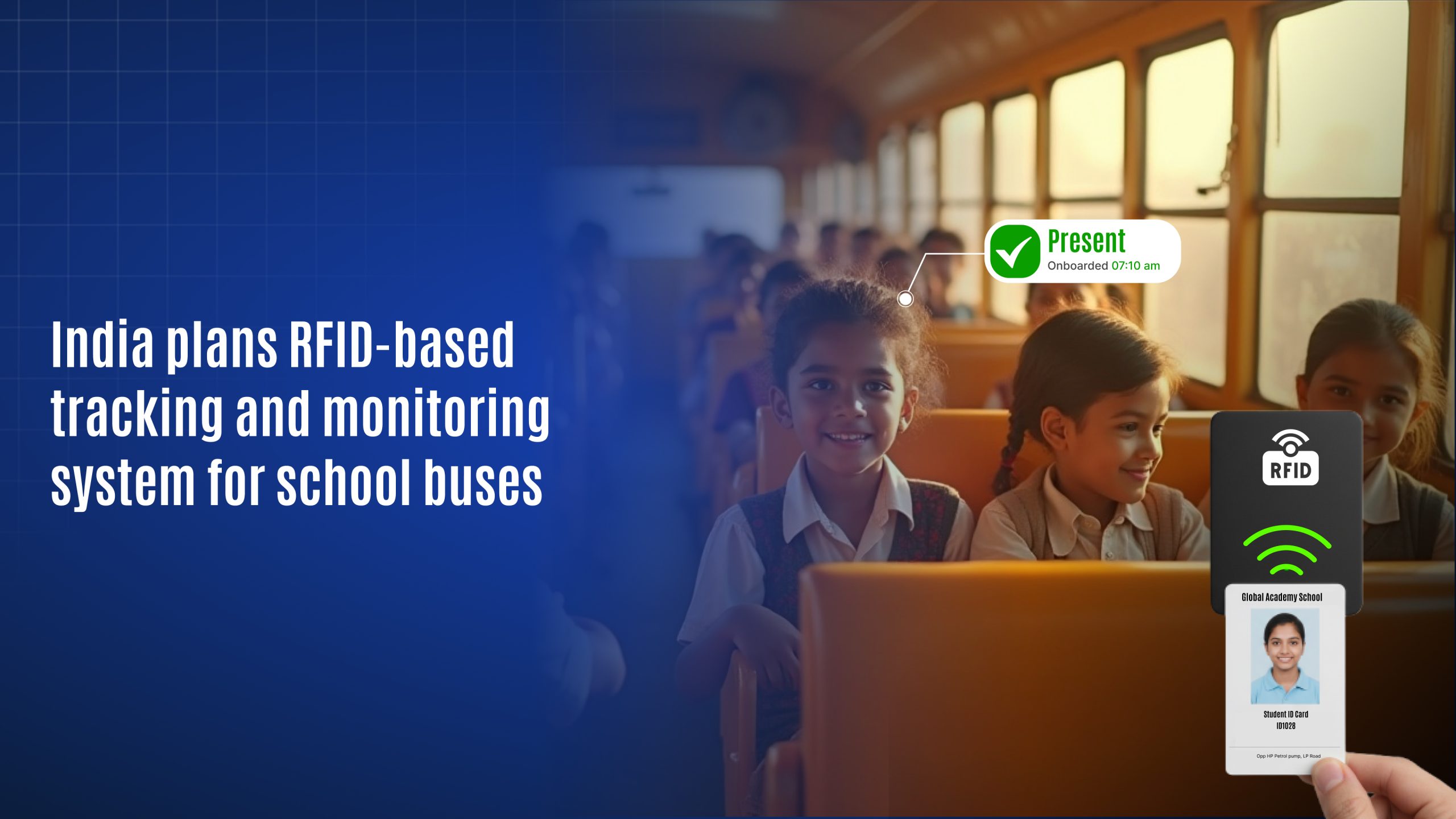
In the RFID card attendance system, each student is issued a unique RFID card mapped to their SmartBus profile. An RFID reader installed inside the bus captures attendance when the student taps the card while boarding or deboarding.
The system instantly records:
- Student identity
- Boarding or drop-off time
- Bus and route details
- Pickup or drop status
This data syncs automatically with the SmartBus platform.
Key Benefits
- Fast and accurate student attendance
- Works well for large student volumes
- Proven and widely accepted technology
- Minimal boarding delays
RFID attendance remains one of the most reliable solutions for structured school environments.
2. Palm Reader Attendance
How Palm Reader Attendance Works
Palm Reader attendance uses biometric palm scanning to identify students. Each student’s palm pattern is registered once and stored securely in the SmartBus system. When boarding the bus, the student places their palm on the scanner, and attendance is recorded automatically.
Key Benefits
- Accurate biometric authentication
- No cards, tags, or external IDs required
- Prevents proxy attendance
- High security and reliability
Palm Reader attendance is ideal for schools that prioritize biometric-based student attendance verification.
3. QR Code Attendance
How QR Code Attendance Works
In QR code attendance, each student receives a unique QR code linked to their SmartBus profile. The QR code can be printed on ID cards or accessed digitally. A driver or attendant scans the code using the SmartBus mobile app.
Attendance is logged instantly with time and trip details.
Key Benefits
- Cost-effective and easy to deploy
- No specialized hardware required
- Ideal for quick digital adoption
- Reliable for small and mid-sized fleets
QR code attendance is a practical choice for schools transitioning from manual systems.
4. Face Recognition Attendance
How Face Recognition Attendance Works
The face recognition attendance system uses AI-powered facial recognition technology. Students’ faces are registered in advance. When they board the bus, the system identifies them automatically using onboard cameras or mobile devices.
Attendance is captured without any physical interaction.
Key Benefits
- Fully contactless attendance
- Highly secure and tamper-proof
- Eliminates proxy or fake attendance
- Ideal for high-compliance institutions
The facial recognition system represents the future of automated bus attendance systems.
5. Manual Attendance via Driver or Attendant App
How Manual Attendance Works
SmartBus also supports manual attendance through the Driver or Attendant mobile app. Attendance can be marked with timestamps, trip details, and optional remarks.
Key Benefits
- Flexible and reliable fallback option
- Ensures attendance continuity
- Useful during temporary or special trips
Manual attendance complements automated methods, ensuring no data gaps.

Centralized Attendance Dashboard and Reports
All attendance methods integrate into a single SmartBus dashboard, offering:
- Real-time student attendance visibility
- Trip-wise and date-wise attendance reports
- Downloadable records for audits
- Parent notifications and alerts
- Historical attendance and trip data
This turns attendance from a daily task into actionable data.
Final Thoughts
Attendance is more than a checkbox—it reflects safety, discipline, and trust. With RFID attendance, Palm Reader, QR code attendance, face recognition attendance, and manual attendance, SmartBus offers unmatched flexibility for modern school transportation.
If you are a system integrator or ERP integrator looking to deliver a reliable, scalable bus attendance system, SmartBus gives you a proven platform that adapts to every school’s needs.