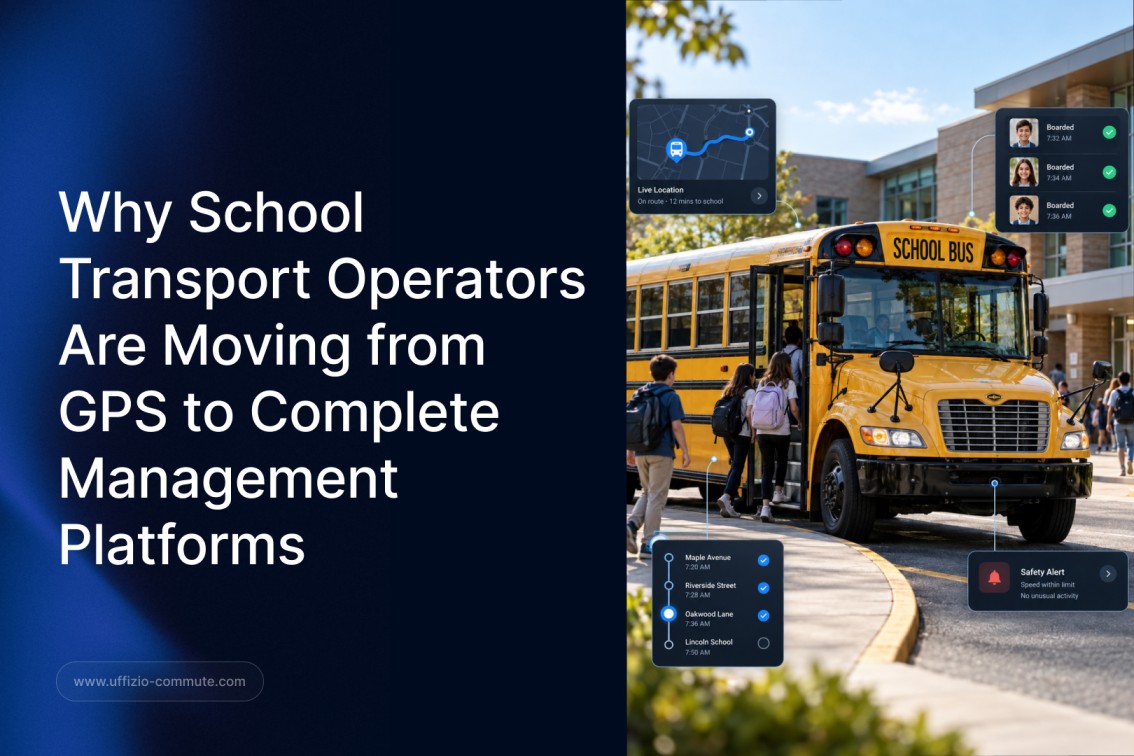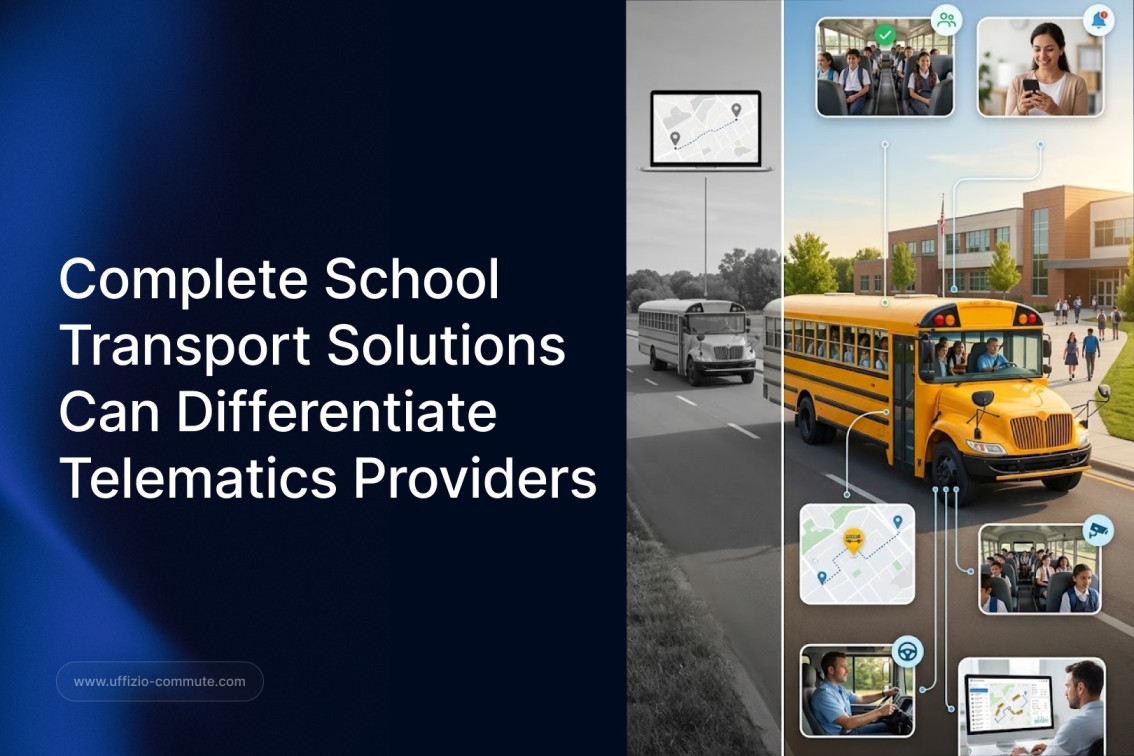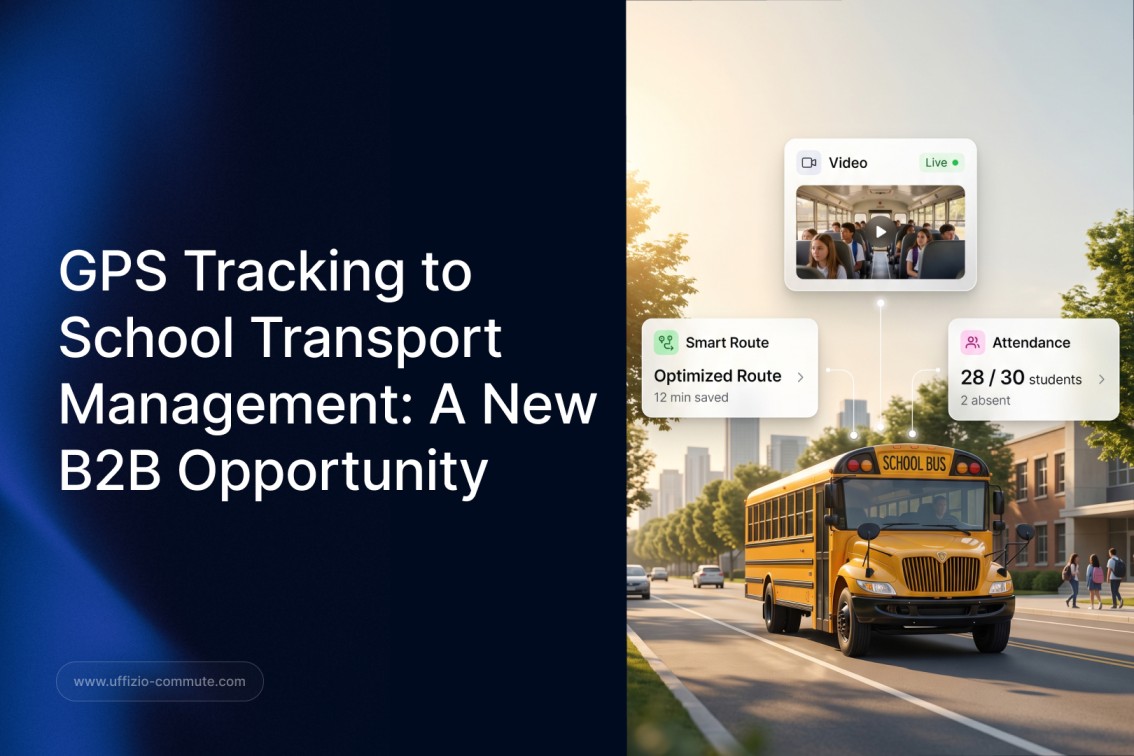
For telematics companies, school transport represents an opportunity to expand beyond traditional vehicle tracking and build long-term business relationships. Schools, fleet operators, and transport service providers are increasingly looking for solutions that help them manage daily operations, improve student safety, and communicate more effectively with parents.
However, winning School Transport Contracts requires more than offering GPS devices and vehicle location data. Buyers want solutions that address real operational challenges, reduce manual work, and provide measurable value.
In markets such as Ghana, Nigeria, Tanzania, Kenya, and Indonesia, telematics providers can strengthen their position by combining reliable tracking technology with complete school transport management capabilities.
Let’s explore how telematics companies can attract more school transport customers and build a stronger B2B business.
Move Beyond Basic GPS Tracking
GPS tracking remains an important part of school transportation. It helps schools and transport operators know where their buses are, monitor vehicle movement, and review trip history.
But today, customers expect more than a location on a map.
Schools need to manage students, drivers, routes, attendance, parent communication, and daily transport operations. When these requirements are handled through separate tools or manual processes, operational complexity increases.
Offering advanced GPS Tracking Software with complete transport management capabilities can help telematics companies stand out from competitors.
Instead of selling only vehicle tracking, providers can offer a solution that supports the entire school transportation workflow.
This approach allows telematics businesses to position themselves as technology partners rather than simply GPS vendors.
Understand What Schools and Transport Operators Really Need
Before approaching potential customers, telematics companies should understand the challenges faced by their target audience.
Schools may struggle with:
- Limited visibility into daily bus operations.
- Difficulty communicating bus arrival updates to parents.
- Manual student attendance tracking.
- Inefficient route planning and management.
- Delays in identifying unexpected route changes.
- Limited access to trip reports and operational data.
School transport operators face additional challenges, including managing multiple schools, coordinating drivers, handling several routes, and maintaining fleet efficiency.
A successful sales approach focuses on solving these problems instead of simply explaining technical features.
For example, rather than saying, “Our platform offers real-time GPS tracking,” explain how it can help a school monitor buses, improve parent communication, and simplify daily transport management.
This makes the conversation more relevant to decision-makers.
Offer Live School Bus Tracking with Parent Communication
Parents want to know whether their children have boarded the bus, where the bus is, and when it is expected to arrive.
Live School Bus Tracking helps schools provide greater visibility into transportation activities. However, tracking becomes more valuable when combined with communication features.
Telematics companies can offer capabilities such as:
- Real-time bus location updates.
- Estimated arrival times.
- Bus arrival and departure notifications.
- Student boarding and drop-off alerts.
- Parent-facing mobile applications.
- Trip status notifications.
These features help schools improve parent engagement and reduce the number of calls related to bus locations and delays.
For telematics providers, parent communication can become a strong differentiator when competing for School Transport Contracts.
A solution that supports both fleet visibility and parent convenience is more attractive than one focused only on vehicle location.
Provide Complete School Transport Management
One of the most effective ways to win more customers is to offer a complete platform that supports daily transport operations.
School Transport Management involves much more than tracking buses. It includes managing students, routes, drivers, trips, attendance, notifications, and reporting.
A comprehensive platform can help customers:
- Manage student and vehicle information centrally.
- Organize routes and daily trips.
- Monitor drivers and transport activities.
- Track student attendance.
- Access reports and operational insights.
- Manage multiple schools and fleets from one platform.
For telematics companies, this creates opportunities to serve customers with more complex requirements.
It also helps increase the value of the solution by supporting additional services and software capabilities alongside GPS tracking.
Build Strong Partnerships with School Transport Operators
Schools are not the only potential buyers in this market. School Transport Operators can be valuable partners and customers for telematics companies.
Many operators manage transportation services for multiple schools. They need technology that supports fleet management, route coordination, student monitoring, and operational reporting.
Telematics providers can approach these businesses with solutions that help them:
- Manage transportation for multiple schools.
- Improve fleet utilization.
- Monitor routes and trips more efficiently.
- Reduce manual coordination.
- Provide better service to school clients.
- Expand operations without increasing administrative complexity.
By understanding the operator’s business model, providers can present a solution that supports both operational efficiency and business growth.
This can help build long-term relationships and create opportunities for additional deployments.
Adapt Your Sales Approach to Local Market Needs
School transportation requirements can vary across different countries. Telematics companies should avoid using the same sales message for every market.
In Ghana, Nigeria, Tanzania, and Kenya, providers may encounter schools and transport businesses looking to improve visibility, safety, and coordination across their fleets.
In Indonesia, telematics companies can explore opportunities with school groups, transport operators, and technology businesses looking to modernize transportation management.
The key is to understand the customer’s current infrastructure, operating challenges, and budget expectations.
A practical sales strategy should include:
- Identifying schools and transport operators with active fleets.
- Connecting with decision-makers responsible for transportation.
- Understanding existing GPS and fleet management systems.
- Demonstrating relevant features instead of every platform capability.
- Offering solutions that can scale as operations grow.
Local market knowledge and a clear understanding of customer requirements can improve the quality of sales conversations.
Use Demonstrations to Show Real Business Value
A product demonstration is one of the most important steps in winning School Transport Contracts.
Instead of presenting a long list of features, telematics companies should demonstrate how the platform solves specific customer problems.
For example, a demo can show:
- How a school monitors a bus in real time.
- How parents receive bus arrival notifications.
- How student attendance is recorded.
- How administrators manage routes and trips.
- How reports help review transportation performance.
A focused demonstration helps decision-makers understand how the solution fits into their daily operations.
It is also useful to customize demos for different audiences. A school administrator may prioritize student safety and parent communication, while a transport operator may focus on fleet efficiency and operational control.
Showing the right features to the right audience can make the sales process more effective.
Strengthen Your Product Offering Through White-Label Solutions
Developing a complete school transport platform internally can require significant investment in software development, testing, maintenance, and support.
For GPS and telematics companies that want to enter this market faster, a white-label solution can provide another opportunity.
With a white-label school transport platform, providers can offer software under their own brand while using an established technology solution.
This can help businesses:
- Expand their product portfolio.
- Enter the school transportation market faster.
- Offer more value to existing GPS customers.
- Create additional software revenue opportunities.
- Reduce the burden of developing every feature internally.
A white-label approach can be particularly useful for telematics companies that already have customer relationships but need more advanced software capabilities.

Conclusione
Winning more School Transport Contracts requires telematics companies to understand what schools and transport operators need beyond GPS tracking.
Customers are looking for solutions that improve visibility, simplify transportation management, support parent communication, and help them manage growing fleets efficiently.
By combining reliable GPS Tracking Software, Live School Bus Tracking, and complete School Transport Management capabilities, telematics providers can differentiate their offerings and create stronger customer relationships.
For businesses targeting Ghana, Nigeria, Tanzania, Kenya, and Indonesia, the opportunity is to move beyond basic tracking and deliver technology that solves everyday school transportation challenges.