For many schools, GPS tracking is the first step toward improving visibility in school transport. Knowing where a bus is, whether it is moving, and when it may reach a stop can make daily transportation easier to manage.
But as school transport operations grow, many schools discover that knowing the vehicle location is only one part of the problem.
A school may start with a few buses and basic GPS tracking. Over time, the fleet grows, routes become more complex, student numbers increase, parents expect faster updates, and transport teams take on more responsibilities. At that stage, traditional GPS tracking can begin to feel limited.
This is where schools start looking beyond basic GPS Tracking Software toward more complete School Transport Software that can connect tracking, attendance, route management, communication, reporting, and daily operations in one platform.
GPS Tracking Is Useful, but It Is Only the Starting Point
That information is valuable. Transport managers can monitor vehicle locations, check routes, and improve visibility across the fleet.
However, school transportation involves much more than vehicles.
Transport teams also need to know:
- Which students boarded the bus?
- Has a student missed the trip?
- When will the bus reach a particular stop?
- Has the driver followed the planned route?
- How should parents be informed about delays?
- What happens when a route needs to change?
- Which buses are being used efficiently?
- Can transport managers review previous trip information?
- How can schools identify recurring operational problems?
As these questions become part of everyday operations, basic GPS tracking may no longer provide everything the school needs.
Why Schools Eventually Outgrow Traditional GPS Tracking
The problem is usually not that GPS stops working.
The problem is that school transport becomes more complicated than GPS alone can manage.
A small school with a limited number of buses may be comfortable with basic vehicle tracking. But when the operation expands, several challenges start appearing.
1. More Buses Mean More Operational Complexity
Managing five buses is very different from managing 50 or 100.
As the fleet grows, transport teams need visibility across multiple vehicles, routes, drivers, checkpoints, and trips at the same time.
Checking individual vehicles through a basic tracking system can become inefficient.
A modern platform should help transport managers get a broader operational view instead of simply showing vehicle locations on a map.
2. Parents Expect More Than a Moving Bus Icon
Parents increasingly expect clear and timely information about their children’s school journeys.
Basic GPS tracking may show the vehicle location, but parents often need more practical information.
They may want to know whether the bus has started its trip, when it is approaching the pickup point, or whether a delay has occurred.
Live School Bus Tracking can provide real-time visibility, but its value increases when it is connected with alerts, student information, and parent communication.
The goal is not simply to show a bus on a map.
The goal is to make the school journey more predictable for parents.
3. Student Attendance Becomes a Separate Challenge
Vehicle tracking tells schools where the bus is.
It does not automatically answer who is actually on the bus.
Student attendance is an important part of school transport operations. When attendance is handled manually through registers, spreadsheets, or separate processes, transport teams may spend significant time coordinating information.
This creates an opportunity for School Transport Software to connect vehicle movement with student and trip information.
Instead of managing different systems, schools can bring more transport processes into one operational environment.
4. Route Management Gets Harder as Fleets Grow
School routes are rarely static.
Students move, pickup locations change, traffic conditions vary, and schools may add or remove stops. Drivers can also face unexpected road closures or delays.
A basic GPS can show where the vehicle currently is, but it may not provide the complete operational tools needed to manage route changes.
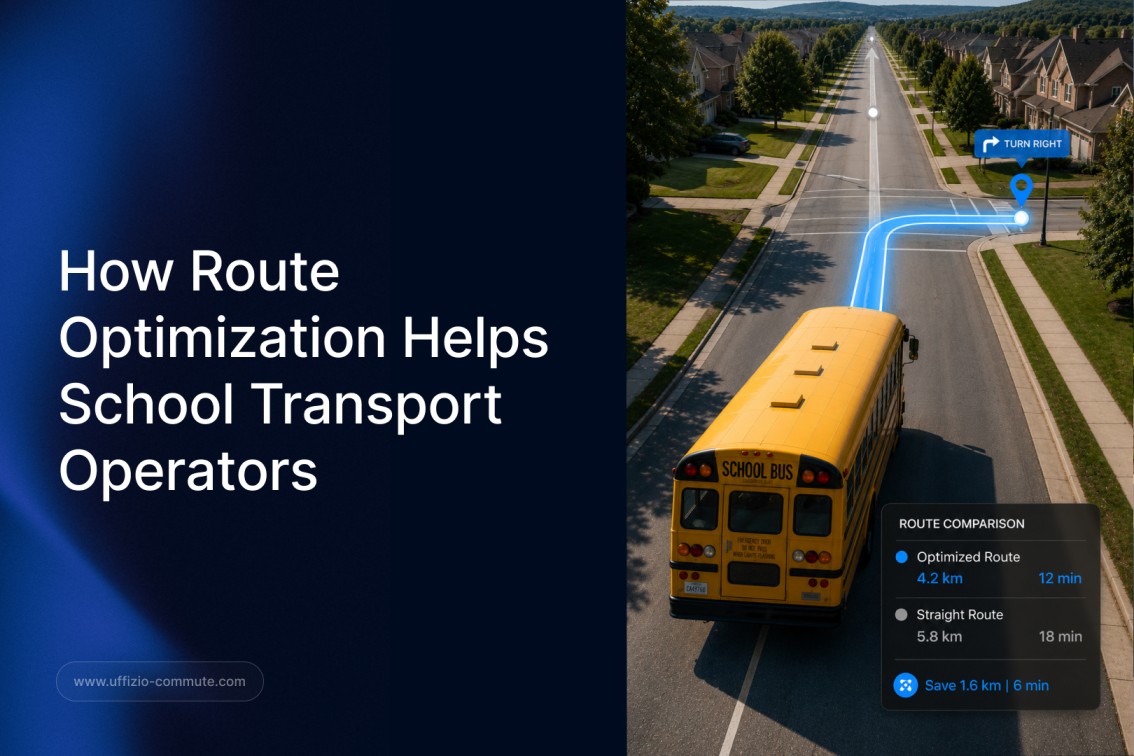
Moderne Logiciel de transport scolaire can help transport teams plan routes, monitor trips, manage checkpoints, and respond to operational changes more efficiently.
This becomes particularly important for large school networks and transport operators managing multiple routes.
The Shift from GPS Tracking to Complete School Transport Management
This is where the market is changing.
Schools are not necessarily replacing GPS because GPS is outdated. Instead, they are moving from GPS as a standalone solution to GPS as part of a broader transport management system.
GPS remains the foundation.
But around that foundation, schools need additional capabilities.
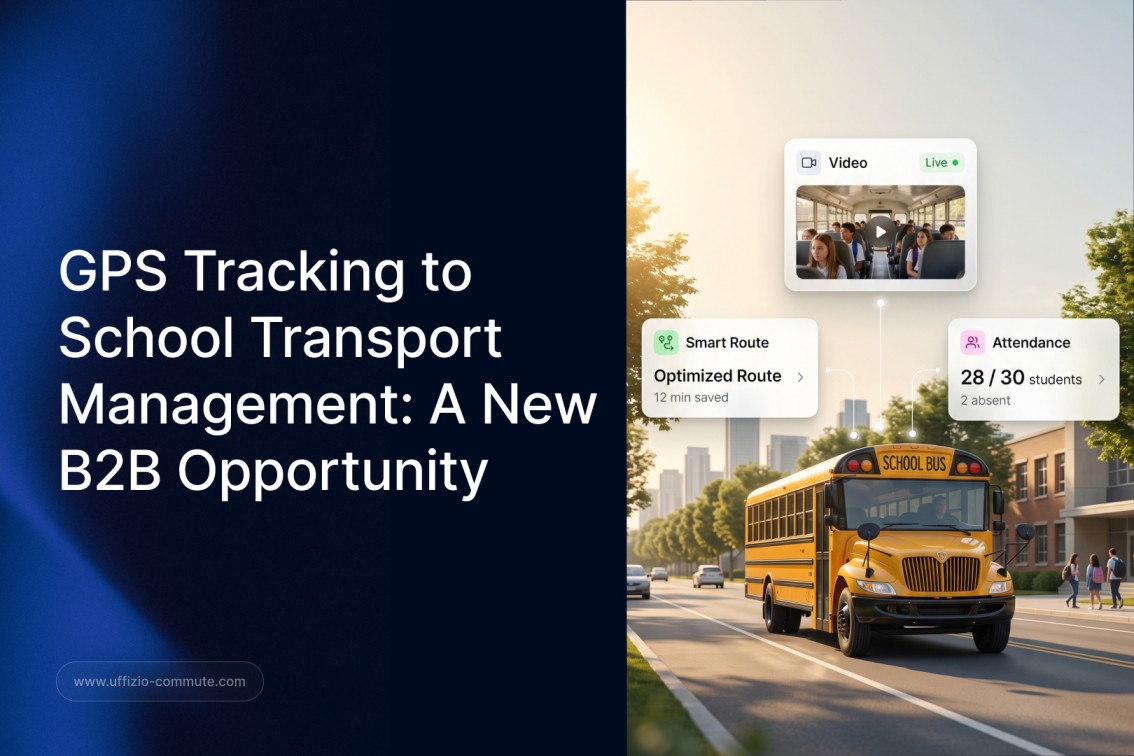
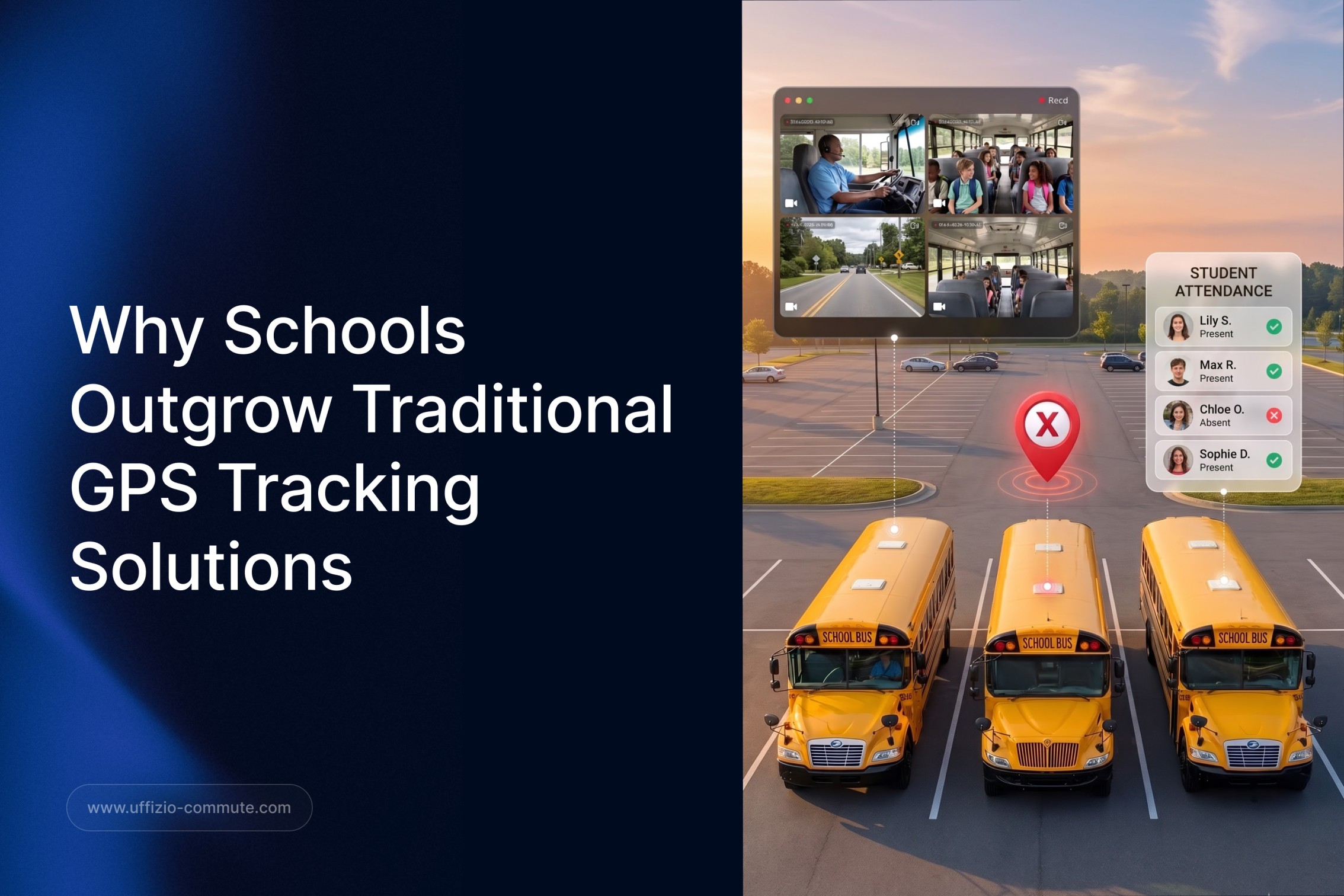
A complete School Transport Software solution can bring together:
- Suivi des véhicules en temps réel
- Student attendance
- Parent communication
- Driver and trip management
- Route management
- Alerts and notifications
- Transport dashboards
- Reports and analytics
- Historical trip information
- Operational visibility
This creates a connected environment where transport teams can manage more than vehicle locations.
Live School Bus Tracking Becomes More Valuable When It Is Connected
Live School Bus Tracking is still one of the most important capabilities for modern school transportation.
But its real value comes from what happens around the live location data.
For example, a transport manager can use live tracking to identify whether a bus is running according to its expected journey. Combined with route and trip information, the same data can support better operational decisions.
Parents can also receive useful updates instead of repeatedly calling the school to ask where the bus is.
This can reduce unnecessary communication workload while improving the overall transport experience.
In other words, Live School Bus Tracking should not operate in isolation.
It should be part of a connected school transport ecosystem.
Why Manual Processes Become a Bigger Problem
Another reason schools outgrow traditional systems is that technology often exposes the limitations of manual processes.
Imagine a transport team managing:
- GPS data in one system
- Student attendance in spreadsheets
- Parent communication through phone calls
- Route information in separate documents
- Driver details in another system
- Reports prepared manually
Each process may work individually.
Together, they create unnecessary operational effort.
A School Transport Software platform can help bring these activities together, reducing the need to switch between disconnected tools.
This becomes particularly valuable when transport operations expand across multiple campuses, cities, or regions.
Regional Needs Across APAC, GCC, Africa and India
The shift toward more complete transport technology is relevant across different school transport markets, although operational requirements can vary.
In India, growing school networks and increasingly technology-aware parents are encouraging schools to improve transport visibility and communication.
Across the GCC, schools and transport operators often manage structured fleets where safety, accountability, route visibility, and operational efficiency are important priorities.
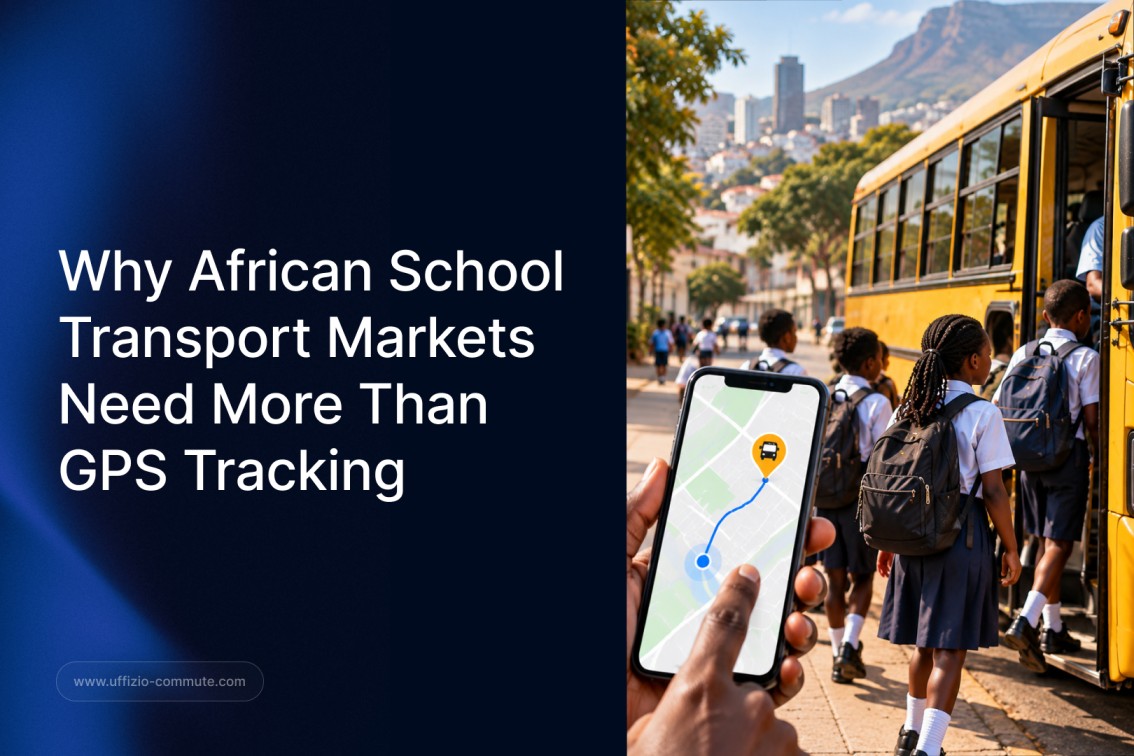
In Africa, schools and transport providers can benefit from technology that improves visibility across distributed fleets and reduces dependency on manual coordination.
Across APAC, where school transport environments can range from small operators to large education groups, scalable transport management becomes increasingly important as fleets and student populations grow.
The common requirement is simple: schools need better visibility and control as their transportation operations become more complex.
The Future Is Not GPS vs. No GPS
The future of school transportation is not about removing GPS.
GPS remains an essential technology for visibility.
The bigger change is how schools use that data.
Instead of treating GPS as the final solution, schools are increasingly looking at it as one component of a complete digital transport ecosystem.
That means combining GPS Tracking Software with student management, attendance, route management, communication, alerts, reporting, and operational analytics.
The objective is simple: less manual coordination, better visibility, faster communication, and safer school transport operations.

Conclusion
Schools often begin their digital transport journey with GPS because vehicle visibility solves an immediate problem.
Managing school transportation is not just about knowing where buses are. It is about managing students, drivers, routes, trips, parents, safety, communication, and operational performance together.
That is why schools eventually outgrow traditional GPS tracking solutions.
The next step is not necessarily to move away from GPS. It is to move beyond GPS-only tracking toward a complete School Transport Software platform where Live School Bus Tracking becomes part of a larger, connected transport operation.
For schools and transport operators across APAC, GCC, Africa, and India, this shift can help create transportation operations that are not only more visible today, but also more scalable for tomorrow.