Managing school transportation has become far more complex than it was a few years ago. Schools are expected to ensure student safety, provide accurate arrival updates, optimize routes, reduce operational costs, and respond instantly to parents’ concerns. At the same time, hiring more coordinators and administrative staff isn’t always financially viable.
This is why schools across Asia, ANZ, GCC, and Africa are shifting toward digital transportation management. Instead of expanding their workforce, they are investing in School Transport Software that automates daily operations, improves visibility, and enables smarter decision-making.
With Live School Bus Tracking and intelligent automation, schools can efficiently manage hundreds of vehicles without increasing headcount while maintaining high standards of safety and service.
Why Traditional School Transport Operations No Longer Scale
Many schools still rely on spreadsheets, phone calls, WhatsApp groups, and manual coordination to manage their transport fleet. While these methods may work for a small number of buses, they quickly become inefficient as operations grow.
Transport coordinators often spend hours every day:
- Answering parent inquiries about bus locations
- Tracking attendance manually
- Coordinating with drivers over phone calls
- Managing route changes
- Preparing daily reports
- Handling delays and emergencies
As student numbers increase, these repetitive tasks require additional staff, resulting in higher operational costs without significantly improving service quality.
The real challenge isn’t the number of buses, it’s the lack of automation.
The Cost of Increasing Headcount
Hiring more transport coordinators may temporarily solve operational challenges, but it creates long-term expenses.
Additional staffing means:
- Higher salaries
- Increased training costs
- Greater administrative overhead
- More communication gaps
- Higher chances of human error
Instead of adding people to manage growing operations, schools can automate repetitive tasks through modern School Transport Software.
Automation allows existing teams to manage larger fleets with greater efficiency.
How School Transport Software Improves Operational Efficiency
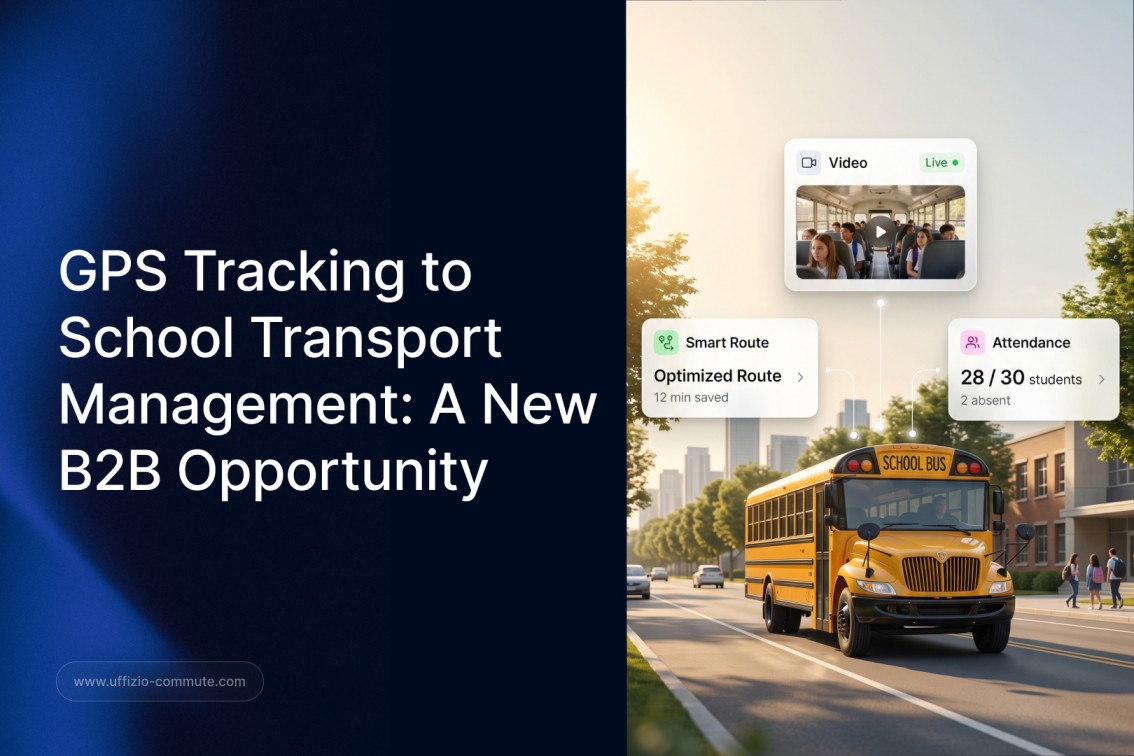
A modern School Transport Software platform centralizes every transport activity into a single dashboard.
Rather than relying on multiple phone calls and manual updates, administrators gain complete visibility of every trip in real time.
Key capabilities include:
Live School Bus Tracking
One of the biggest operational improvements comes from Live School Bus Tracking.
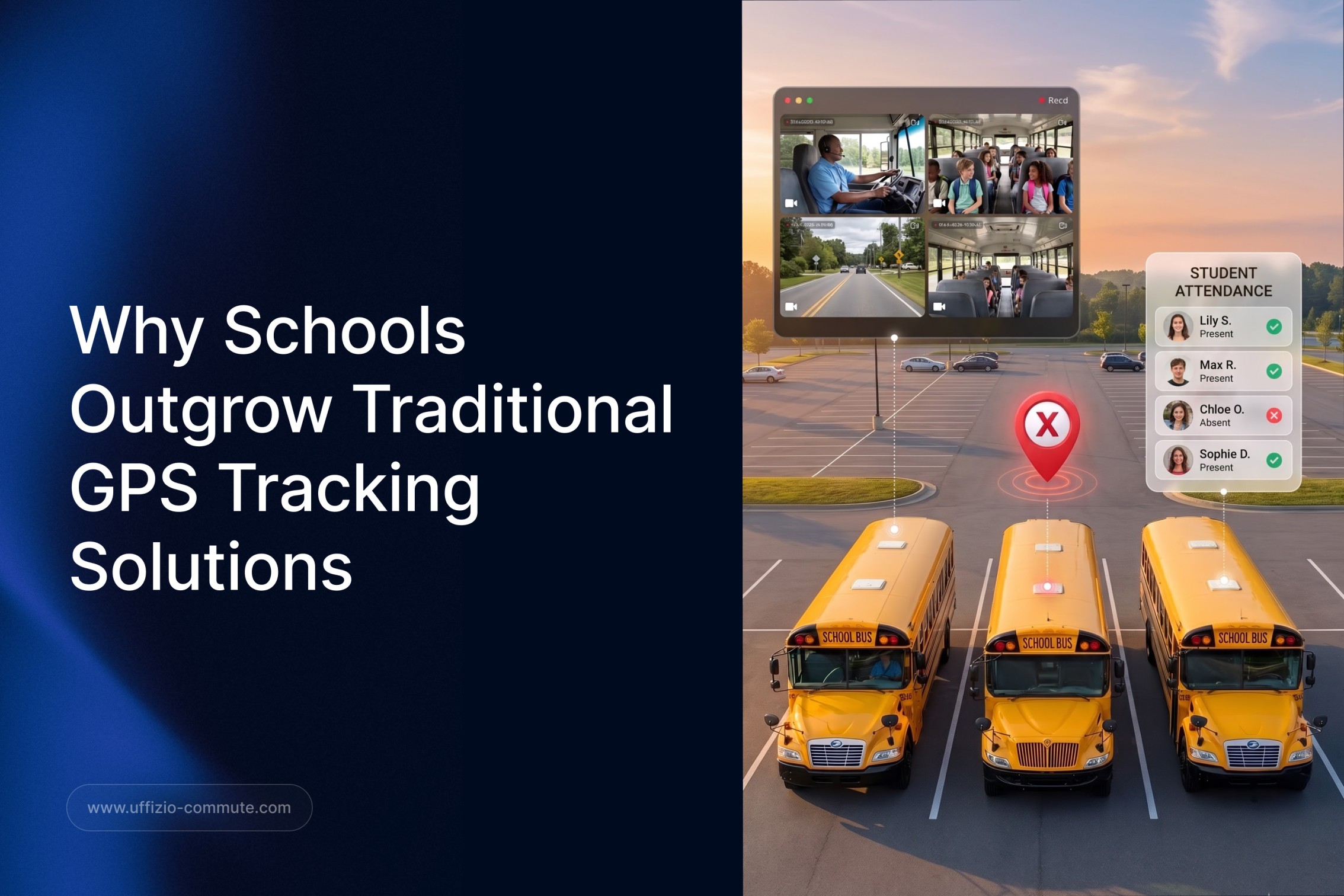
Administrators can monitor every bus on a live map, instantly identify delays, verify route compliance, and respond quickly to unexpected situations.
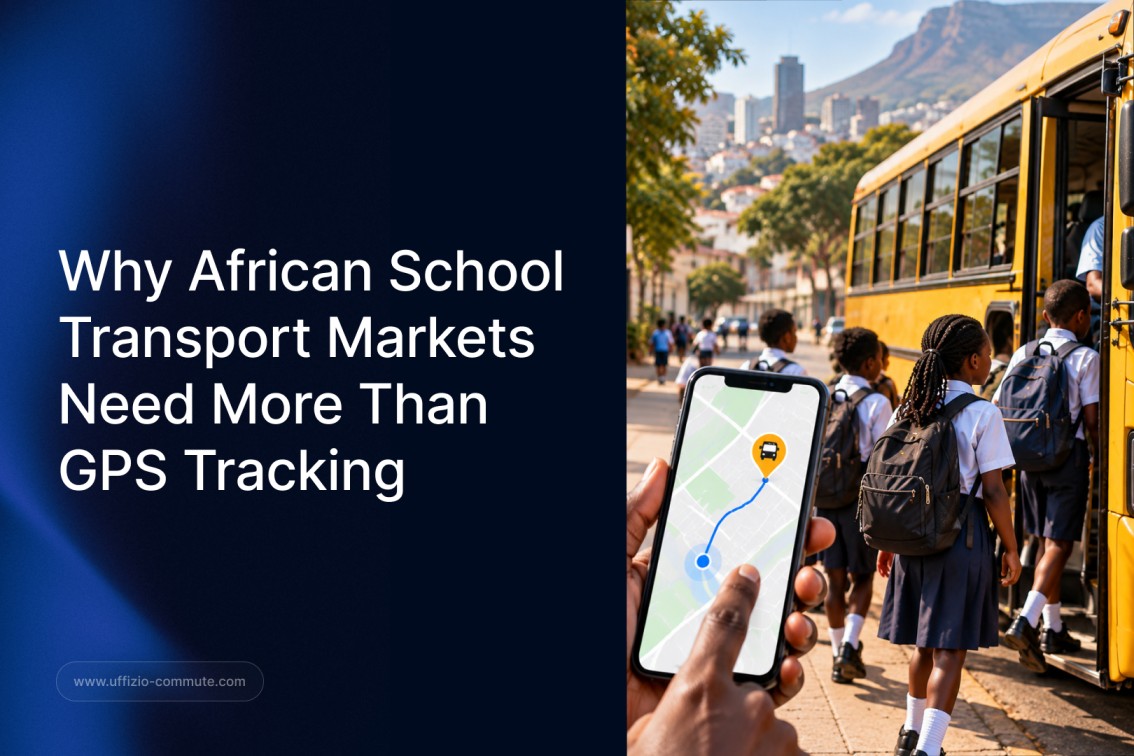
Parents also receive accurate bus location updates without contacting the school office, significantly reducing incoming inquiries.
Automated Attendance
Instead of maintaining attendance manually, schools can automatically record student boarding and drop-off events.
This reduces paperwork while improving student safety and operational accuracy.
Intelligent Route Management
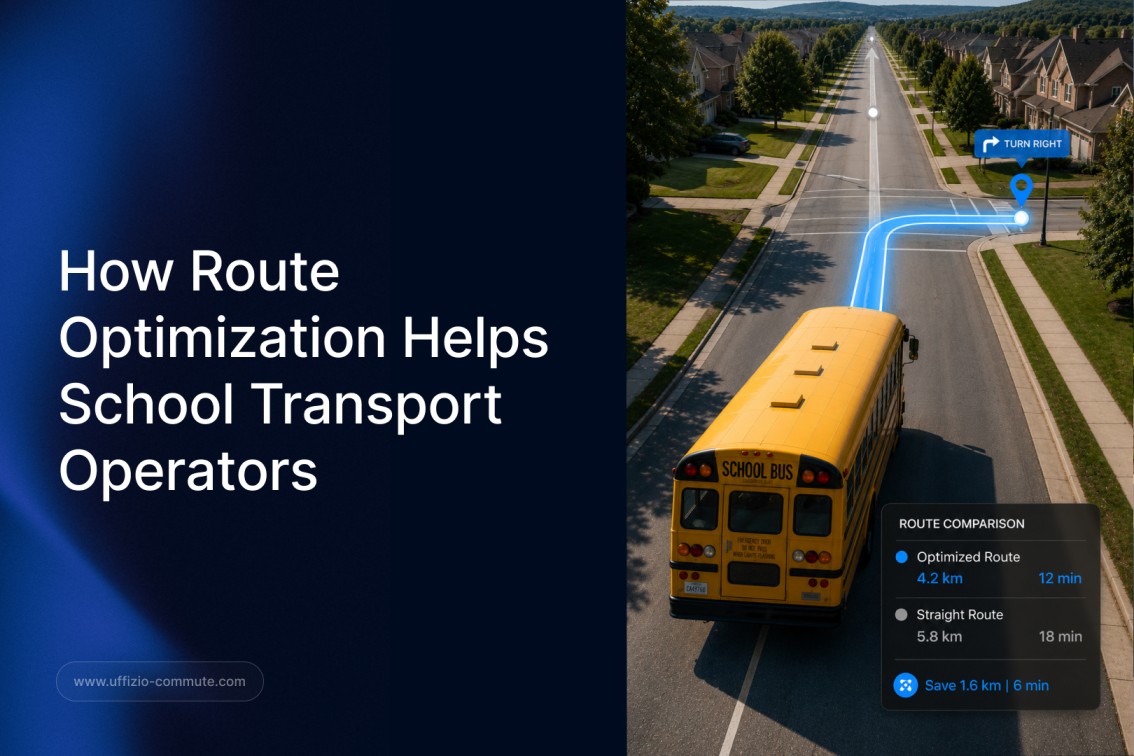
Efficient routes reduce travel time, fuel consumption, and unnecessary mileage.
Advanced Software für den Schülertransport helps optimize routes based on school schedules, pickup locations, and traffic conditions.
This enables schools to serve more students using the same fleet.
Instant Notifications
Parents no longer need to call the school to ask about bus arrivals.
Automatic notifications inform them about:
- Bus approaching
- Student boarding
- Student drop-off
- Route delays
- Notfallwarnungen
This proactive communication saves valuable administrative time every day.
Scaling Operations Without Hiring More Staff
Imagine a school managing 100 buses.
Using traditional methods, transport coordinators spend hours answering phone calls, updating parents, tracking attendance, and communicating with drivers.
Now imagine the same operation powered by Live School Bus Tracking and intelligent automation.
Parents check the mobile app instead of calling.
Attendance updates automatically.
Route adjustments happen digitally.
Reports are generated instantly.
Emergency alerts are delivered immediately.
The same transport team can now manage significantly more buses without increasing workload.
This is true operational scalability.
Benefits for Schools Across Asia, ANZ, GCC, and Africa
Although transportation challenges vary across regions, schools share similar operational goals:
- Improve student safety
- Reduce operational costs
- Increase transport visibility
- Deliver better parent communication
- Optimize fleet utilization
Whether managing urban school fleets in Asia, private schools in the GCC, expanding education networks across Africa, or large campuses in ANZ, digital transport automation delivers measurable improvements.
Regional benefits include:
Asia
Rapid urbanization and growing student populations require schools to manage increasingly complex transportation networks.
Automation reduces manual coordination while supporting large-scale operations.
ANZ
Schools focus heavily on compliance, safety, and operational transparency.
School Transport Software helps maintain accurate records while improving fleet efficiency.
GCC
Premium educational institutions prioritize parent experience and student safety.
Live School Bus Tracking strengthens communication while delivering real-time visibility.
Africa
Many schools are expanding transport services to serve wider communities.
Automation enables sustainable growth without significantly increasing operational costs.
Data-Driven Decision Making
Modern transport management isn’t only about tracking buses.
Every trip generates valuable operational insights.
Schools can monitor:
- Route performance
- Driver behavior
- Vehicle utilization
- Trip completion rates
- Attendance trends
- Delay frequency
These analytics help administrators continuously improve School Transport Operations, reduce inefficiencies, and make informed decisions backed by real data.
The Competitive Advantage of Automation
Parents increasingly expect transparency and instant communication from schools.
Schools that still depend on manual coordination often struggle to meet these expectations.
By adopting Software für den Schülertransport, institutions can deliver a safer, more efficient, and technology-driven transport experience while controlling operational costs.
Rather than expanding administrative teams every academic year, schools can scale intelligently through automation.

Abschluss
The most successful schools are replacing repetitive manual work with intelligent automation that improves visibility, communication, and operational efficiency.
With Live School Bus Tracking, advanced School Transport Software, and data-driven School Transport Operations, schools across Asia, ANZ, GCC, and Africa can manage larger fleets, enhance student safety, improve parent satisfaction, and reduce operational costs, all without increasing headcount.