School bus safety has always been a top priority for schools, parents, and transport operators. But as school fleets grow and transportation networks become more complex, simply knowing where a bus is no longer enough.
For years, GPS Tracking Software has played an important role in school transportation. It gives administrators visibility into vehicle locations and helps parents know where the bus is. But modern school transport requires much more than a moving dot on a map.
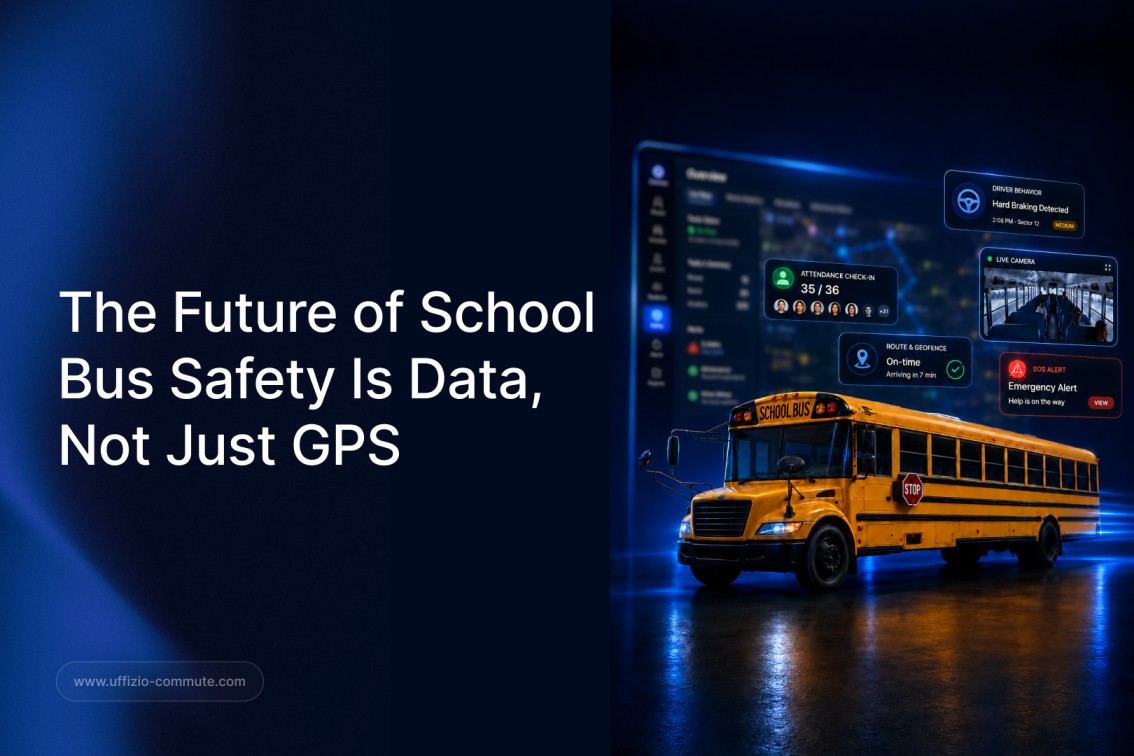
The future of school bus safety is about using data to understand what is happening, identify risks, improve decisions, and take action before a problem becomes serious.
Across APAC, ANZ, GCC, Africa, Latin America, and India, schools are increasingly looking beyond basic tracking and adopting smarter School Transport Software that turns everyday transport data into actionable safety insights.
Why GPS Tracking Alone Is No Longer Enough
But school transport teams need answers to much bigger questions:
- Is the driver following the assigned route?
- Is the bus consistently delayed?
- Are students boarding and getting off safely?
- Is the vehicle being driven responsibly?
- Which routes have frequent delays?
- Are there unusual stops?
- How often are safety alerts triggered?
- Which operational problems are repeating?
Traditional GPS Tracking Software may provide location information, but location data alone doesn’t provide the complete picture.
This is why modern Live School Bus Tracking is evolving from simple vehicle monitoring into a broader data-driven safety system.
From Location Tracking to Safety Intelligence
The real value of transportation technology comes from the data generated throughout every journey.
A school bus can generate information about:
- Vehicle location
- Speed
- Route movement
- Trip duration
- Stops
- Delays
- Driver activity
- Student boarding
- Student drop-off
- Emergency events
When School Transport Software collects and analyzes this information, transport administrators can identify patterns that aren’t visible through manual monitoring.
For example, one delayed trip may not seem important.
But if the same route is delayed every morning, the data can reveal an operational problem that needs attention.
That’s the difference between tracking an event and understanding a pattern.
1. Data Helps Identify Risky Driving Behavior
Driver behavior has a direct impact on school bus safety.
A modern transportation platform can help monitor driving patterns such as:
- Excessive speed
- Sudden acceleration
- Harsh braking
- Unnecessary idling
- การเบี่ยงเบนเส้นทาง
Instead of waiting for a complaint or incident, administrators can use historical data to identify drivers or routes that require attention.
This allows schools to take proactive measures such as additional training, route reviews, or closer monitoring.
GPS Tracking Software provides the location data, while intelligent School Transport Software can turn that data into meaningful operational insights.
2. Live School Bus Tracking Improves Real-Time Response
Real-time visibility remains an essential part of school transportation safety.
กับ Live School Bus Tracking, administrators can immediately see where buses are and whether they are following their planned routes.
If a vehicle stops unexpectedly or deviates from its assigned route, transport teams can investigate quickly.
Parents can also receive timely information about:
- Bus location
- Estimated arrival
- Delays
- Pickup status
- Drop-off status
This creates greater transparency and reduces uncertainty during daily journeys.
But the future isn’t just about seeing the bus.
It’s about combining live information with historical data to understand why something is happening.
3. Predictive Insights Can Help Prevent Problems
One of the biggest advantages of data-driven transportation is the ability to identify patterns before they become major issues.
Suppose a particular route experiences delays every Monday morning.
A transport manager can review historical data and discover that the route consistently encounters congestion at a particular time.
Instead of reacting to the delay every week, the school can adjust the departure time or modify the route.
This moves school transportation from reactive management to proactive management.
That is where advanced School Transport Software becomes significantly more valuable than basic tracking systems.
4. Student Attendance Data Adds Another Safety Layer
Vehicle location is only one part of student safety.
Schools also need to know whether the right students boarded and whether they were dropped off at the correct destination.
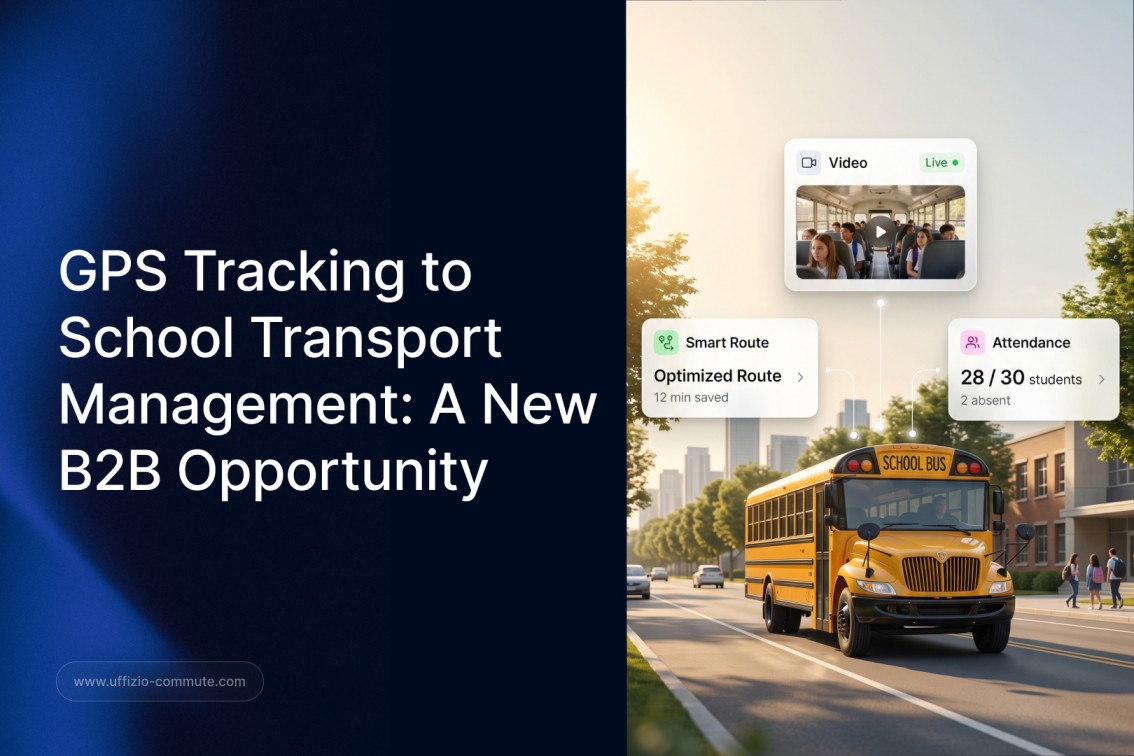
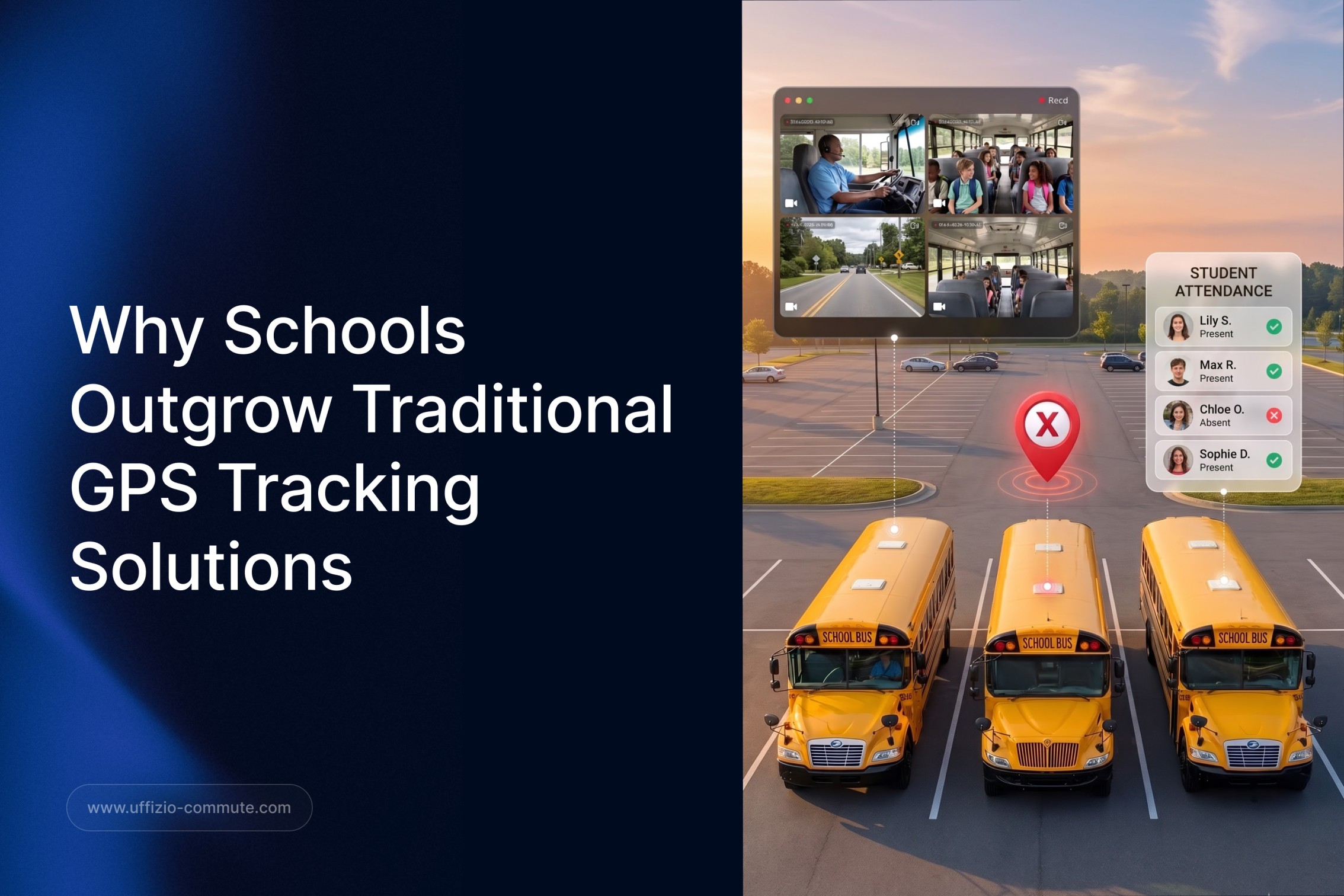
Digital attendance systems can record student boarding and drop-off information and connect that information with the corresponding trip.
This gives transport administrators greater visibility into the complete student journey.
When attendance data and Live School Bus Tracking work together, schools gain a much clearer understanding of both vehicle movement and student movement.
5. Data Helps Schools Improve Routes
A route that looks efficient on paper may not perform efficiently in real-world conditions.
Historical transportation data can reveal:
- Frequently delayed routes
- Underutilized buses
- Excessive travel times
- Repeated route deviations
- Inefficient pickup sequences
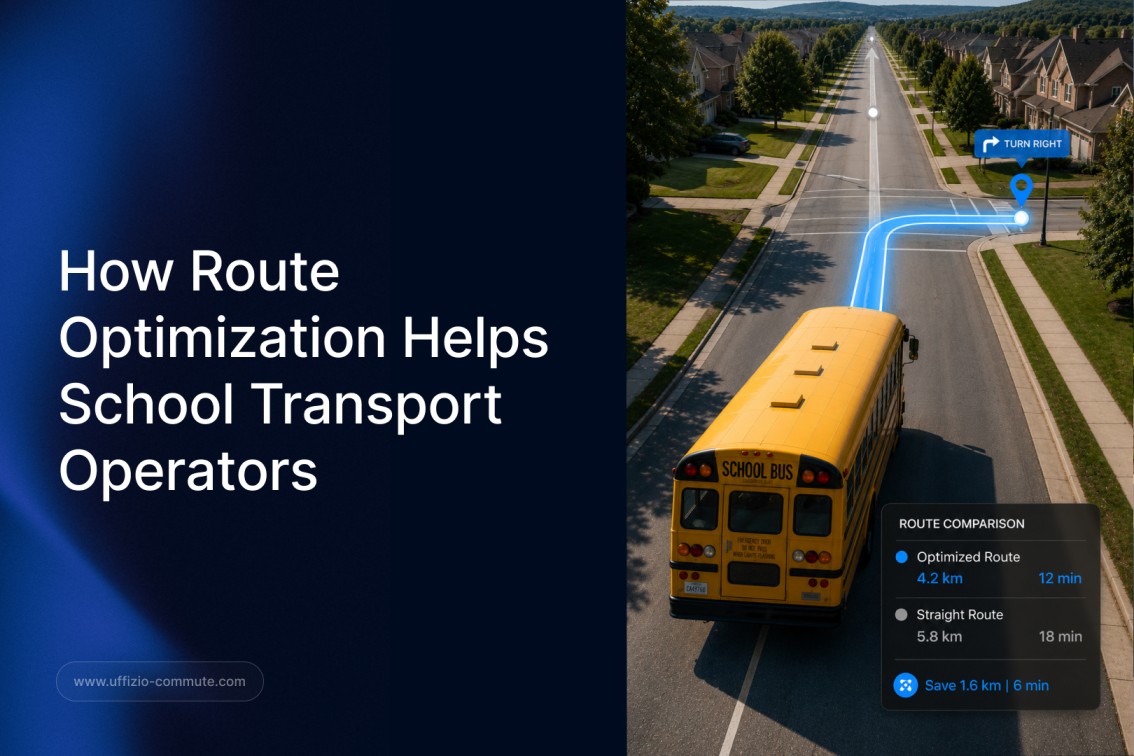
Transport teams can use these insights to redesign routes and improve fleet utilization.
Better route planning can contribute to:
- Shorter journey times
- Reduced fuel consumption
- Better punctuality
- Improved driver productivity
- More efficient fleet utilization
In other words, safety data can also improve operational efficiency.
Why This Matters Across APAC, ANZ, GCC, Africa, Latin America, and India
School transportation challenges differ across regions, but the need for better visibility and safety is universal.
APAC
Growing school populations, dense urban environments, and traffic congestion make real-time transport visibility increasingly important. School Transport Software helps schools manage complex fleets while improving communication with families.
ANZ
Schools place strong emphasis on safety, accountability, and operational transparency. Data-driven transport systems can provide better records and insights for continuous improvement.
GCC
Parents increasingly expect high-quality transportation services and real-time communication. Live School Bus Tracking helps schools provide greater visibility, while data analytics can support better operational decisions.
Africa
As schools expand transportation services across larger geographic areas, real-time monitoring and centralized data can help transport teams maintain visibility across their fleets.
Latin America
Traffic congestion and complex urban routes can create unpredictable transportation conditions. Historical and real-time data can help schools identify recurring issues and improve route planning.
India
With large student populations and increasingly complex school transport networks, schools need technology that goes beyond basic vehicle tracking. GPS Tracking Software combined with attendance, alerts, and analytics can help schools create more structured and scalable transport operations.
What Schools Should Look for in Modern School Transport Software
When evaluating a transportation solution, schools should look beyond basic GPS functionality.
A future-ready platform should ideally offer:
- Reliable GPS Tracking Software
- Accurate Live School Bus Tracking
- Student attendance monitoring
- Driver behavior insights
- Route management
- Real-time alerts
- การแจ้งเตือนฉุกเฉิน
- Historical trip data
- Operational analytics
- Parent communication
- Scalable fleet management
The objective is to create a connected safety ecosystem rather than simply installing a GPS tracker in every vehicle.
The Future Is More Than Tracking
GPS technology will continue to play an important role in school transportation. But GPS should be viewed as the foundation, not the complete solution.
The next generation of school bus safety will combine GPS Tracking Software, Live School Bus Tracking, student data, driver information, route intelligence, alerts, and analytics into one connected platform.
With modern School Transport Software, schools can move from simply knowing where buses are to understanding how their transportation system is performing.

บทสรุป
The future of school bus safety isn’t about choosing between GPS and data.
GPS creates the data. Intelligent technology turns that data into action.
For schools across APAC, ANZ, GCC, Africa, Latin America, and India, this shift can lead to better visibility, faster response times, smarter route decisions, improved student safety, and more efficient transportation operations.
Live School Bus Tracking will remain essential, but the schools that truly improve safety will be the ones that use their transportation data to identify risks, understand patterns, and make better decisions.