Managing school transportation may look simple from the outside. A few buses, assigned routes, trained drivers, and a transport coordinator should be enough, right?
That may work when a school has a small fleet. But as the number of students, buses, routes, and campuses increases, managing everything manually becomes much harder.
Today, schools across Asia, ANZ, GCC, Africa, and Latin America are facing the same challenge: their transportation operations are outpacing their ability to manage them manually.
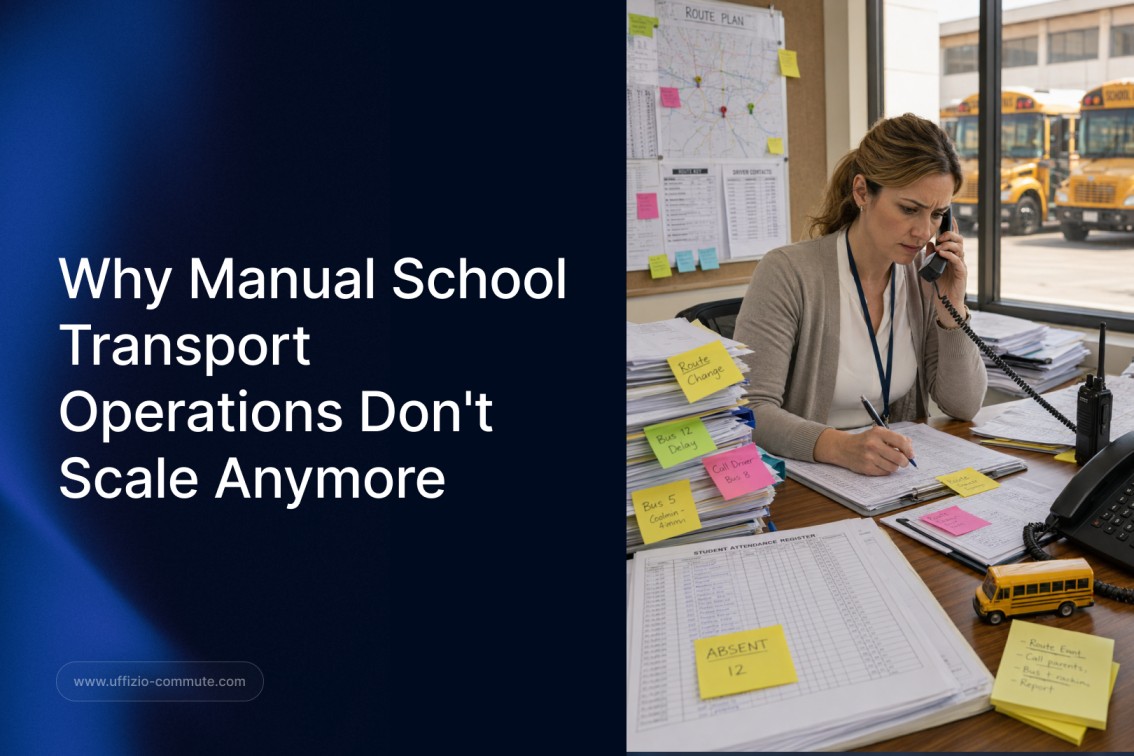
Phone calls, spreadsheets, paper attendance sheets, messaging groups, and manual route coordination can create unnecessary workload and operational gaps. What worked for 10 buses may not work for 50 or 100.
This is where digital solutions such as School Transport Software and GPS Tracking Software are transforming how schools manage transportation.
The Real Problem With Manual School Transport Operations
Manual processes are not necessarily wrong. The problem is that they don’t scale efficiently.
When a school manages a small number of buses, a transport coordinator may be able to call drivers, update parents, maintain attendance records, and monitor routes manually.
But imagine doing the same thing for dozens of buses and hundreds or thousands of students.
Suddenly, simple tasks become time-consuming.
Transport teams may have to:
- Call drivers to check bus locations
- Respond to repeated parent inquiries
- Update attendance manually
- Track delays through phone calls
- Coordinate route changes
- Prepare reports using spreadsheets
- Manage emergencies manually
As operations grow, the administrative workload grows with them.
The result is higher operational costs, slower response times, and greater dependency on individual staff members.
Why Spreadsheets and Phone Calls Are No Longer Enough
Many schools still use spreadsheets to maintain vehicle details, student information, routes, and attendance.
The problem is that spreadsheets only store information. They don’t provide real-time visibility.
For example, if a parent asks where the school bus is, a coordinator cannot simply look at a spreadsheet and provide an accurate answer.
They may need to call the driver first.
That creates unnecessary communication between the parent, coordinator, and driver.
With GPS Tracking Software, administrators can access live vehicle information without depending on manual updates.
This makes transportation operations faster, more transparent, and easier to manage.
1. Growing Fleets Create More Complexity
Adding more buses doesn’t simply increase fleet size. It increases the number of routes, drivers, students, schedules, and operational decisions that need to be coordinated.
A school operating five buses may manage transportation with a small team.
A school operating 50 buses needs a more structured system.
Trying to manage a growing fleet using the same manual processes often leads to:
- Missed updates
- Incorrect information
- Communication delays
- Scheduling conflicts
- Increased administrative workload
Perangkat Lunak Transportasi Sekolah helps centralize these activities, so transport teams can manage larger fleets without increasing complexity at the same rate.
2. Parents Expect Real-Time Visibility
Parent expectations have changed significantly.
Parents don’t want to wait for a phone call to know whether their child’s bus is running late. They want immediate information.
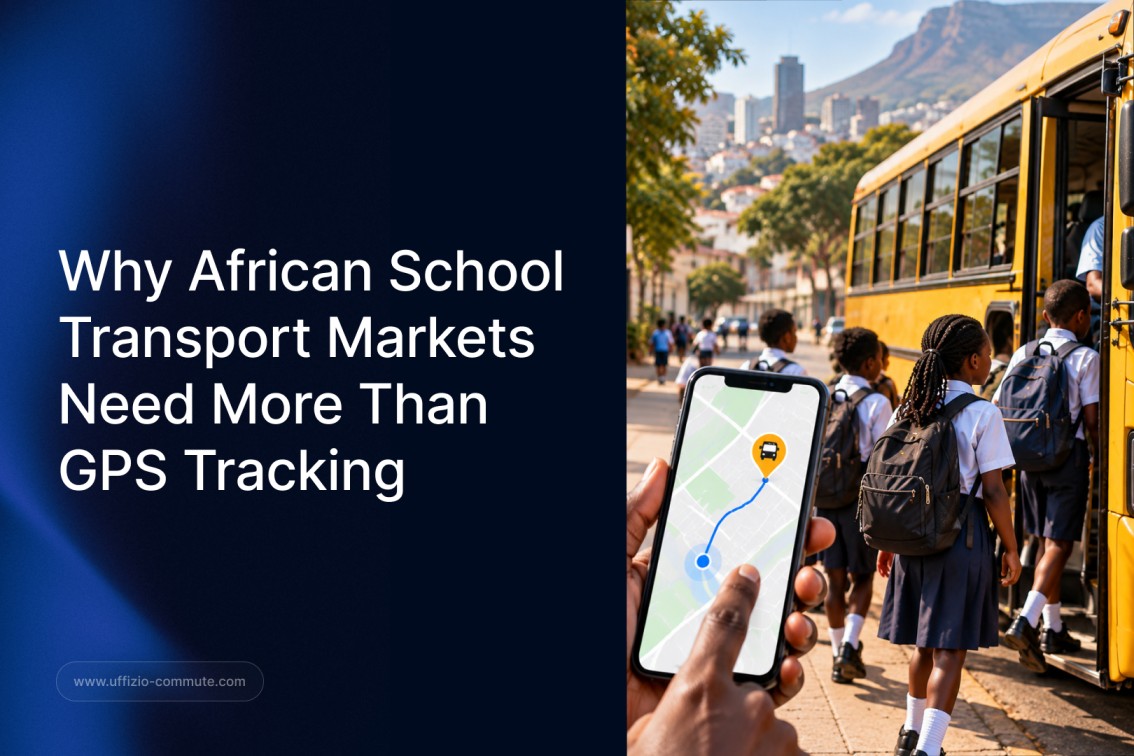
Live School Bus Tracking allows parents and administrators to see the bus location in real time.
Depending on the system, parents can also receive notifications about:
- Bus approaching pickup point
- Student boarding
- Student drop-off
- Route delays
- Emergencies
- Changes in scheduled trips
This reduces uncertainty for parents and reduces the number of routine calls received by school staff.
3. Manual Attendance Creates Safety Risks
Student attendance is one of the most important parts of school transportation.
When attendance is recorded manually, there is a greater possibility of missing entries, incorrect records, or delayed information.
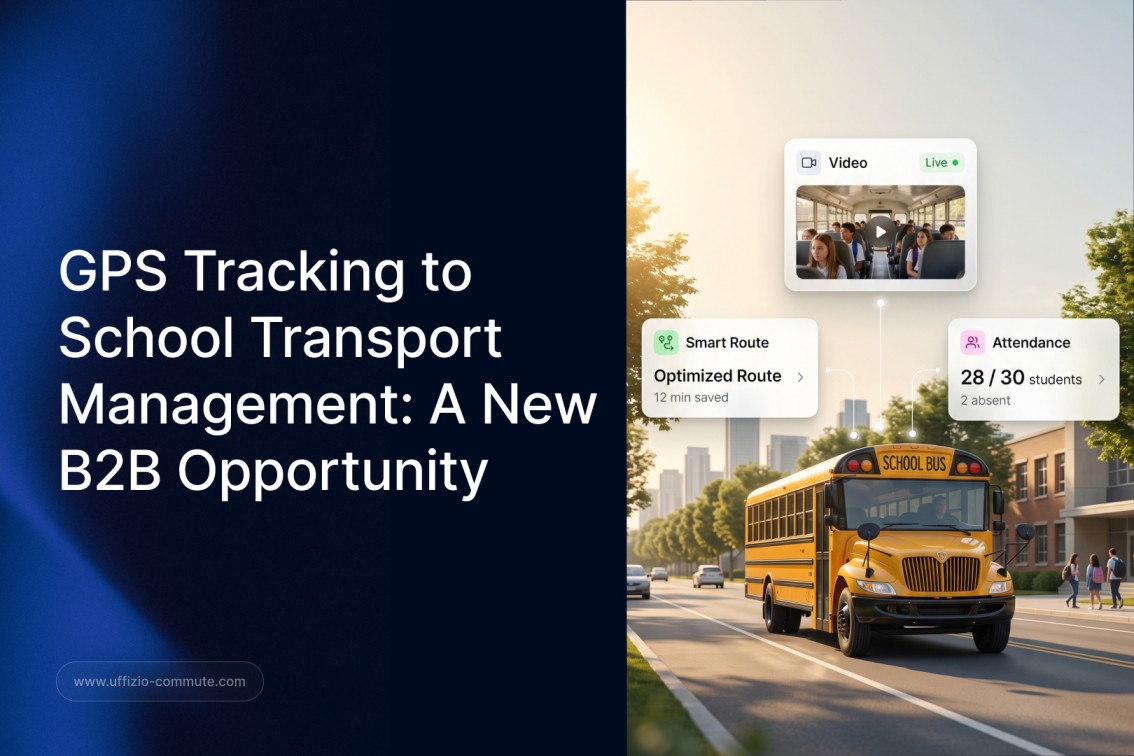
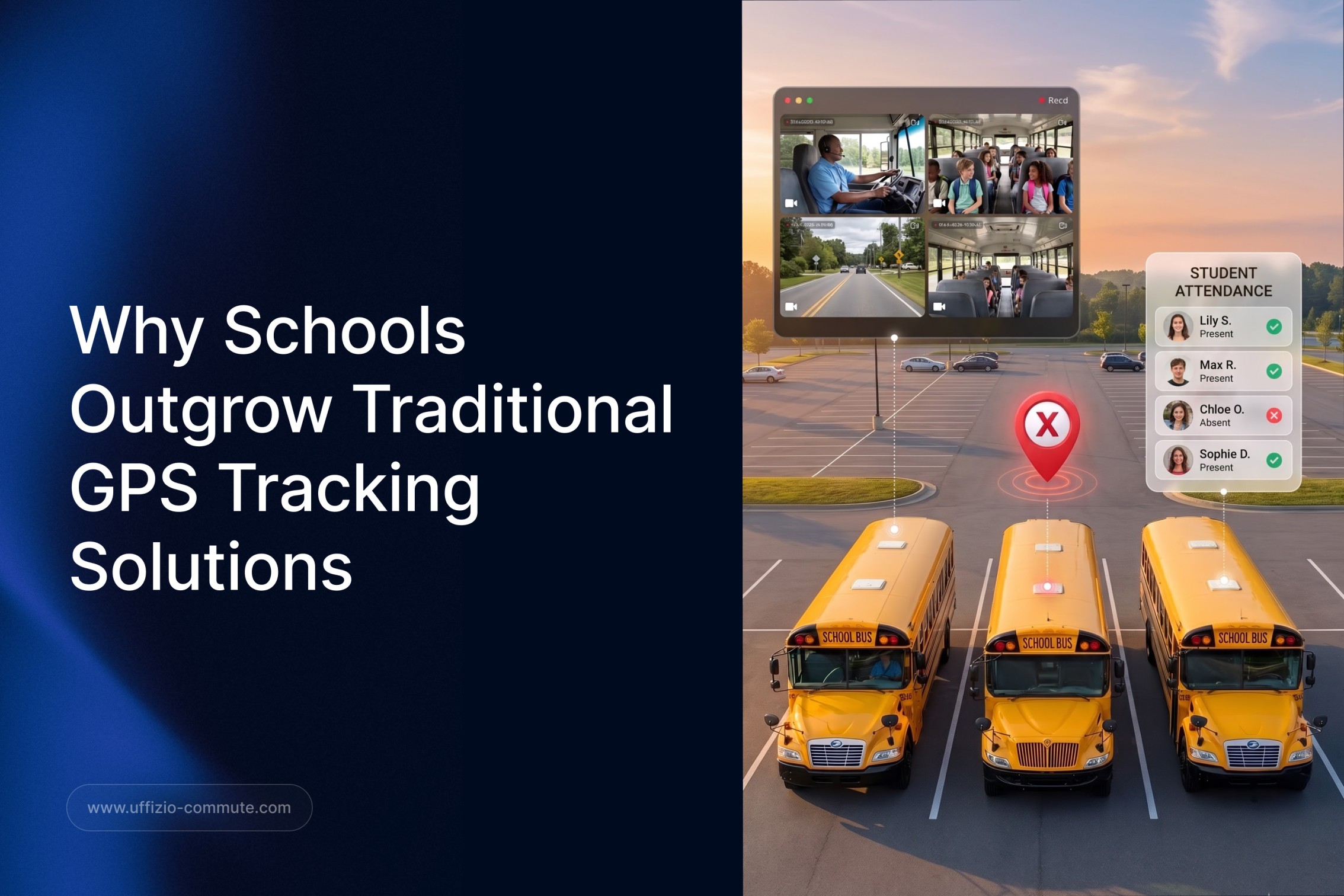
A modern School Transport Software solution can digitize boarding and drop-off records, creating a more reliable record of each student’s journey.
Instead of asking a driver or coordinator to verify information manually, administrators can access digital records when needed.
This improves both operational efficiency and student safety.
4. Route Management Becomes Difficult at Scale
Routes are rarely static.
Students join or leave the transport service. Addresses change. Roads become congested. School schedules change. Temporary road closures can affect planned routes.
Managing these changes manually can consume significant time.
GPS Tracking Software provides real-time visibility into vehicle movement, while advanced transport platforms can help administrators manage routes more efficiently.
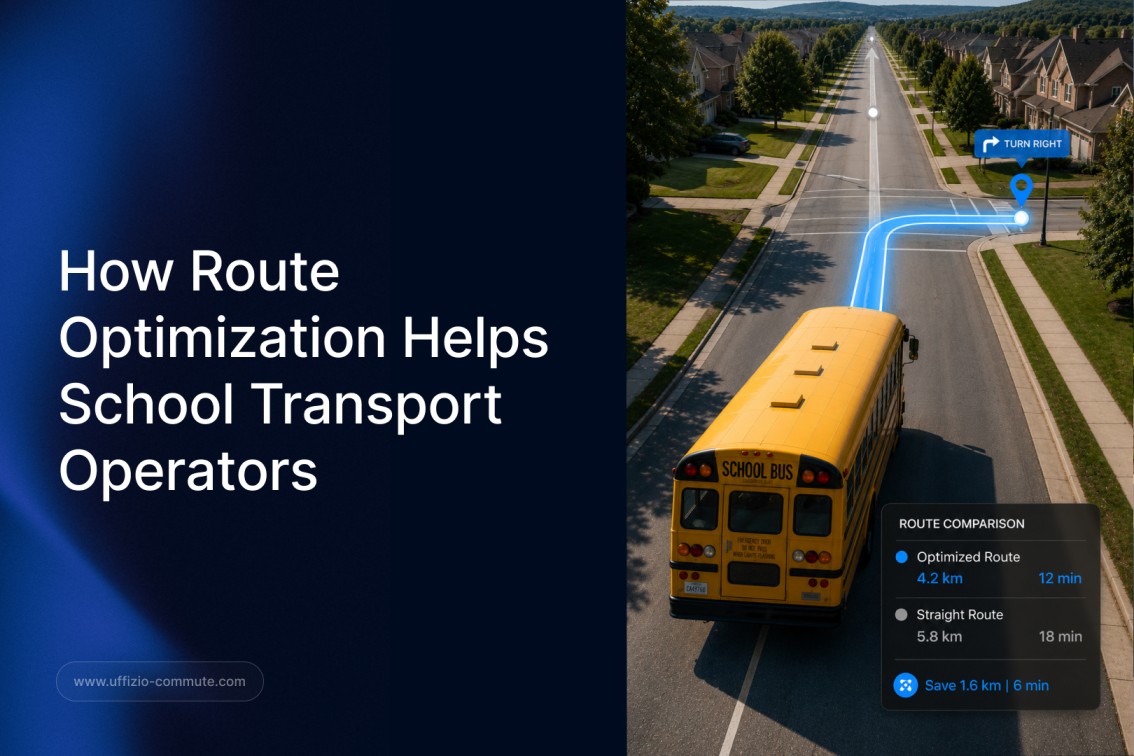
Better route management can help schools reduce unnecessary travel, improve punctuality, and use their fleet more effectively.
5. Emergencies Require Faster Decisions
A manual system can become particularly challenging during emergencies.
If a bus breaks down, gets delayed, or encounters an unexpected situation, administrators need to know immediately:
- Where is the vehicle?
- Which route is it following?
- Which students are onboard?
- Who is driving?
- What action should be taken?
Dengan Live School Bus Tracking, administrators have immediate visibility into the vehicle’s location.
Combined with emergency alerts and digital communication, this enables faster response and better coordination.
Why Digital School Transport Management Is Becoming Essential
The objective of digitalization isn’t simply to replace paper with software.
The bigger goal is to create a transportation operation that can grow without creating the same level of additional administrative workload.
School Transport Software brings important functions together in one centralized system.
Instead of using separate tools for tracking, attendance, communication, reporting, and route management, schools can manage these activities through a connected platform.
This creates a single source of operational information.
Regional Perspective: Asia, ANZ, GCC, Africa & Latin America
The need for scalable school transportation technology is not limited to one market.
Asia
Growing urban populations, traffic congestion, and expanding school networks are making transportation management increasingly complex. Digital GPS Tracking Software helps schools improve visibility while reducing manual coordination.
ANZ
Schools place strong emphasis on safety, accountability, and operational transparency. Live School Bus Tracking provides administrators and parents with greater visibility throughout the journey.
GCC
Schools often compete on the quality of services they provide to families. Real-time tracking, automated notifications, and digital transport management can significantly improve the overall parent experience.
Africa
As schools expand their transportation coverage, managing larger fleets efficiently becomes increasingly important. School Transport Software can help institutions scale operations without proportionally increasing administrative workload.
Latin America
Schools and transport operators face challenges such as traffic congestion, route complexity, and the need for better communication with families. Digital tracking and automated transport workflows can help create more reliable operations.
What Schools Should Look for in a Modern Transport Solution
Before investing in a transportation platform, schools should look beyond basic vehicle tracking.
A scalable solution should ideally provide:
- Reliable GPS Tracking Software
- Accurate Live School Bus Tracking
- Student attendance management
- Parent notifications
- Driver management
- Route management
- Peringatan darurat
- Trip monitoring
- Reports and analytics
- Scalable fleet management
The goal should be to reduce manual work while improving visibility and safety.
The Future of School Transport Is Scalable
Manual processes may continue to work for smaller operations, but they become increasingly difficult to maintain as schools grow.
The future of School Transport Operations is moving toward connected systems where tracking, attendance, communication, safety, and reporting work together.
Instead of adding more staff every time the fleet expands, schools can use technology to automate repetitive activities and help existing teams work more efficiently.

Kesimpulan
The biggest limitation of manual school transportation isn’t that it cannot work. It’s that it becomes increasingly difficult to maintain as operations grow.
More buses mean more routes. More routes mean more students and drivers to coordinate. More students mean more communication and attendance requirements.
At a certain point, adding more people to manage the workload is no longer the most effective solution.
School Transport Software, GPS Tracking Software, and Live School Bus Tracking provide schools with the technology needed to manage growing transportation operations more efficiently.
For schools across Asia, ANZ, GCC, Africa, and Latin America, moving from manual processes to digital transport management can mean better visibility, faster communication, improved student safety, and a transportation operation that is ready to scale.
The question is no longer whether schools should digitize transportation.