For many GPS companies, winning a new customer is often the primary focus.
Sales teams invest time in generating leads, demonstrating the platform, offering competitive pricing, and closing the deal. But in the school transport market, winning a client is only the beginning.
The bigger challenge comes after implementation.
Will the client still be using the same GPS platform after one year?
Across APAC, GCC, Africa, and India, many GPS and telematics companies face a growing customer retention challenge. They may successfully sell GPS Tracking Software to schools or school transport operators, but over time, clients begin to expect more than basic vehicle tracking.
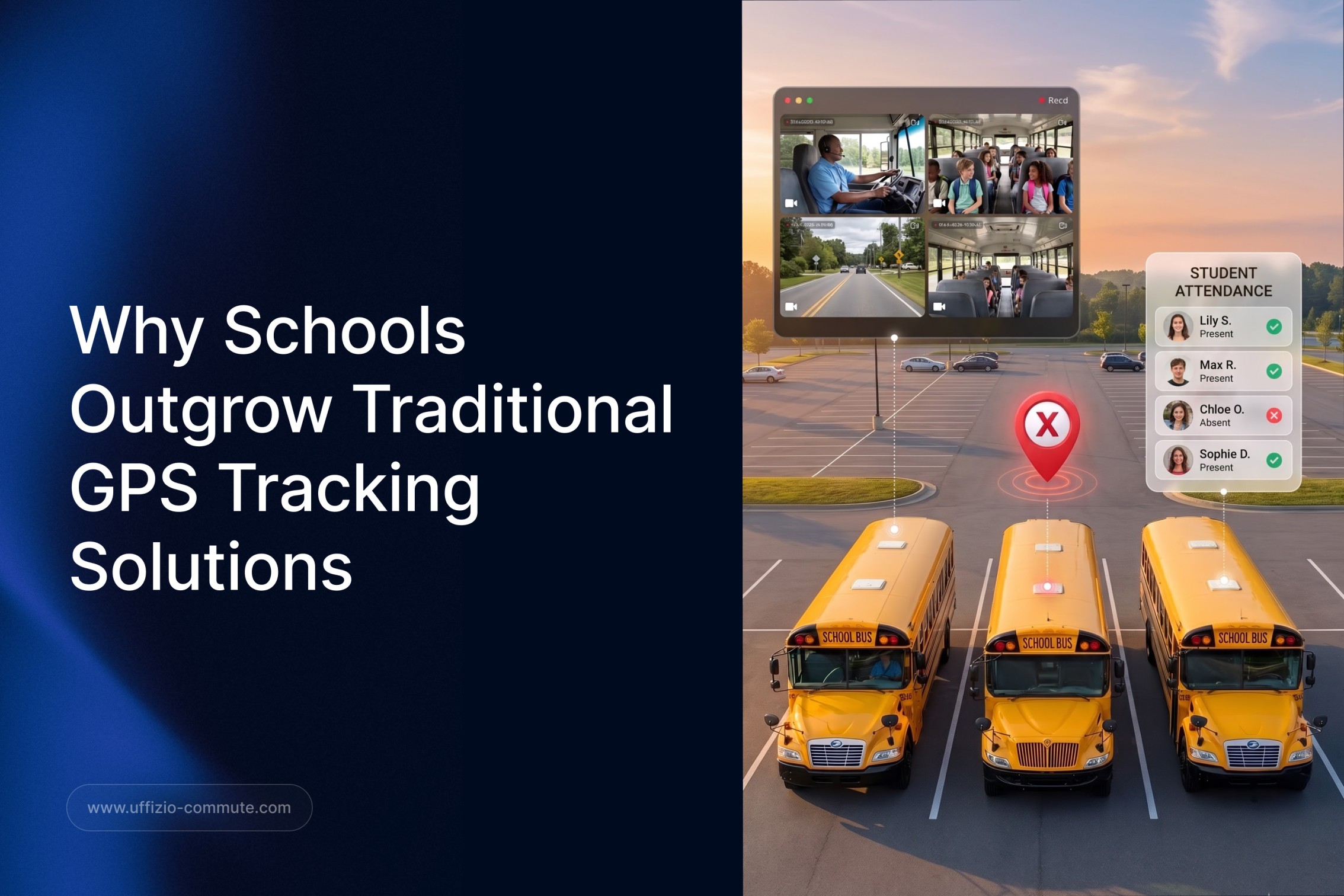
They want better parent communication, student attendance monitoring, route management, automated alerts, driver insights, and complete operational visibility.
This is where many GPS companies face a difficult reality:
Clients don’t always leave because GPS tracking stops working. They leave because their business requirements outgrow GPS-only solutions.
The Customer Retention Problem GPS Companies Can’t Ignore
Customer acquisition is expensive.
When a GPS company loses a school transport client after six months or a year, the impact goes beyond lost recurring revenue.
It can also mean:
- Higher customer acquisition costs
- Reduced lifetime customer value
- Lower renewal rates
- Increased sales pressure
- Negative market perception
- Lost upselling opportunities
For GPS companies targeting school transportation, retention is becoming as important as acquisition.
A customer that stays longer creates more predictable recurring revenue. A customer that expands their use of the platform can also create additional business opportunities.
GPS Tracking Software Solves Only Part of the Customer’s Problem
Traditional GPS Tracking Software is designed primarily to provide vehicle visibility.
It answers questions such as:
- Where is the bus?
- Which route is it following?
- Is it moving or stopped?
- Has it deviated from the assigned route?
- What was the trip history?
These capabilities are valuable.
However, school transport is more complex than standard fleet management.
A school transport operator is also responsible for students, parents, drivers, routes, schedules, attendance, and daily communication.
Over time, clients begin asking questions such as:
- Has the student boarded the bus?
- Has the student been dropped off safely?
- Can parents receive automatic notifications?
- Can we manage multiple schools from one platform?
- Can we monitor driver performance?
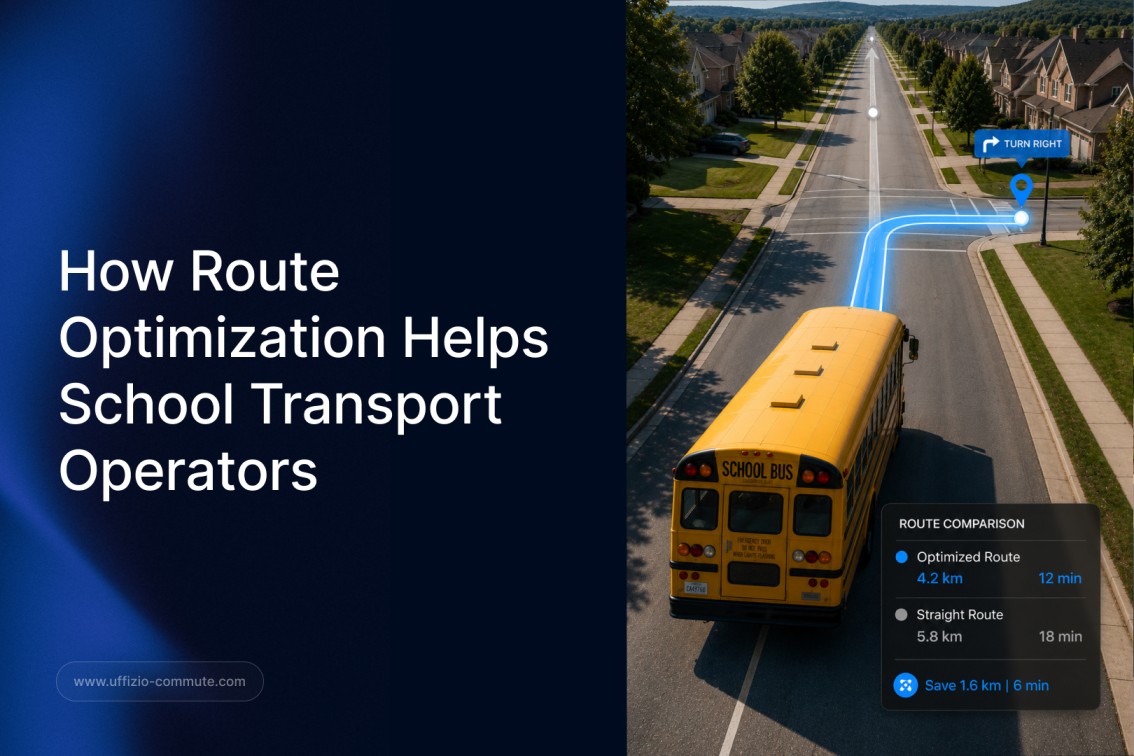
- Can we analyze route efficiency?
- Can we manage transport operations without multiple tools?
If the GPS Tracking Software cannot support these requirements, the client may start evaluating other providers.
Why Live School Bus Tracking Is Not Enough on Its Own
Live School Bus Tracking is one of the most valuable features for school transportation.
Parents want to know where the bus is.
Schools want real-time visibility.
Transport operators want to monitor routes and respond quickly to delays.
But location visibility alone does not create a complete customer experience.
Consider a parent using a tracking application.
They can see that the bus is approaching.
But they may still want to know:
- Has my child boarded?
- Was my child dropped off?
- Why is the bus delayed?
- Has the route changed?
- Who should I contact during an emergency?
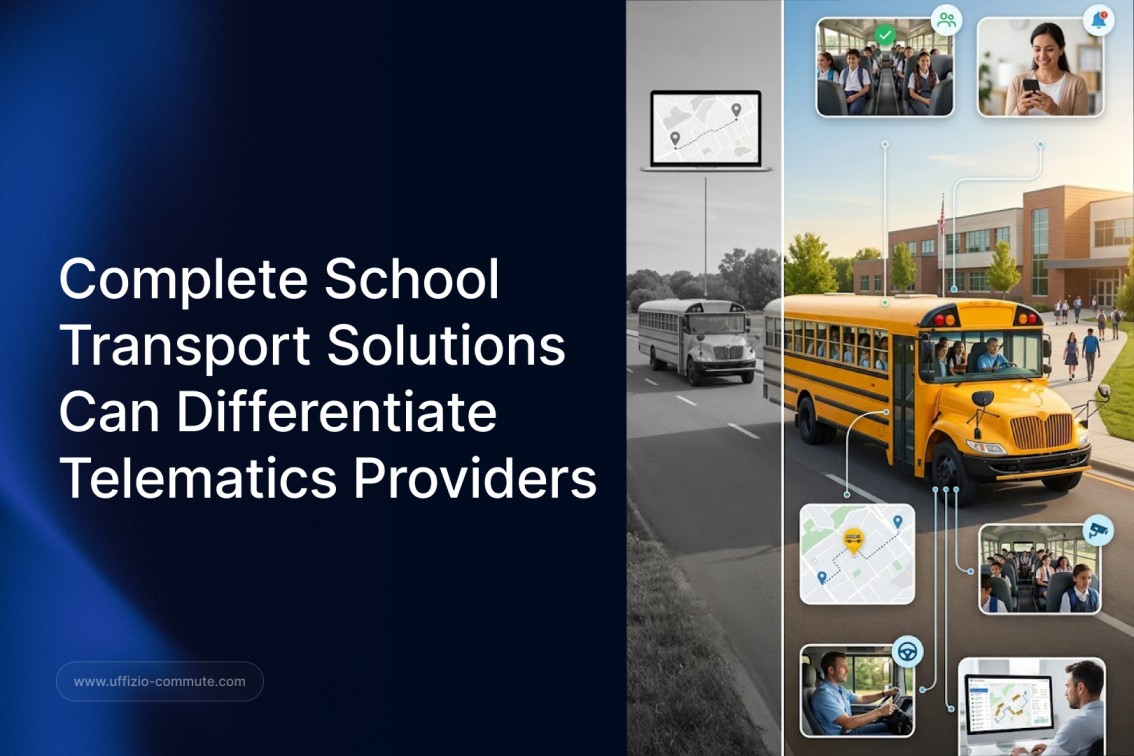
This is why Live School Bus Tracking needs to become part of a broader transportation ecosystem.
For GPS companies, offering tracking alone can create a short-term product relationship.
Offering a complete solution can create a long-term customer relationship.
The Real Reason Clients Switch Providers
Many GPS companies assume clients switch because of price.
Pricing can influence decisions, but it is rarely the only reason.
In many cases, clients leave because the existing platform creates too much manual work.
This fragmented workflow creates inefficiency.
The client begins searching for a platform that brings everything together.
A competitor offering integrated Software de transporte escolar can suddenly become more attractive, even if the existing GPS provider has reliable tracking.
This is the retention risk that GPS companies cannot ignore.
Customer Expectations Grow After Implementation
During the initial sales process, basic tracking may be enough to convince the client.
But customer expectations evolve.
After several months of using the system, transport managers start identifying other operational challenges.
They may realize that their biggest problem is not tracking buses.
It may be:
- Managing student attendance
- Reducing parent calls
- Handling route changes
- Coordinating drivers
- Managing multiple schools
- Generating reports
- Responding to emergencies
If the GPS provider cannot expand with the customer’s requirements, the customer may eventually outgrow the platform.
This is why customer retention should be viewed as a product growth challenge, not only a customer support challenge.
How School Transport Software Improves Customer Retention
Adding School Transport Software capabilities to an existing GPS offering allows providers to solve a wider range of customer problems.
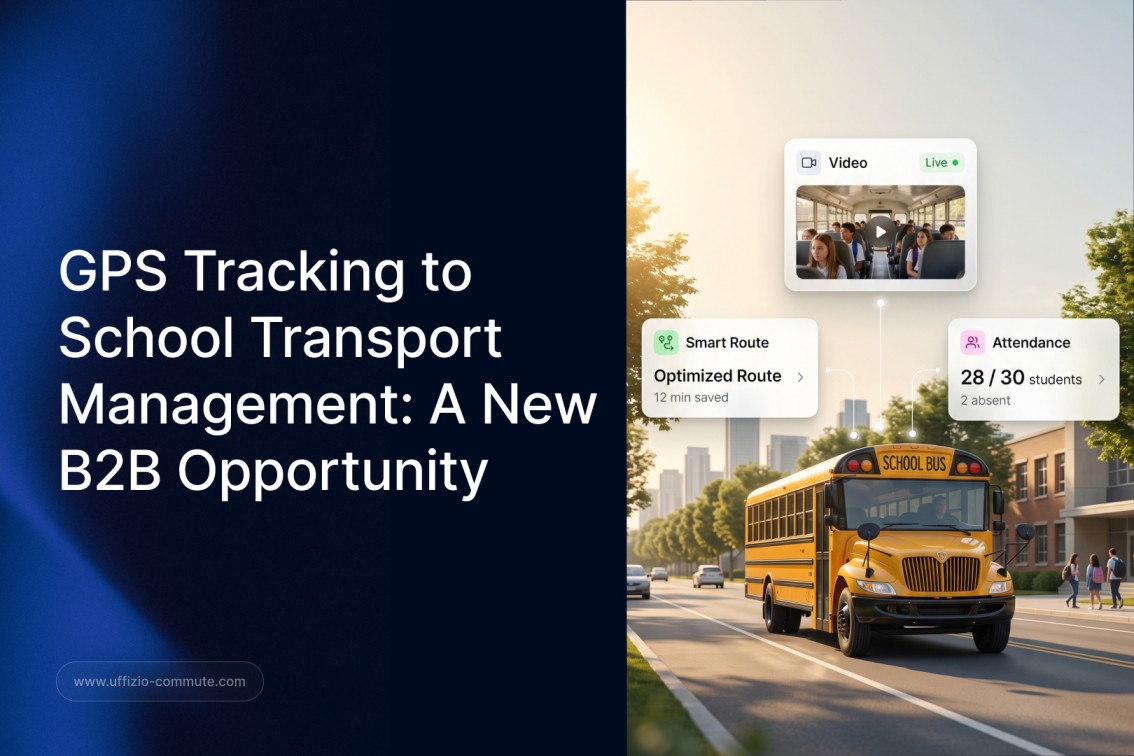
A comprehensive solution can support:
Live Vehicle Visibility
Reliable Live School Bus Tracking provides administrators with real-time information about vehicle movement and trip status.
Asistencia de los estudiantes
Digital boarding and drop-off records help schools improve visibility into student journeys.
Parent Communication
Automated alerts and notifications reduce repetitive calls and improve parent confidence.
Gestión de rutas
Transport teams can manage routes, stops, and trip assignments more efficiently.
Driver Management
Driver information and relevant performance data can support better operational decisions.
Reporting and Analytics
Historical data helps clients identify patterns and improve operations.
When these features work together, the platform becomes part of the customer’s daily workflow rather than simply another tracking tool.
The Retention Advantage of Becoming an Operational Platform
There is an important difference between being a product provider and becoming part of a customer’s operational infrastructure.
A GPS tracking platform may be easy to replace.
But a platform that connects:
- Vehicles
- Estudiantes
- Padres
- Conductores
- Routes
- Attendance
- Notificaciones
- Informes
becomes deeply integrated into the customer’s daily operations.
This can improve customer retention because switching providers becomes a larger operational decision.
The goal should not be to make switching difficult artificially.
The goal should be to create enough genuine value that customers have a strong reason to stay.
APAC, GCC, Africa, and India: A Growing Opportunity
The demand for smarter school transportation technology is growing across these regions.
APAC
Growing student populations and increasingly complex urban transportation networks are creating demand for scalable digital solutions. GPS companies can differentiate by offering more than standard GPS Tracking Software.
GCC
Schools and transport operators often place strong emphasis on parent experience and service quality. Live School Bus Tracking, automated alerts, and parent communication can provide additional value.
Africa
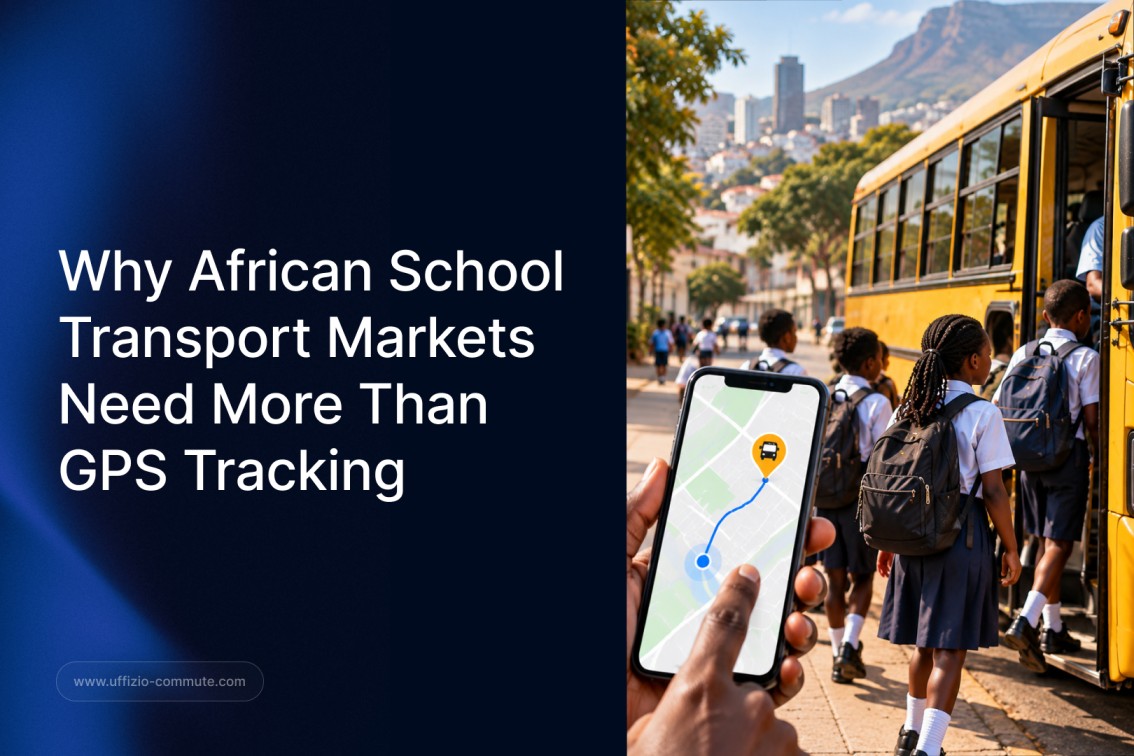
As school transport networks expand, operators need solutions that help them manage growth efficiently. Integrated School Transport Software can support larger fleets without adding the same level of manual workload.
India
With large student populations and extensive school transport networks, there is growing demand for technology that connects tracking with student safety and operational management.
For GPS companies, these markets represent more than a tracking opportunity.
They represent an opportunity to build long-term, high-value customer relationships.
How GPS Companies Can Improve Customer Retention
To improve retention, GPS providers should consider several strategies.
1. Understand Customer Workflows
Don’t only ask customers which tracking features they need.
Ask how they manage attendance, parent communication, routes, drivers, and daily operations.
2. Expand Beyond GPS Tracking
Offer additional capabilities through integrated School Transport Software rather than forcing clients to manage multiple disconnected tools.
3. Focus on Customer Success
Customer onboarding should not end after installation.
Providers should regularly help clients discover new features and improve how they use the platform.
4. Use Customer Feedback for Product Development
Recurring customer requests often reveal the next product opportunity.
If multiple school transport clients ask for attendance or parent communication features, those requests should be treated as strategic product insights.
5. Create New Revenue Opportunities
Additional transport management capabilities can create opportunities for upselling and recurring revenue.
Instead of relying only on tracking subscriptions, GPS companies can offer higher-value solutions to existing customers.
The Future of GPS Customer Retention
The GPS industry is becoming increasingly competitive.
Basic location tracking is no longer enough to create a strong long-term competitive advantage.
As customers become more digitally mature, they expect solutions that address complete operational challenges.
For GPS companies serving the education and school transport market, the future of retention lies in becoming more than a tracking provider.
It means becoming a technology partner.

Conclusión
The customer retention problem GPS companies can’t ignore is not simply about pricing, support, or tracking accuracy.
It is about customer expectations evolving faster than the product offering.
Schools and transport operators may initially choose GPS Tracking Software for vehicle visibility. But as their operations grow, they need Live School Bus Tracking, student attendance, parent communication, route management, alerts, reporting, and broader operational control.
GPS companies that continue offering only basic tracking risk losing customers to providers with more complete solutions.