GPS tracking has changed how school transportation is managed. It allows operators to monitor vehicle locations, check routes, and get better visibility into daily bus operations.
For many School Transport Operators, adopting GPS Tracking Software was the first step toward improving transportation management.
However, as operations grow, basic tracking is no longer enough.
Managing school transportation involves much more than knowing where a bus is. Operators must coordinate students, drivers, routes, attendance, parents, schedules, and daily trips. Handling all these activities through separate tools can create unnecessary workload and communication gaps.
This is why many operators are moving beyond basic GPS tracking toward complete School Transport Management platforms.
The shift is not about replacing GPS technology. It is about using GPS data as part of a connected system that helps manage the entire transportation operation.
Why GPS Tracking Alone Is No Longer Enough
Traditional GPS Tracking Software focuses mainly on vehicle visibility.
Operators can monitor vehicle locations, review movement history, and check whether buses are following planned routes.
These capabilities remain important. However, school transportation has several additional requirements.
For example, an operator managing 50 school buses may also need to monitor student attendance, coordinate drivers, communicate with parents, manage pickup points, and prepare daily operational reports.
When these activities are handled separately, teams often depend on spreadsheets, phone calls, messaging applications, and manual updates.
This can lead to:
- Delayed communication between teams
- Difficulty monitoring student attendance
- Increased manual workload
- Limited visibility into daily trips
- Complicated route coordination
- Difficulty managing multiple schools
- Inconsistent operational reporting
GPS tracking solves the vehicle visibility problem, but a complete management platform addresses the wider operational requirements.
Growing Fleets Require Centralized Management
Managing a small fleet is relatively simple. Transport managers can communicate directly with drivers and monitor a limited number of vehicles.
But when the fleet expands to 50, 100, or more buses, the same approach becomes difficult.
School Transport Operators need to manage multiple routes, drivers, vehicles, trips, and school locations simultaneously.
A complete School Transport Management platform provides a centralized environment where operators can access important operational information.
Instead of switching between different tools, managers can monitor fleet activity through a common dashboard.
This makes it easier to identify operational issues and coordinate daily transportation activities.
Live School Bus Tracking Improves More Than Visibility
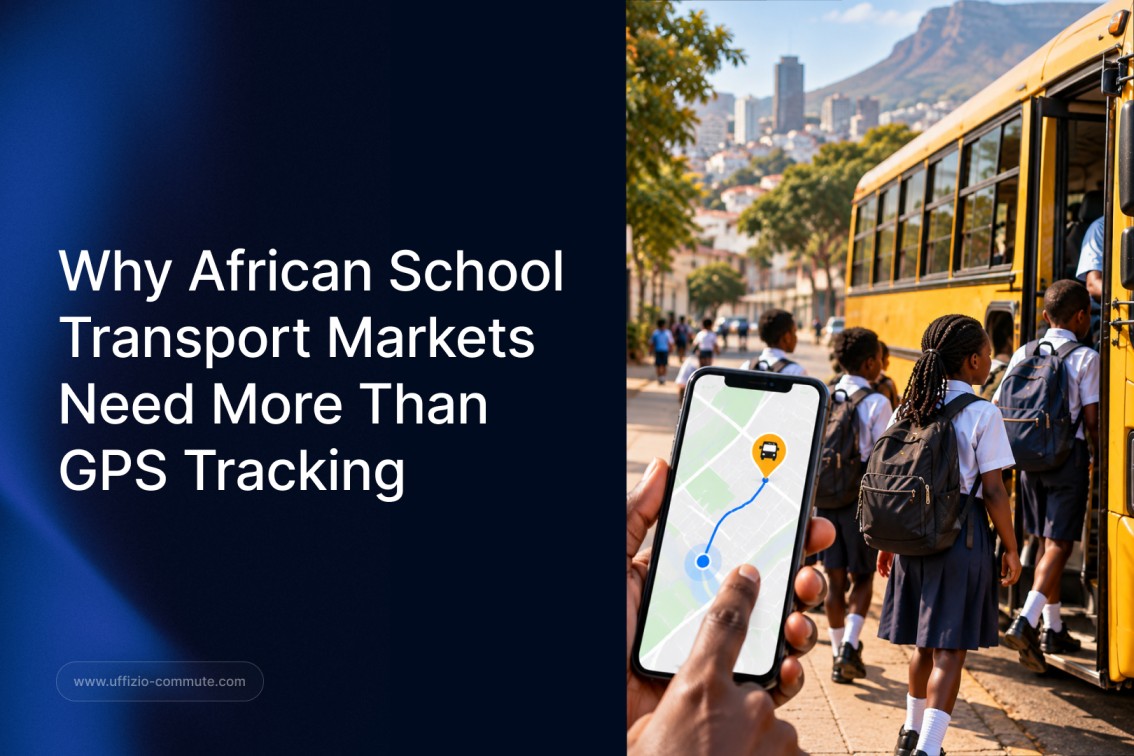
Live School Bus Tracking remains one of the most important requirements in modern school transportation.
Parents want to know where their children’s buses are. Schools want better visibility into vehicle movement, while transport managers need to monitor trips throughout the day.
However, live tracking becomes more useful when connected with other transport management features.
For example:
- Parents can check bus locations.
- Transport managers can monitor active trips.
- Schools can review vehicle movement.
- Operators can identify route deviations.
- Teams can respond to unexpected delays.
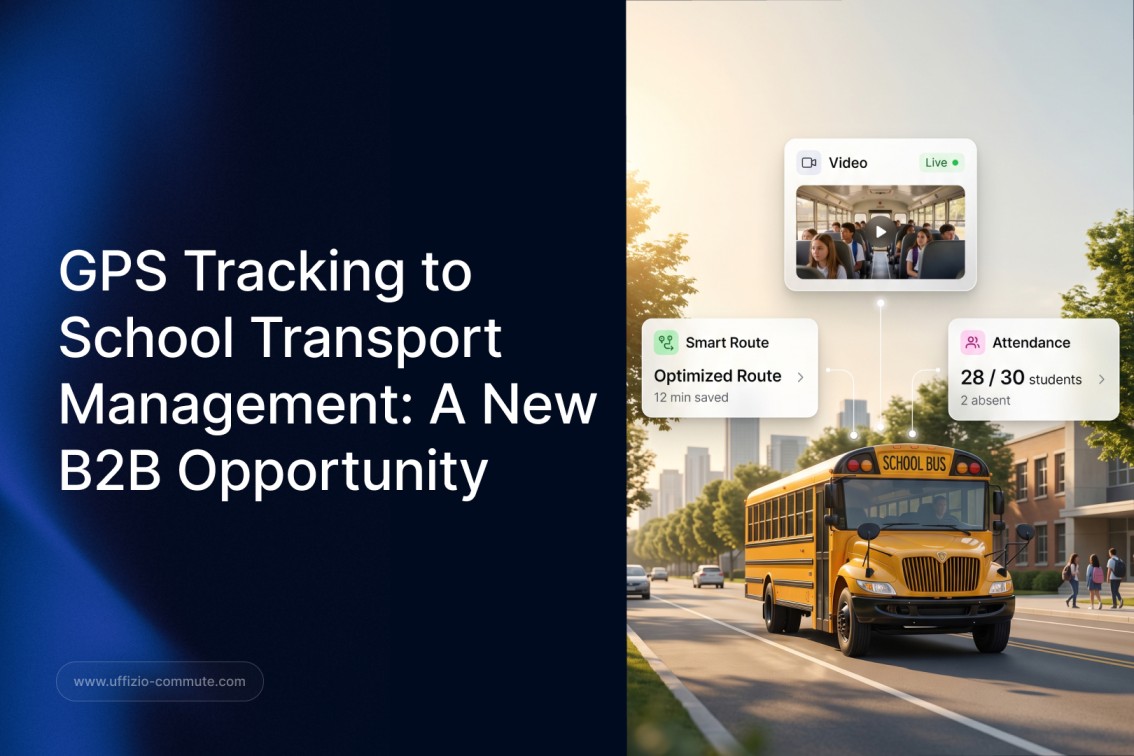
When Live School Bus Tracking works alongside trip management, notifications, and route information, it becomes part of a much more useful transportation system.
The objective is to provide meaningful journey visibility rather than simply displaying vehicle locations.
Student Attendance Needs Better Coordination
One major difference between general fleet management and school transportation is student attendance.
Operators must know which students are expected to travel, whether they have boarded the bus, and whether they have reached their destinations.
When attendance is managed manually, transport teams may need to collect information from drivers, school representatives, or separate records.
This can become difficult when multiple buses and routes operate simultaneously.
A School Transport Management platform can connect student information with daily trips and attendance processes.
Depending on the available platform features, operators can manage attendance records, boarding information, and student travel history more systematically.
This helps create better coordination between schools, drivers, and transport teams.
Parent Communication Has Become an Important Requirement
Parents increasingly expect timely information about school transportation.
They do not want to repeatedly call the school or transport office to ask where the bus is or whether it has reached a particular stop.
Basic GPS Tracking Software may provide vehicle locations, but parent communication requires additional functionality.
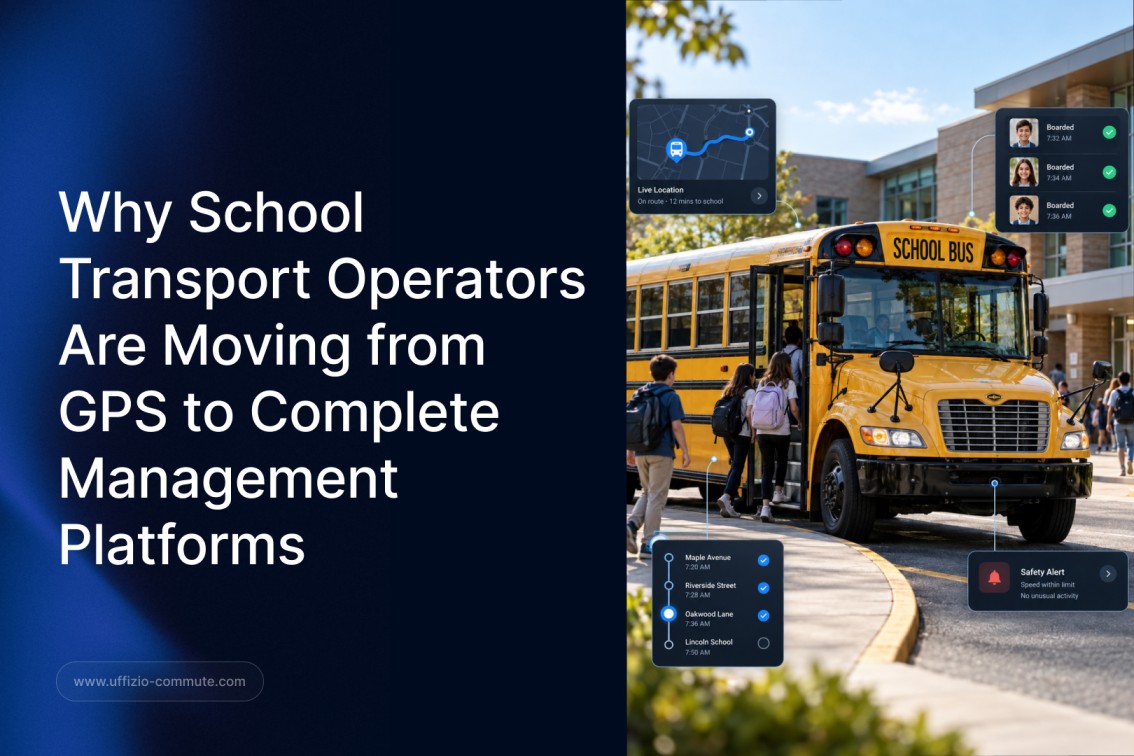
A complete platform can support parent-facing mobile applications, real-time bus visibility, and transport notifications.
For example, parents may receive updates about:
- Bus arrival information
- Trip start notifications
- Route delays
- Pickup and drop-off updates
- Important transport announcements
These features can reduce repetitive communication and provide parents with a more convenient experience.
For School Transport Operators, better communication can also help build stronger relationships with schools and families.
Route Management Becomes Easier with Connected Data
School transport routes change regularly.
New students join, pickup locations change, roads become congested, and schools may introduce additional routes.
Managing these changes manually can consume considerable time.
Complete School Transport Management platforms can help operators organize routes, stops, vehicles, and drivers from a centralized system.
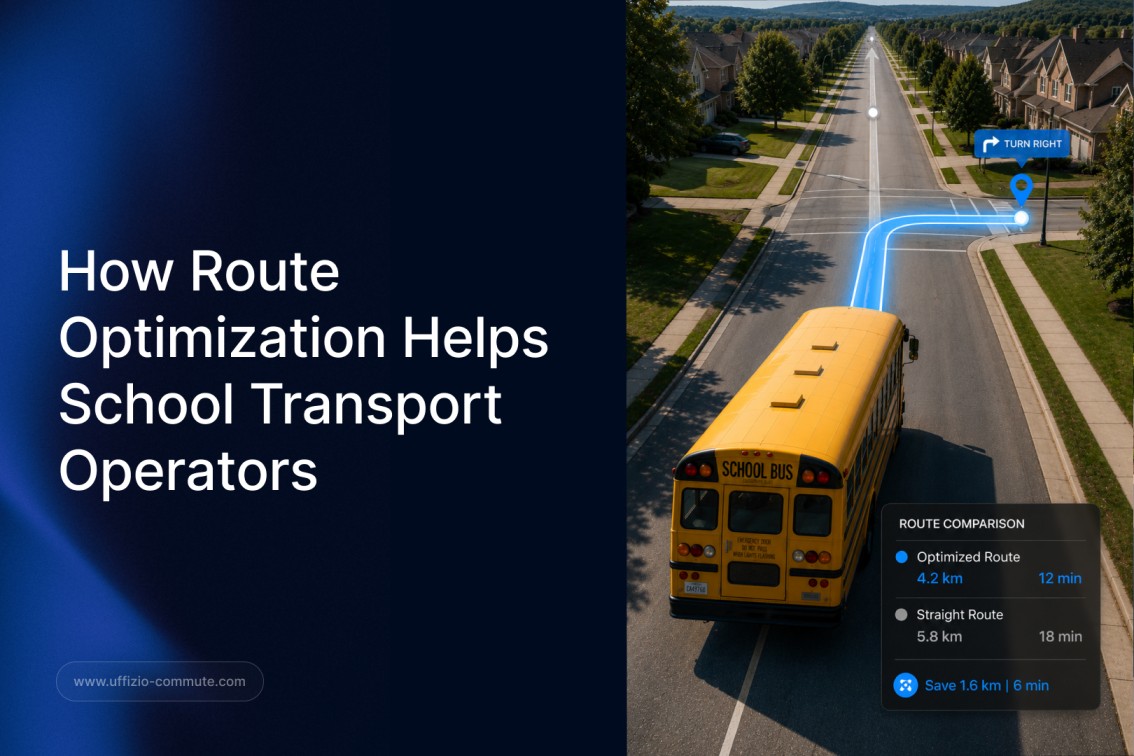
When route management is connected with GPS Tracking Software, operators can also compare planned routes with actual vehicle movement.
This can help identify:
- Unnecessary route overlaps
- Repeated delays
- Inefficient travel patterns
- Vehicle utilization issues
- Opportunities to improve route planning
The combination of route management and Live School Bus Tracking gives operators better visibility into both planned and actual transportation activities.
Manual Reporting Creates Unnecessary Work
As school transport operations grow, reporting becomes increasingly important.
Operators may need to review trip histories, vehicle activity, driver performance, attendance records, and route information.
When data is scattered across different systems, preparing reports can become time-consuming.
A complete School Transport Management platform can bring relevant operational information into one environment.
Transport managers can use available dashboards and reports to understand daily activity and identify areas that require attention.
This can support more informed decisions about fleet operations, route performance, and resource utilization.
Why This Shift Matters in Ghana, Nigeria, Tanzania, Kenya, and Indonesia
School transportation requirements vary across different markets, but the need for better operational visibility is common.
In Ghana, school transport providers can benefit from connected systems that help coordinate buses, routes, and daily journeys.
In Nigeria, operators managing transportation across multiple schools or locations may need better tools to organize growing fleets and improve communication.
In Tanzania, centralized transport management can help operators reduce dependency on disconnected manual processes.
In Kenya, technology providers and school transport businesses can explore solutions that combine GPS tracking with student and route management.
In Indonesia, growing transportation requirements create opportunities for digital platforms that support better fleet visibility and operational coordination.
These markets have different infrastructure, connectivity, and business requirements. Therefore, operators should evaluate solutions based on their fleet size, local operating conditions, and customer expectations.
The common opportunity is to move from isolated tracking tools toward more connected transportation operations.
Complete Platforms Create More Value for Transport Businesses
For School Transport Operators, technology should solve real operational problems.
A tracking-only solution may help answer where vehicles are located, but a complete platform can support several connected activities.
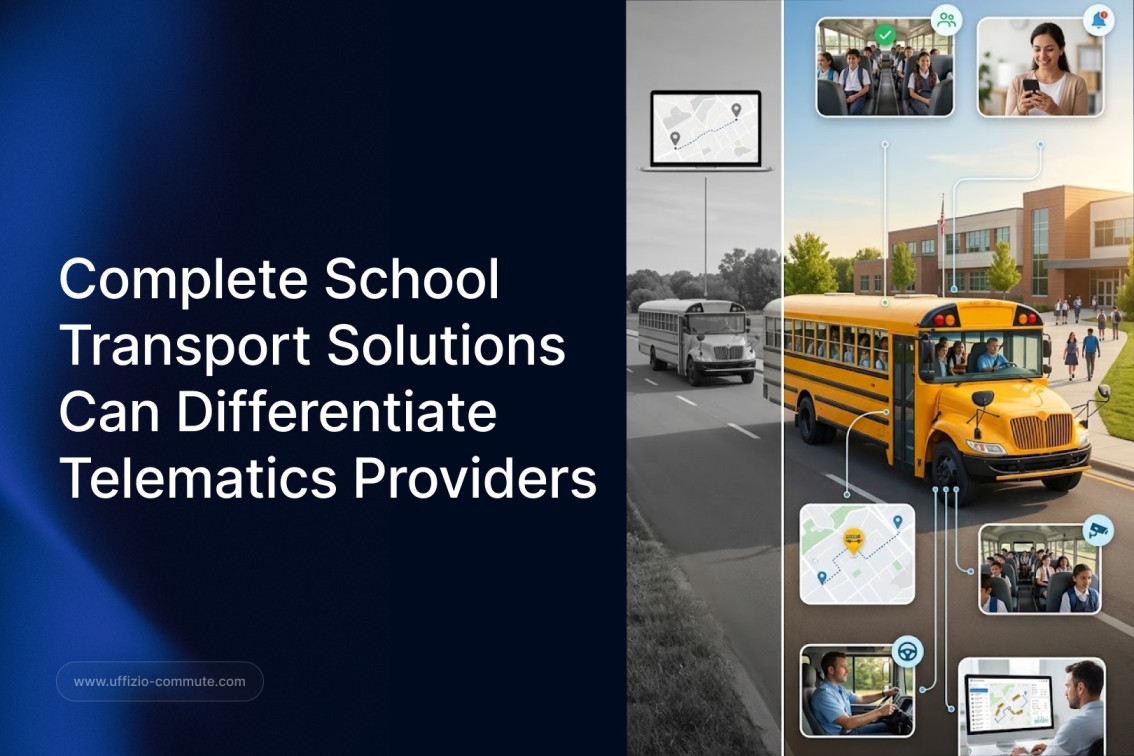
A comprehensive School Transport Management solution may include:
- GPS vehicle tracking
- Live School Bus Tracking
- Student attendance management
- Parent mobile applications
- Driver applications
- Route and trip management
- Notifications and alerts
- Vehicle monitoring
- Transport dashboards
- Reports and analytics
The exact features available depend on the software provider.
The advantage of an integrated platform is that operators can manage multiple transport activities without depending entirely on separate tools.
This can make daily operations easier to coordinate as the fleet grows.
What Should Operators Consider When Choosing a Platform?
Moving beyond GPS tracking is an important decision. Operators should evaluate whether a platform can support their current requirements and future growth.
Some important considerations include:
Scalability: Can the platform support additional buses, routes, and schools as operations expand?
Real-Time Visibility: Does it provide reliable Live School Bus Tracking?
Student Management: Can operators manage student information and attendance?
Parent Experience: Does it offer convenient communication and mobile access?
Route Management: Can teams organize routes, stops, and trips efficiently?
Reporting: Are useful operational reports and dashboards available?
Hardware Compatibility: Can the platform work with the GPS devices already being used?
User Experience: Can drivers, parents, and transport managers easily use their respective applications?
Evaluating these areas can help operators select a platform that provides more than basic vehicle monitoring.
The Future of School Transport Is Connected Management
The school transportation industry is gradually moving toward more connected digital operations.
GPS tracking remains essential, but operators increasingly need technology that connects vehicle movement with students, drivers, routes, parents, and operational information.
This is where complete School Transport Management platforms create value.
Instead of using GPS Tracking Software as an isolated tool, operators can use it as the foundation of a broader transportation ecosystem.
Live School Bus Tracking provides real-time visibility, while attendance, route management, communication, and reporting help organize the complete operation.
For growing School Transport Operators, this approach can support better coordination and make it easier to manage increasing operational demands.

خاتمة
School transportation has become more complex than simply monitoring bus locations.
As fleets grow and customer expectations change, operators need better ways to manage students, drivers, routes, attendance, communication, and daily trips.
Traditional GPS Tracking Software continues to provide an important foundation, but complete School Transport Management platforms extend its value.
By combining GPS tracking, Live School Bus Tracking, student attendance, route management, parent communication, and reporting, operators can create more connected and organized transportation operations.
For School Transport Operators in Ghana, Nigeria, Tanzania, Kenya, and Indonesia, moving beyond basic GPS tracking can be an important step toward building scalable and technology-driven transport services.